Chicago Fed President: "If Inflation Persists, Rate Cut Delayed Until After 2026"
Highlighting Oil Price Surge Due to Iran War

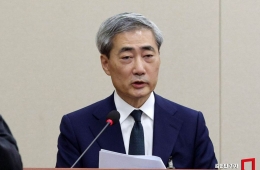
Austan Goolsbee, President of the Federal Reserve Bank of Chicago, stated on April 14 (local time) that "if we do not see a decline in inflation and it continues to remain at a high level, an interest rate cut will be pushed back until after 2026."
On this day, President Goolsbee attended the Semaphore World Economy Conference and remarked that prior to the war between the United States and Iran, he thought inflation stemming from mutual tariffs would ease, allowing the Federal Reserve (Fed) to lower the benchmark interest rate. However, he explained, circumstances have changed.
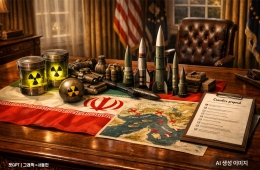
The surge in international oil prices due to the war in Iran has driven up short-term inflation, which is interpreted as making it difficult to cut interest rates. If high oil prices persist for an extended period, they could push up inflation expectations. Rising inflation expectations, in turn, can affect actual prices.
Hot Picks Today
 "Six Months After 'Mom's Touch Troublesome Woma...
- Popcorn Container Craze at Theaters Sparks Sell-Out Frenzy, Emerges as New Reven...
- "With This Certificate, Even Those in Their 60s Can Get Hired and Earn 3.69 Mill...
- When His Father Suddenly Collapsed Before His Eyes... 13-Year-Old Son Preserves ...
- Female Game Caster Makes Bold Move After Criticism Over "Short Skirt" on Broadca...
Previously, President Goolsbee had publicly expressed concerns about inflation driven by international oil prices. On April 6, he described the current price situation as being at a "warning" level and said that inflationary pressures remain.
© The Asia Business Daily(www.asiae.co.kr). All rights reserved.



!["They Said It Was 'Delicious' Milk... Is the 'List of Fake Milk Products in Korea' for Real? [Matjal X-File]"](https://cwcontent.asiae.co.kr/asiaresize/307/2023072413274517286_1690172865.jpg)