Red flags are being raised over food prices around the world. In Japan, rice prices have been soaring since last year, while in the United States, egg prices continue to rise, leading to a shortage of Easter eggs. The rising prices of essential food items are causing growing concern, as they have a direct impact on the wallets of ordinary consumers.
Japanese Rice Prices Double in One Year... Private Imports Surge 20-Fold
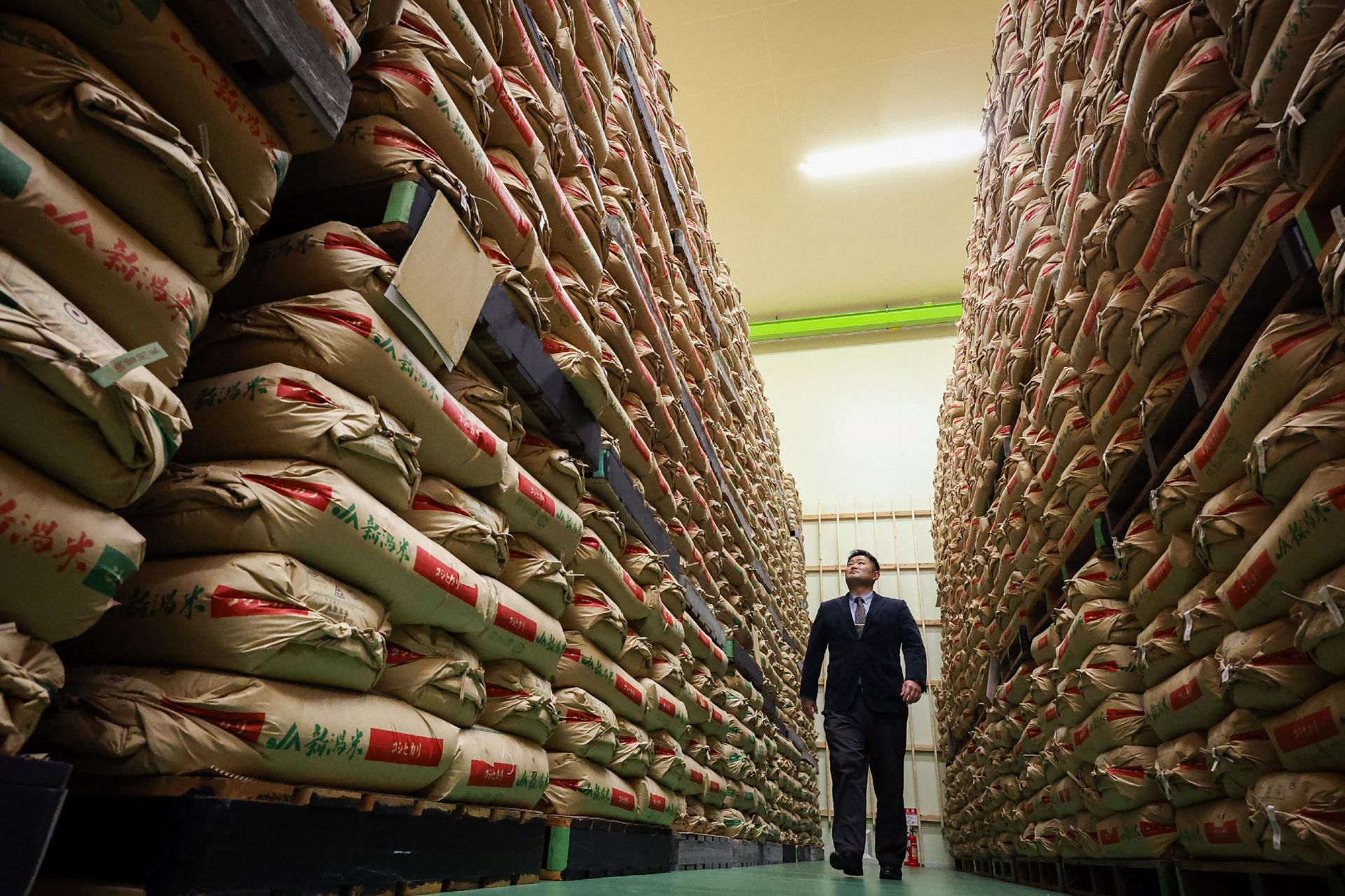
Japan has been experiencing a surge in rice prices since the summer of last year, an event dubbed the "Reiwa Rice Panic" (Reiwa being the current imperial era). This is the first such incident in about 30 years, since the "Heisei Rice Panic" of 1993. According to Japan's Ministry of Internal Affairs and Communications, rice prices in March jumped 92.1% compared to the same month last year, marking the largest increase since comparable statistics began in 1971. Rice prices at supermarkets have risen for 14 consecutive weeks. According to the Ministry of Agriculture, Forestry and Fisheries, the average price for 5 kg of rice from March 31 to April 6 was 4,214 yen (approximately 42,284 won). The Japanese government released a total of 210,000 tons of reserve rice in two rounds last month to expand supply, but prices continue to climb.
Like Korea, rice is a staple food in Japan, and rice tariffs are considered a "sanctuary" in trade. However, with rice prices remaining high, discussions have even arisen in US-Japan tariff negotiations about expanding tariff-free imports of American rice. In Korea, after importing 2 tons of rice last month, there are plans to import an additional 20 tons, the largest volume since relevant statistics began in 1990. According to the Nihon Keizai Shimbun (Nikkei), private rice imports in Japan have soared 20-fold this year. Major trading companies such as Kanematsu and rice wholesaler Shinmei each plan to import about 20,000 tons. Other major trading companies like Itochu, Marubeni, and Sumitomo are also expected to join in. Nikkei points out that imported rice is subject to a tariff of 341 yen per kilogram, but even after paying the tariff, it retails for about 3,000 yen per 5 kg, making it cheaper than Japanese rice, which sells for 4,000 to 5,000 yen.
Japan, Rice Prices Soared Since Last Summer Rice Prices in March Up 92.1% Compared to Last Year Largest Increase Since Statistics Began Private Rice Imports Also Increased 20 Times This Year Distribution Reduced Due to 2023 Heatwave Panic Buying Due to Earthquake Concerns Impact of Visitors to Japan and Speculation Also Pointed Out
The Japanese government has cited several reasons for last year's unusual surge in rice prices: a reduction in rice distribution due to the 2023 heatwave, panic buying triggered by earthquake concerns, and supply chain issues. However, even after the 2024 new rice harvest began to reach the market, rice shortages persist. Some have suggested that the sharp increase in tourists visiting Japan has led to excessive rice consumption, while others point to the involvement of speculative forces.
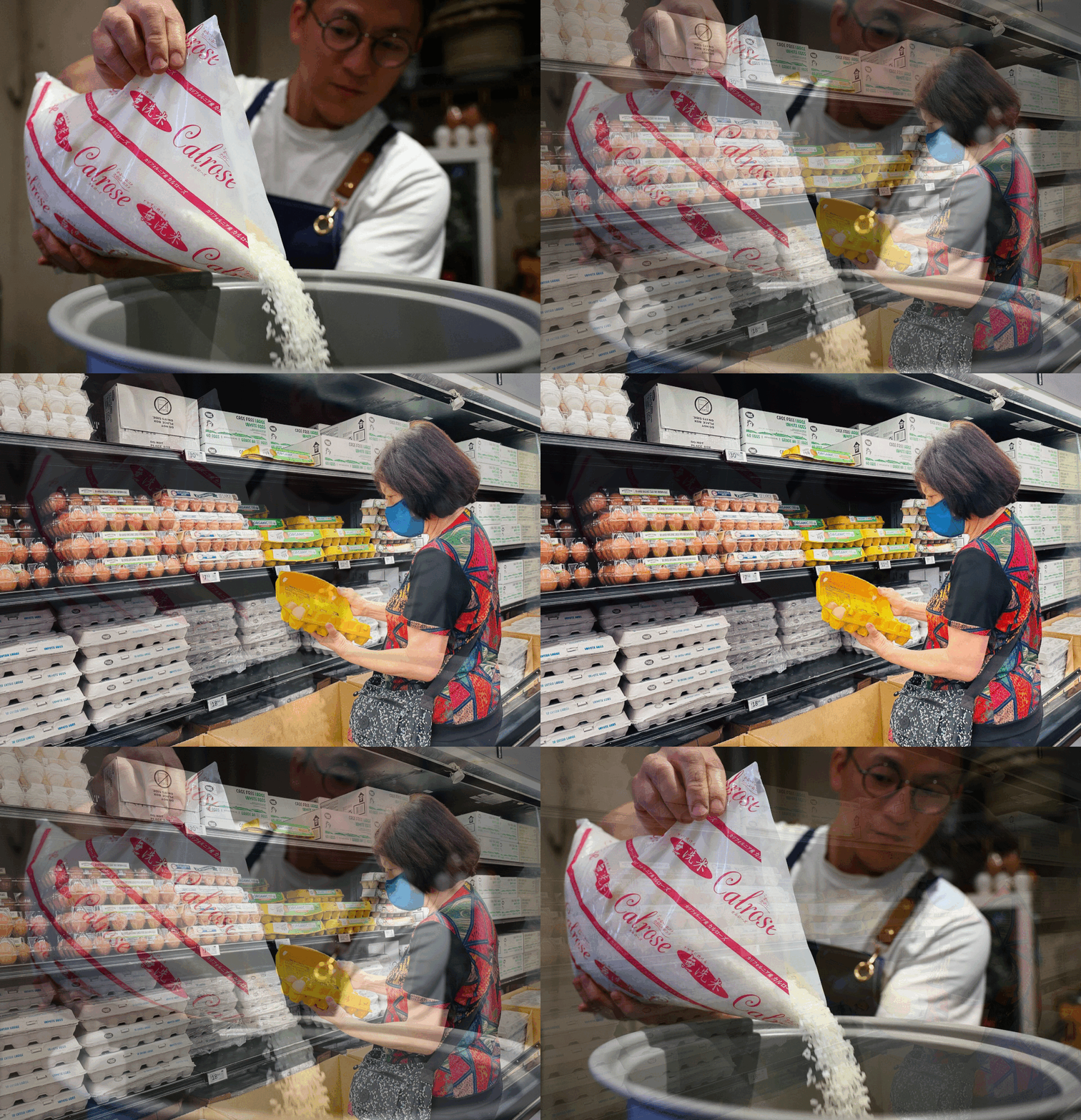
As rice prices continue to rise, Japanese dining habits are changing. Although there is strong pride in the quality of domestic rice and a preference for it, soaring prices and shortages have forced consumers to turn to imported rice. The Bank of Japan (BOJ) has started using Taiwanese rice in its employee cafeterias. For Japanese tourists visiting Korea, buying rice at supermarkets has become a must-do shopping activity. Hirano Arata, who runs a restaurant in Tokyo, told Reuters that he switched from Japanese rice to California Calrose rice due to soaring prices, adding, "Unless the price of Japanese rice drops below that of Calrose, I have no intention of switching back."
Eggs Become "Gold"... Potatoes Replace Eggs at US Easter Due to 'Eggflation'
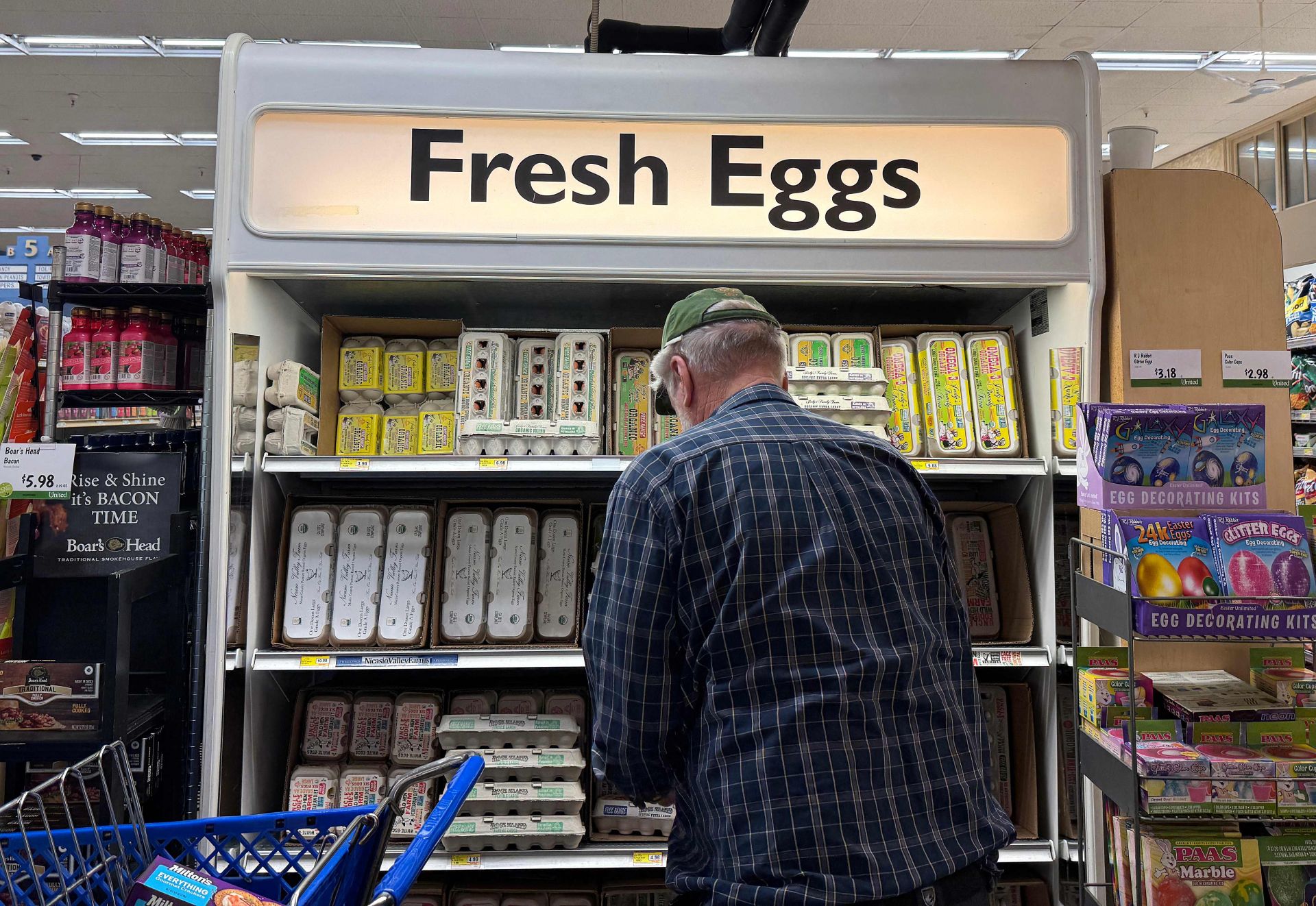
While Japan is struggling with a rice shortage, the United States is suffering from "eggflation" (egg + inflation). Egg prices have soared due to the impact of avian influenza, leading to the disappearance of Easter eggs. As a result, people have started decorating potatoes or marshmallows instead of eggs.
According to the US Bureau of Labor Statistics, the price of a dozen eggs last month reached $6.227 (about 8,964 won), an all-time high and double the price from a year ago. The US Department of Agriculture predicts that egg prices, which surged 65% last year, will rise another 41% this year. At one point, people even lined up before stores opened to buy eggs, and some retailers imposed per-person purchase limits.
This is largely due to the spread of highly pathogenic avian influenza. According to a Bloomberg analysis of World Organisation for Animal Health (WOAH) reports, there have been 40 million cases of poultry deaths related to avian influenza on US farms this year alone, the highest quarterly figure since 2015. Since 2022, repeated outbreaks of avian influenza in US poultry flocks have resulted in the deaths of over 165 million birds to date.
US Struggles with 'Eggflation' Last month, a dozen eggs cost $6.227 Doubled compared to last year, reaching an all-time high Up 65% last year, expected to rise 41% this year Significant impact from avian influenza spread 40 million poultry deaths this year "Recovery will take 9 months to 1 year"
The surge in egg prices is expected to continue for some time. Emily Metz, president of the American Egg Board, said, "It will take nine months to a year for the industry to fully recover."
The US government is attempting to alleviate the crisis by importing eggs. Last month, the state of Georgia imported 20 tons of eggs from a farm in Korea.
As egg prices remain high, more people are raising chicks themselves. According to the 2025 industry report released last month by the American Pet Products Association, about 11 million households are raising chickens in their backyards, a 28% increase compared to 2023. Egg smuggling is also rampant in southern border regions adjacent to Mexico. According to the US Customs and Border Protection (CBP), the number of egg smuggling cases detected nationwide has increased by 36% since the start of this fiscal year. This is because the average price of a dozen eggs in Mexico is around $2, just one-third of the US price.
Global Food Security Under Threat... Vulnerability to Tariffs
It is difficult to dismiss the surge in food prices as an isolated phenomenon limited to the United States and Japan. Climate change is causing food shortages in many parts of the world. According to the UK Department for Environment, Food and Rural Affairs (DEFRA), a sharp increase in rainfall due to climate change led to a significant drop in major crop yields in the UK last year: wheat yields fell by 21%, winter barley by 26%, and rapeseed by 32% compared to the previous year. The Guardian reported that extreme heat in Latin America in 2023 caused Argentina's wheat production to fall 30% below the five-year average.
In the short term, the direction of tariff policies under the Trump administration is also a concern. If a trade war spreads globally, it will have a significant impact on food prices. Unlike industrial goods, which can be stockpiled in warehouses, fresh foods have short storage periods and are more vulnerable to tariff effects. According to the Yale Budget Research Institute, in the case of the United States, if the tariffs announced by President Trump on April 2 are added to existing tariffs, fresh produce prices would rise by 4% and overall food prices by 2.8%. However, some foods are even more vulnerable to tariffs. The United States imports 99% of its coffee. While a rise in egg prices, which only 10% of Americans consume daily, caused nationwide turmoil, a rise in coffee prices would have an even greater impact, as 63% of American adults drink coffee daily.
Rising food prices lead to higher inflation, increasing the burden on consumers. For example, in Japan, the 92.1% rise in rice prices in March led to a 7.4% year-on-year increase in food prices and a 3.2% rise in consumer prices. Saito Taro, chief economist at the NLI Research Institute, explained, "Food inflation is a key driver of overall inflation."








![[Culture Interview] "Unifying the Fragmented Music Market... Super Fans Are the Next Competitive Edge"](https://cwcontent.asiae.co.kr/asiaresize/304/2026042817051344090_1777363513.jpg)