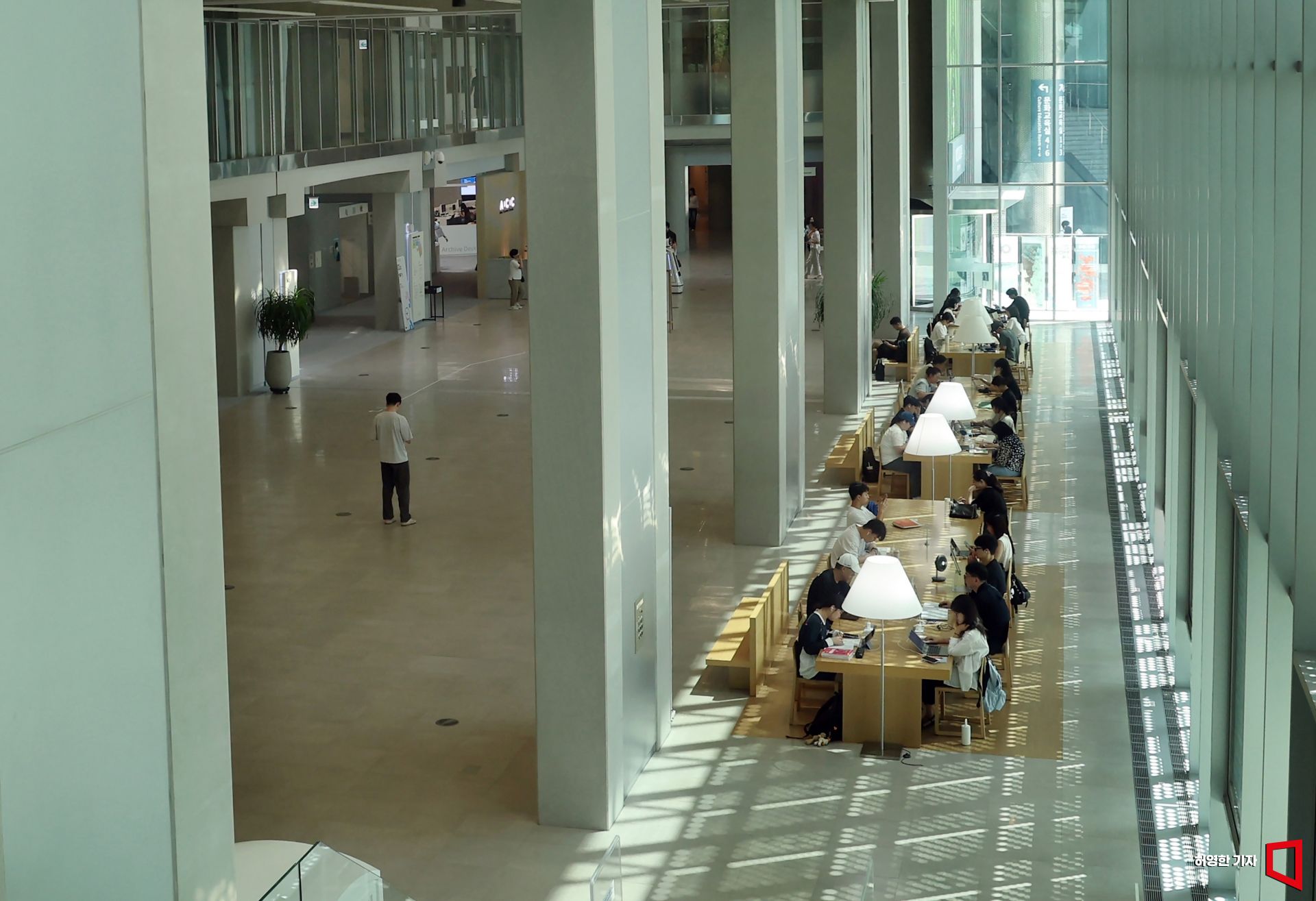


Overview of Yangnimdong 'Penguin Village'
Editor's NoteHave you heard of a "Nojaem City," meaning a boring city? This term refers to cities that lack things to do, see, or enjoy, making them dull for locals and unappealing to visitors from other regions. Since 2019, various cities have been labeled as "Nojaem City" on social networking services (SNS). What started as a meme has even led to local governments in Daejeon, Ulsan, Gwangju, Cheongju, and others launching "Fun City Projects." But are cities branded as "nojaem" truly boring and dull? What makes a city interesting? Let's take a moment to reflect on the places and spaces where we live.
"Busan has the sea, but Gwangju doesn't have such natural scenery. Maybe because of its deep history, there aren't many truly fun things to do."
On the 30th of last month, when asked if she had ever heard Gwangju called a "Nojaem City," an employee at the tourist information center inside Gwangju Songjeong Station replied, "Honestly, I admit that Gwangju is a nojaem city." As someone who promotes the fun side of Gwangju to tourists, she seemed at a loss for words and hesitated for a while before answering. She added, "I make sure to introduce the sites related to the May 18 Democratization Movement and performance venues in detail."
Even locals say, "We don't know where to go or what to do"... Lack of tourism infrastructure such as hotels
There is a meme called "It was there, but now it's gone." Originating from a webtoon, this phrase describes the absurd situation where something that used to exist has disappeared without a trace. If we borrow this meme to summarize Gwangju citizens' responses about "Nojaem City Gwangju," it would be: "It wasn't there, and yes, it still isn't."
Park Yujin (18), whom I met at Dongmyeong-dong Cafe Street, passionately declared, "There is nowhere to hang out in Gwangju." When I simply asked if she had ever heard Gwangju called a nojaem city, she said, "A teacher from Seoul asked me where people go to have fun in Gwangju, so I told him to just go back to Seoul. Gwangju really is a nojaem city. There are so many things missing compared to Seoul," expressing her frustration.
When I asked Gwangju citizens to recommend places to visit, many suggested Damyang or Hwasun, which are about a 30-minute drive from downtown Gwangju, almost as if considering those areas part of Gwangju itself.
Visitors from outside Gwangju also commonly said they "don't know much about Gwangju." Chae Seowon (22), who came to watch a Kia Tigers baseball game, said, "I came just for the game and will leave right after. I don't really know what else there is in Gwangju." Kim (20), a university student waiting for a friend at Gwangju Songjeong Station, said, "My friend attends Chosun University and invited me to visit her place, but I don't know what's famous in Gwangju."
Choi, a taxi driver in his 50s who has lived in Gwangju all his life, also hesitated for a long time when asked to recommend attractions in Gwangju. He said, "There really isn't anything. Even though I've lived in Gwangju my whole life, there is nowhere to go. It's strange," shaking his head in puzzlement.
Citizens pointed out that, despite being a metropolitan city, Gwangju lacks basic infrastructure. The most frequently mentioned was the absence of large complex shopping malls. Nowadays, such malls are considered multi-purpose spaces for shopping, leisure, and experiences, but Gwangju lacks places to meet this demand. While there is Chungjang-ro, which features select shops and designer brands, it is not very large. Jung Hyejun (23), a university student working at a cafe on Donglidan-gil, said, "Chungjang-ro is really small and not that great. If a trendy pop-up store opened in Gwangju, everyone would love it."
Gwangju is also the only metropolitan city in Korea without a five-star hotel. Compared to Seoul (33), Jeju (20), and Busan (10), Gwangju's accommodation infrastructure is lacking. Even when major events are held in Gwangju and visitor numbers increase, there are not enough hotels to accommodate them, so visitors end up staying in Yeosu, Mokpo, and other nearby cities, according to locals. This makes it difficult to support the "hocance" (hotel vacation) trend or to ensure that tourists stay longer in the city.
There are attractions like ACC... But the historical background leads to 'accepting nojaem'
Locals in Gwangju seem to accept the negative connotation of "nojaem city" without resistance. Unlike people in other cities, they do not respond with pride or say, "We're not nojaem." The sentiment of Han, a sense of historical grievance felt in the Honam region, has influenced this attitude. Since the Joseon Dynasty, Gwangju was a place of exile, and despite being a sacred site of the democratization movement, it was marginalized in modern history. This has contributed to a sense of helplessness among Gwangju citizens, leading to the acceptance of the "nojaem" label, according to some analyses.
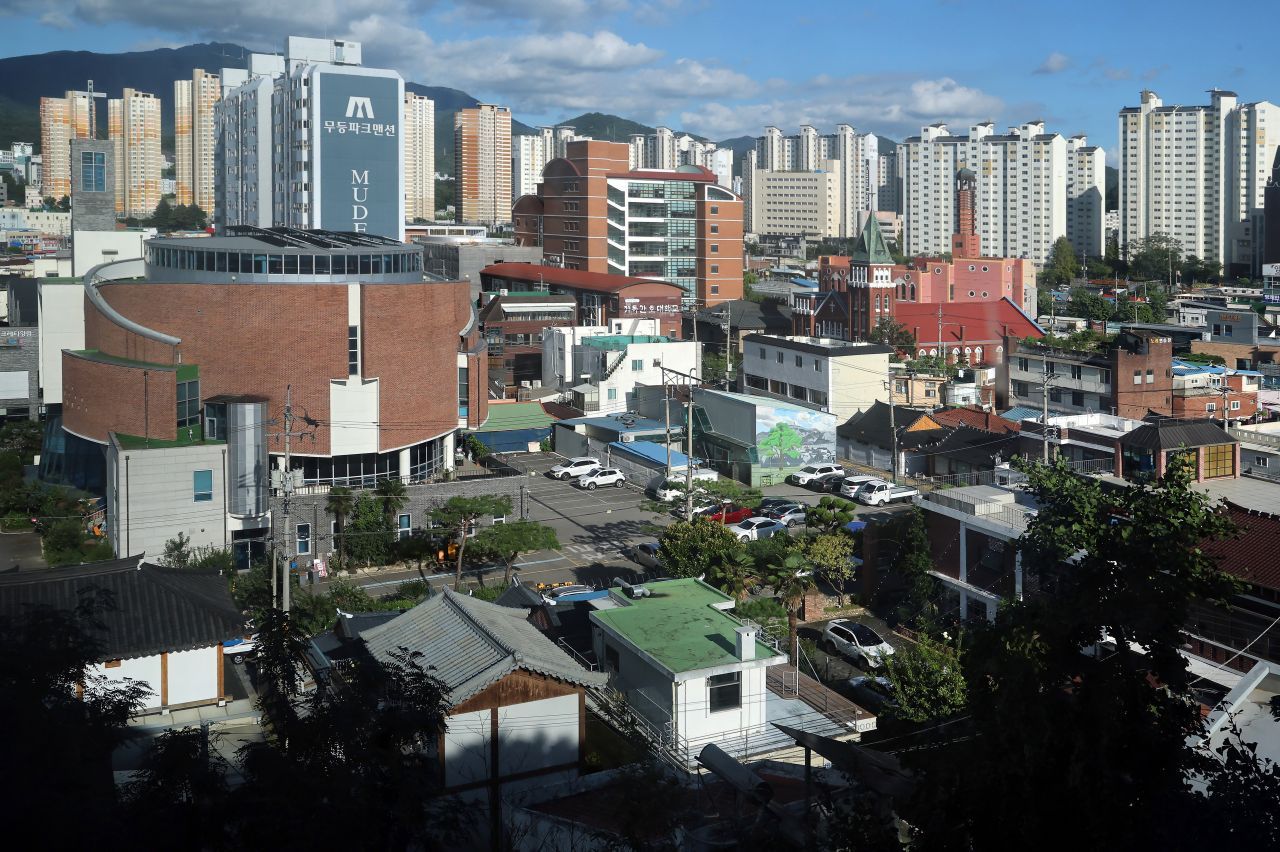
Local experts emphasize that in order for Gwangju to become more interesting, it must first identify what it already has. The lack of a strong image associated with Gwangju is a major weakness that prevents it from becoming a "fun city." In Daejeon, for example, Seongsimdang bakery, and in Ulsan, Taehwagang and whales, serve as key local attractions or images that help tourists choose their destinations. In Gwangju, however, the city has not fully identified its resources, making it difficult even to attempt building a regional brand or identity.
In fact, Gwangju does have attractions that have not received much attention from outsiders. The National Asia Culture Center (ACC) is a prime example. ACC was selected by renowned architect Yoo Hyunjoon as one of the "Top 3 Must-See Buildings in Korea." Located near the former Jeonnam Provincial Office and Jeonil Building, both sites of the May 18 Democratization Movement, it is easily accessible and was designed with a low, rounded shape to blend naturally with the foothills of Mudeungsan Mountain. An ACC information desk staff member said, "The location is great, so many people visit. Maybe because all the fun elements are concentrated at ACC, other places seem less interesting by comparison."

On the day I visited, ACC was hosting the so-called "Lee Kunhee Collection," an exhibition of ceramics by Pablo Picasso collected by the late Lee Kunhee, former chairman of Samsung Electronics. Visitors responded positively. Kim (in her 30s, from Jeonju, Jeonbuk), who came to see the Picasso exhibition with her 7-year-old child, said, "The facilities for kids are well-prepared, so it's a great place to bring young children." Hong Yebin (18), a Gwangju resident, said, "I came to study and spend time with a friend. I know this is considered the best building in Gwangju."
Donglidan-gil is another popular spot among locals. On a weekday afternoon, the street was bustling with members of the MZ generation (Millennials + Generation Z) at the many cafes and restaurants lining the road. With 18 universities in the city, there is a large youth population. True to its reputation as a cafe street, you can spot murals of Ethiopian coffee origins and exotic-style architecture. The area has a unique, charming vibe, reminiscent of a mix between Seongsu-dong, Euljiro, and Itaewon in Seoul. Mo Jongrin, a professor at Yonsei University and "alleyway economist," once praised Dongmyeong-dong and Yangnim-dong as "the best in the country."

Cafe and restaurant street in Dongmyeong-dong, Gwangju, called "Dongridan-gil." Photo by Heo Younghan
원본보기 아이콘Gwangju is not only working to utilize its existing resources, but also striving to create new ones. Currently, the city is making various efforts to transform itself into "Fun Gwangju," such as developing festivals tailored to each season and launching the Yeongsangang Y Project. There are also plans to attract a complex shopping mall by 2028. The city is focusing on bringing in what it calls the "Big 3 Shopping Complexes": The Hyundai Gwangju, Grand Starfield Gwangju, and Gwangju Shinsegae Art & Culture Park.
IndexRousseau City
- A Map of South Korea Drawn by ChatGPT... Daejeon is Sung Sim Dang, Gwangju Only Has the Taegeukgi?
- What Is the 'Nojaem City' Meme That Sparked Both Controversy and Buzz on Social Media?
- When You Think of Ulsan, Only "Industrial City" Comes to Mind... "Is This Just a City People Leave After Earning Money?"
- Asked for Sightseeing Recommendations, Even Locals Hesitate... "Gwangju Has History but No Places to Have Fun"
- Cheongju, Still Stuck in the Neighborhood of 'King of Baking, Kim Takgu' for 14 Years... Why?
- Why Is Lee Chanwon Singing in Ulsan? Over 1,100 Local Festivals, But Still 'No Fun'?
- "If Necessary, Have to Go to Busan or Seoul... Cities Debating Complex Shopping Malls"


![[Report] "A Culinary Destination with a View of Gyeongbokgung"... Kim Dong-sun's High-End Dining Takes Over Gwanghwamun](https://cwcontent.asiae.co.kr/asiaresize/304/2026042114562634571_1776750985.jpg)
![[Gallery Stroll] Red Robe, Black Lines... Danjong Returns with the Face of Wounds](https://cwcontent.asiae.co.kr/asiaresize/304/2026042014183532691_1776662315.jpg)