Hyundai Motor Group Opposes U.S. Section 301 Tariff Review: "No Overlap with Section 232"
"Additional Tariffs Only Raise Costs...
No Benefits for Jobs or Supply Chain Improvements"

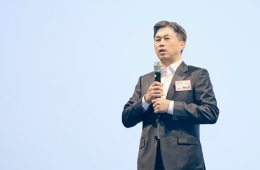
Euisun Chung, Executive Chair of Hyundai Motor Group, was appointed as chairman on the 14th, marking the formalization of the third-generation management system of Hyundai Motor Group. Hyundai Motor Group, including Hyundai Motor Company and Hyundai Mobis, held an extraordinary board meeting on the morning of the day and approved the appointment of the new chairman, Chung. As a result, the new chairman officially became the group leader just 2 years and 1 month after his promotion to Executive Vice Chairman in September 2018, and 7 months after assuming the chairmanship of Hyundai Motor Company's board this March. The photo shows the Hyundai Motor Group headquarters in Seocho-gu, Seoul, on the same day. Photo by Hyunmin Kim kimhyun81@
View original imageHyundai Motor Group has conveyed its position to the Office of the United States Trade Representative (USTR) that overlapping application of tariffs under Section 301 of the U.S. Trade Act should not be permitted in addition to existing tariffs.
According to the USTR on April 20, Hyundai Motor Group stated in a letter submitted by Drew Ferguson, Executive Vice President for External Affairs, that “imposing additional measures on industries such as automobiles and steel, which are already subject to import restrictions under Section 232 of the Trade Expansion Act, would duplicate existing remedies.”
Section 232 of the Trade Expansion Act is a system that allows the U.S. president to impose import restrictions or tariffs if certain imports are deemed to threaten national security. Currently, Korean steel is subject to a 50% tariff, and automobiles and auto parts face a 15% tariff.
Hyundai Motor Group maintains that, under these circumstances, applying additional tariffs under Section 301 of the Trade Act on the grounds of unfair trade by specific countries is an excessive measure. Section 301 allows for retaliatory actions such as imposing tariffs in response to unfair trade practices, and when applied concurrently with Section 232, tariff burdens can increase significantly.
Hot Picks Today
 "Six Months After 'Mom's Touch Troublesome Woma...
- Popcorn Container Craze at Theaters Sparks Sell-Out Frenzy, Emerges as New Reven...
- "With This Certificate, Even Those in Their 60s Can Get Hired and Earn 3.69 Mill...
- Iran: "No Plans Yet for Second Ceasefire Talks...Cannot Trust the U.S."
- Female Game Caster Makes Bold Move After Criticism Over "Short Skirt" on Broadca...
In its letter, Hyundai Motor Group pointed out that “imposing Section 301 tariffs on items already subject to Section 232 will only increase production costs in the United States,” and added, “It will not contribute to expanding local production capacity, creating jobs, or strengthening supply chain resilience.”
© The Asia Business Daily(www.asiae.co.kr). All rights reserved.



!["They Said It Was 'Delicious' Milk... Is the 'List of Fake Milk Products in Korea' for Real? [Matjal X-File]"](https://cwcontent.asiae.co.kr/asiaresize/307/2023072413274517286_1690172865.jpg)