Galux to Present Preclinical Results of AI-Designed Bispecific Antibody Immunotherapy at AACR
Galux, an artificial intelligence (AI) drug development company, announced on April 15 that it will present preclinical research results for its bispecific antibody drug candidate 'PD-1/IL-18v', developed using its proprietary AI-driven protein design technology, at the American Association for Cancer Research (AACR 2026). This study is noteworthy in that it suggests the possibility of overcoming the limitations of existing immuno-oncology therapies.
This research targeted two major challenges: cytokines, which despite their strong anticancer effects have been limited in use due to severe systemic immune-related side effects, and the low response rates of conventional PD-1-based immunotherapies. Galux unveiled its design strategy and preclinical validation results showing that these limitations could be addressed using AI technology.

The bispecific antibody 'PD-1/IL-18v' designed with Galaxy Design is restricted in activity in normal tissues (left) and selectively activated in the tumor microenvironment to induce an antitumor immune response (right). Galaxy
View original imageCytokines are proteins that mediate signaling between immune cells. Among them, interleukin-18 (IL-18) is considered a promising molecule capable of activating immune cells to attack cancer. However, when administered in the body, IL-18 is easily inactivated by the inhibitory protein IL-18BP, and excessive administration raises the risk of toxicity such as systemic inflammation, which has limited its therapeutic application.
Using its proprietary AI protein design platform, 'GaluxDesign', Galux conducted a precise analysis of IL-18's structure and interactions, leading to the development of a redesigned IL-18 variant (IL-18v). This variant is engineered to evade inhibition by IL-18BP and to have reduced activity, so that it hardly activates immune cells on its own. However, when fused with a PD-1 antibody, it selectively activates only PD-1-expressing immune cells within the tumor microenvironment.
The PD-1/IL-18v bispecific antibody, in which this variant is fused to a PD-1 antibody, showed almost no signaling activity in PD-1-negative cells, but demonstrated over 1,000-fold higher activity in PD-1-positive cells, thereby inducing a tumor-specific immune response.
Animal studies also produced positive results. In refractory tumor models that did not respond sufficiently to conventional PD-1 immunotherapy, over 90% tumor reduction was observed, and no significant change in body weight was seen even with repeated dosing, indicating a low risk of systemic toxicity.
This study is significant in that it demonstrates how AI can be used to create therapeutic candidates that overcome the complex limitations of existing biomolecules. Furthermore, it shows that AI-based design can improve not only efficacy and side effect profiles, but also the stability and expressibility of biomolecules, thereby enhancing the overall druggability of candidate molecules.
Hot Picks Today
 "With This Certificate, Even Those in Their 60s...
- Popcorn Container Craze at Theaters Sparks Sell-Out Frenzy, Emerges as New Reven...
- When His Father Suddenly Collapsed Before His Eyes... 13-Year-Old Son Preserves ...
- Female Game Caster Makes Bold Move After Criticism Over "Short Skirt" on Broadca...
- "Quit Office Job to Earn Over 200 Million Won a Year"… Chinese Woman in Her 30s...
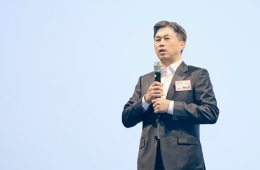
Tae Yong Park, Vice President of Galux, stated, "This research demonstrates the potential to overcome the limitations of existing immuno-oncology therapies by comprehensively optimizing the properties of biomolecules through protein design AI." He added, "Galux possesses not only AI development capabilities, but also the ability to design and validate new drug candidates in-house." He continued, "Based on this, we will continue to expand our differentiated pipeline."
© The Asia Business Daily(www.asiae.co.kr). All rights reserved.



!["They Said It Was 'Delicious' Milk... Is the 'List of Fake Milk Products in Korea' for Real? [Matjal X-File]"](https://cwcontent.asiae.co.kr/asiaresize/307/2023072413274517286_1690172865.jpg)