"By advancing the BMS (Battery Management System) of Hyundai Motor and Kia to detect and diagnose abnormal battery conditions and utilizing this during the critical 'golden time' for firefighting, we will overcome the 'electric vehicle phobia' that has emerged."

Hong Gicheol Executive Director, Battery Performance Development Office, Hyundai Motor Company
원본보기 아이콘At the 2025 Korea Green Mobility Awards, Hong Kicheol, Executive Director of Battery Performance Development at Hyundai Motor, was recognized with the Green Mobility Award as a key figure leading the development of Hyundai Motor and Kia's battery safety diagnostic and monitoring technology.
BMS Enables Battery Status Checks for Up to 60 Hours
Since 2020, Hyundai Motor and Kia have been the first in the world to apply electric vehicle battery safety diagnostic and monitoring technology to mass-produced vehicles. This technology measures voltage, current, temperature, and insulation resistance during charging and parking to detect charging status, battery degradation, and micro-short circuits. When abnormalities are detected, active measures are taken, such as limiting the state of charge or cutting off power. The system also transmits data to a remote support center, which contacts the fire department and sends text alerts to the vehicle owner, providing a comprehensive risk warning system.


Notably, Hyundai Motor and Kia's battery monitoring technology can check battery status for up to 60 hours after parking. In fact, in the case of the Kia EV6 fire that occurred in Geumsan, Chungcheongnam-do last August, the BMS detected the dangerous situation and recorded the event.
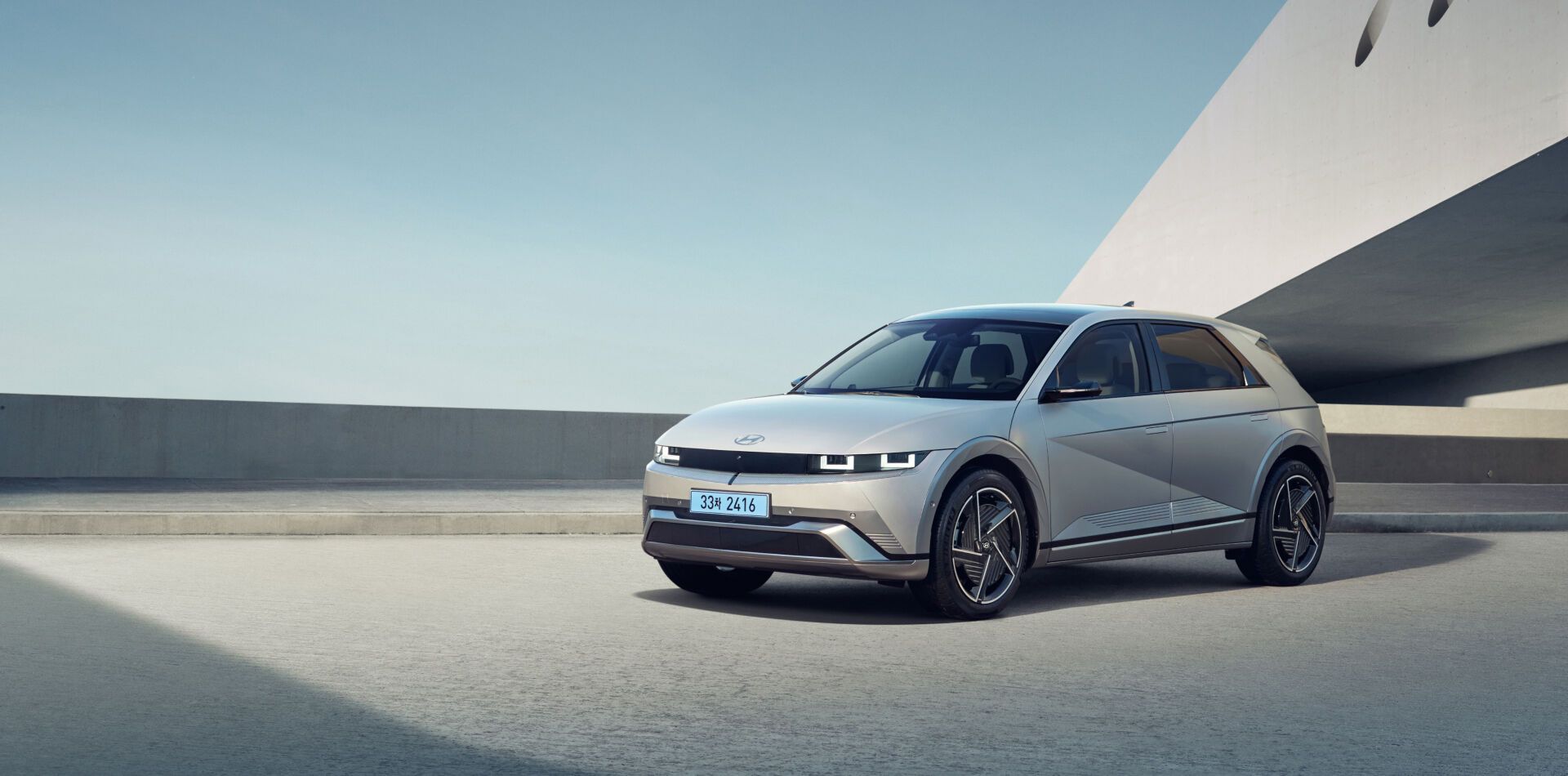
Starting with their first mass-produced electric vehicle, the BlueOn, in 2010, Hyundai Motor and Kia have built an electrified lineup ranging from sedans and SUVs to the premium Genesis brand. The core of an electric vehicle is the battery.
The first electric vehicles released by Hyundai Motor and Kia could only travel about 100 km on a single charge, but after 15 years of development and trial and error, models with ranges exceeding 500 km are now being released. Fast-charging times, which once exceeded two hours, have been reduced to around 10 minutes, and various convenience features have advanced, rapidly expanding the electric vehicle market.
Detecting Degradation to Secure the Firefighting 'Golden Time'
However, the large-scale electric vehicle fire in Cheongna, Incheon last August caused consumer sentiment in the domestic EV market to plummet. At the time, inadequate detection or warning of the fire and the failure of firefighters to make an initial entry were cited as problems.


Executive Director Hong emphasized, "Now, the key questions to overcoming the electric vehicle phobia are: How well can we detect the safety status of batteries? And how quickly can firefighters be dispatched to the scene in the event of a fire?" He added, "The BMS safety diagnostic technology can secure the 'golden time' for firefighting by enabling early detection of fires and timely response by firefighters."
Recently, Hyundai Motor and Kia have launched the 'EV Fire Safety Program,' which provides up to 10 billion KRW in compensation for property damage caused by EV fires, and have expanded and reorganized their EV safety inspection services, striving to increase the adoption of electric vehicles by improving trust in their safety.
Index2025 Green Mobility
- Hyundai Mobis Leads Future Vehicles... Provides Integrated Mobility Solutions
- BMW Leads Electric Vehicle Popularization... Receives 2,125 Chargers and Adds 600 More
- Hyundai Motor and Kia Overcome 'EV Phobia' with BMS
- Kakao Mobility Shifts to Paperless Taxi Payments
- Toyota Korea Unveils 'Bipolar' Battery Innovation for the Environment
- Boldly Racing Toward Eco-Friendliness
- Kumho Tire Leads Eco-Friendly Tire Market by Reducing Fine Dust and CO2
- Renault Korea's 'Grand Koleos' Makes Waves with Cutting-Edge Technology
-

Reporter Woo Sooyoun yesim@asiae.co.kr
-
Edit Kim Boram kbram6457@asiae.co.kr
© The Asia Business Daily(www.asiae.co.kr). All rights reserved.