Kakao Mobility is fulfilling its social responsibility in the environmental sector as a platform by introducing automatic taxi fare payments without paper receipts, Kakao T Bike, and employee volunteer activities, thereby striving for the transition to green mobility.
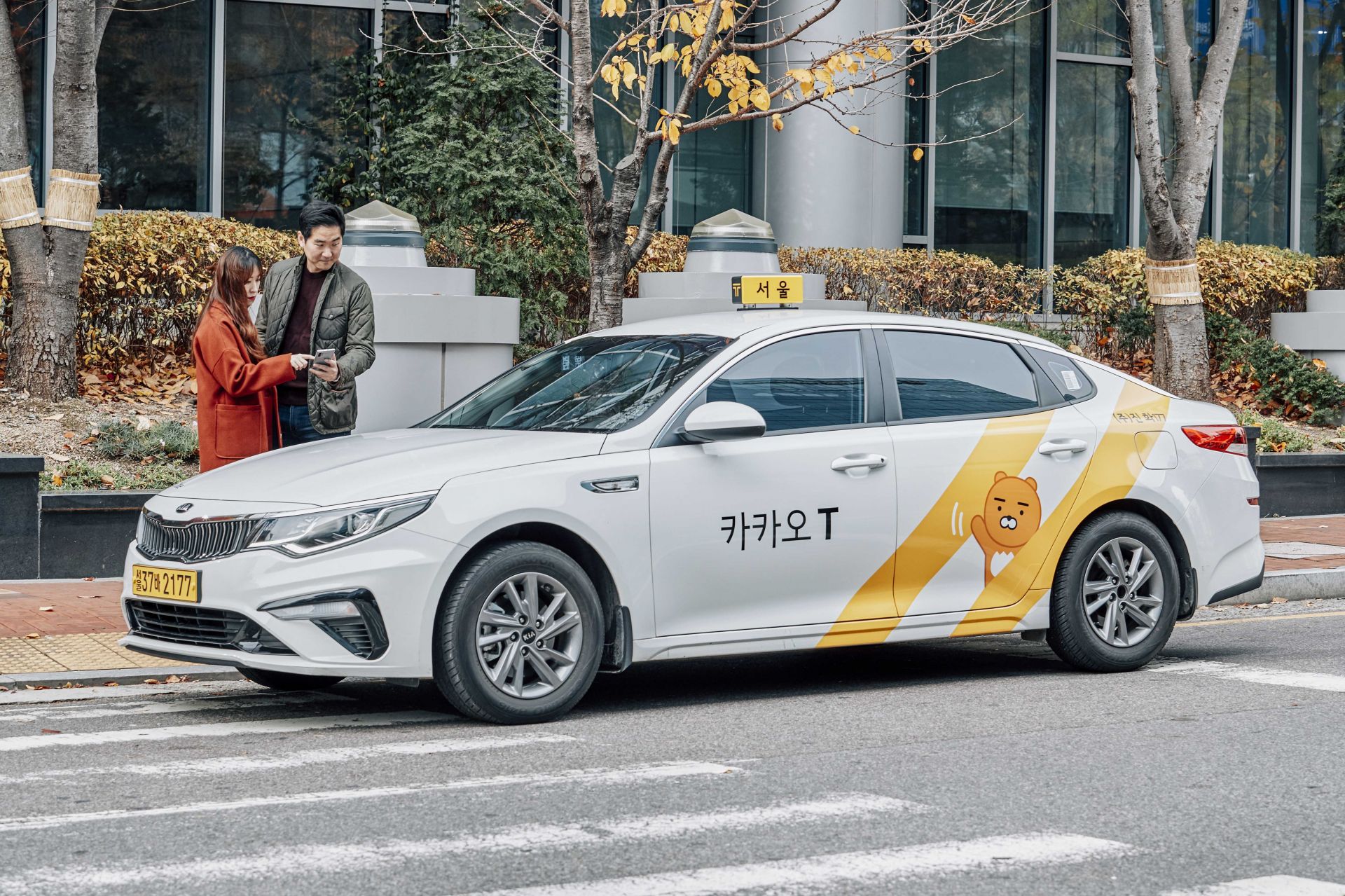
Kakao T Taxi launched the industry's first automatic payment service in October 2018. Since then, usage record inquiries have replaced the role of traditional paper receipts. As a result, Kakao T Taxi passengers no longer need to request paper receipts to check their usage history, which also helps reduce habitual paper waste.
A Kakao Mobility representative explained, "Not using paper receipts helps reduce greenhouse gas emissions and protects forests and trees," adding, "By saving on the cost of purchasing and issuing thermal paper receipts, we also provided economic benefits to taxi drivers and operators."
Kakao T Bike is one of the easiest ways to reduce carbon emissions in daily life. By using electric bicycles instead of internal combustion engine vehicles, one person can reduce carbon emissions by 18.1 kg per month. This is equivalent to the amount of carbon absorbed by about 2.7 pine trees.
Since its launch in February 2019, Kakao T Bike has continued to make a meaningful environmental impact.
As of December 2023, the cumulative usage distance reached 78.66 million kilometers, reducing carbon dioxide emissions by approximately 13,036 tons compared to internal combustion engine vehicles. This is equivalent to the amount of carbon absorbed by about 3.16 million pine trees.
A Kakao Mobility representative stated, "The widespread use of eco-friendly electric bicycles will greatly help address climate change issues," adding, "We plan to further develop as an eco-friendly mobility service that can contribute to responding to climate change."
Since May last year, Kakao Mobility has also launched the 'Give Shuttle Campaign,' which allows people to participate in volunteer work by taking the Kakao T Shuttle. The key feature is that users can easily access and participate in volunteer information through the familiar Kakao T app.

Last year, the campaign operated under five themes: ▲Cultural Heritage Protection ▲Ecological Species Protection ▲Social Enterprise Visits ▲Supporting Rural Areas ▲Supporting Abandoned Animals, attracting a total of 262 volunteers. Notably, 42% of participants experienced volunteering for the first time through Give Shuttle, adding significance to the campaign.
In particular, during the Give Shuttle campaign held in August under the theme of ecological species protection, volunteers were able to focus more on environmental conservation. They attended lectures on the value of volunteering and the importance of biodiversity, and contributed to ecosystem protection by removing Japanese hop vines threatening the habitat of otters?a natural monument?in the area of Yeouisaetgang Ecological Park.

Index2025 Green Mobility
- Hyundai Mobis Leads Future Vehicles... Provides Integrated Mobility Solutions
- BMW Leads Electric Vehicle Popularization... Receives 2,125 Chargers and Adds 600 More
- Hyundai Motor and Kia Overcome 'EV Phobia' with BMS
- Kakao Mobility Shifts to Paperless Taxi Payments
- Toyota Korea Unveils 'Bipolar' Battery Innovation for the Environment
- Boldly Racing Toward Eco-Friendliness
- Kumho Tire Leads Eco-Friendly Tire Market by Reducing Fine Dust and CO2
- Renault Korea's 'Grand Koleos' Makes Waves with Cutting-Edge Technology
-

Reporter Sim NaYoung sny@asiae.co.kr
-
Edit Kwon Sooyoun afineday75@asiae.co.kr
© The Asia Business Daily(www.asiae.co.kr). All rights reserved.