With Surging Oil Prices, Indian Prime Minister Urges Work-from-Home and Calls for Suspension of Overseas Travel and Gold Purchases
Prime Minister Modi Urges Public to Reduce Energy Consumption

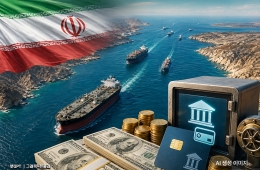
As geopolitical risks from the Middle East have driven a sharp rise in international oil prices, India has launched a comprehensive austerity response. With a high dependence on energy imports, the simultaneous increase in oil prices and growing pressure on foreign currency outflows has prompted the government to call for restraint in consumption across all aspects of daily life. In particular, the public appeal to not only save fuel but also to refrain from overseas travel and gold purchases is seen as an unusual measure, suggesting that the situation is being viewed as a threat to macroeconomic stability rather than just a cyclical economic variable.
"Save Fuel" ... Full-Scale Crisis Response
According to Indian media such as the Times of India (TOI) on the 11th, Prime Minister Narendra Modi, at an event held in New Delhi the previous day, stated, "Now is the time to use fuel with great caution," and urged the public to "use only as much energy as necessary to minimize the shock of the war crisis on the Indian economy." He also called for the resumption of remote work, which was implemented during the COVID-19 pandemic.
This response is interpreted as a measure considering the structure in which rising oil prices immediately lead to increased import costs and a worsening trade balance. In reality, the recent weakening of the rupee has also signaled growing instability in the foreign exchange market.

Double Blow to Inflation and Growth Rate
The rise in oil prices also puts pressure on both inflation and economic growth. The Reserve Bank of India projects that if international oil prices rise by 10%, the growth rate will decline slightly while inflation will increase, resulting in a "double squeeze." Global investment banks are also continuously lowering their forecasts for India's economic growth rate.
Restraining Gold and Overseas Consumption ... All-Out Effort to Defend Foreign Reserves
The most notable aspect of these measures is the request to refrain from gold purchases. Prime Minister Modi directly mentioned, "Please avoid unnecessary purchases of gold jewelry for the next year." In India, gold is not merely a consumer good but a means of saving and a key asset closely linked to weddings and religious events. Given that gold is deeply rooted in the lifestyles and culture of the people, the government's public request for restraint is considered highly unusual.
Hot Picks Today
 Even with High Oil Price Relief Payment, Additional 300,000 Won Per Person to Be Provided... Applications Open from the 18th in This Region
- "Invested 95% in Hynix and Reached 10 Billion Won"... Japanese Investor's Proof Post Goes Viral
- "Why Is the Korean Stock Market Surging?"... Even Italy Is Astonished by the KOSPI Rally
- "You Don't Need to Go to the Gym": The Best Exercises for Lowering Hypertension
- "That Thing Wakes Up Every Night" ... Suspicious Object Covers Rural Village
This background stems from India's high dependence on gold imports. India is the world's second-largest gold importer, and gold is its largest import item after oil. As the recent rise in gold prices has pushed import costs to record levels, the pressure of foreign currency outflows has intensified. Ultimately, curbing gold consumption is seen as a policy aimed at simultaneously reducing the trade deficit and defending the currency.
© The Asia Business Daily(www.asiae.co.kr). All rights reserved.