'It's Not Just Oil That's at Risk... The Scarier 'Sulfur Supply Shock' Spreads to Semiconductors and Batteries'
Moves to Shift Away from Middle Eastern Oil
"But the Key Issue Is 'Declining Sulfur Production'"
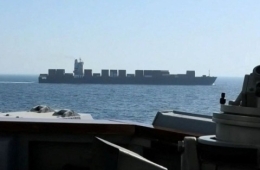
As the Iran war enters its seventh week, supply disruptions of Middle Eastern crude oil are no longer just an "energy issue," but are expanding into a supply chain risk across the entire manufacturing sector. This is because the supply of sulfur—an essential material for industries such as semiconductors, batteries, and fertilizers—could be destabilized.
"Sulfur Used Across Industries... High-Sulfur Middle Eastern Oil Is Essential"
According to Korea Investment & Securities on April 15, Researcher Lee Chung-jae stated the previous day, "The key issue is not the crude oil itself, but the sulfur produced during crude oil refining," adding, "As the move away from Middle Eastern crude oil spreads, not only will the production of diesel and kerosene decrease, but the output of sulfur—a core raw material for modern industries—will also decline."
Currently, 85-90% of global sulfur production comes from the desulfurization process of refining crude oil and natural gas. In particular, Middle Eastern crude oil contains a large proportion of high-sulfur heavy oil.
The biggest concern is that a decline in sulfur production would impact the entire manufacturing sector. Researcher Lee emphasized, "Sulfur is not only a major ingredient in fertilizers and pesticides, but is also essential in the nickel production process—a key raw material for secondary battery cathode materials such as NCM (nickel, cobalt, manganese) and NCA (nickel, cobalt, aluminum)." Additionally, sulfur is required for producing precursors for LFP (lithium iron phosphate) cathode materials, as well as for cleaning and etching semiconductor wafers.

China Bans Sulfuric Acid Exports Following Refinery and Fertilizer Export Restrictions
China's move to weaponize resources is further escalating the risk. As the world's largest sulfur producer, China halted exports of refined oil products immediately after the outbreak of war, and last month suspended fertilizer exports. This month, it has decided to ban sulfuric acid exports as well. On top of supply reductions caused by disruptions in Middle Eastern crude oil, China's export controls are creating a "double squeeze."
It is also difficult to replace Middle Eastern crude oil in the short term. While high-sulfur crude is produced in Canada (WCS), Mexico (Maya), and Venezuela, ramping up output quickly is challenging. In Canada, logistical infrastructure is constrained due to the inland location of its oil fields; Mexico has been experiencing a long-term decline in production; and Venezuela continues to face ongoing political and investment uncertainty. As of 2024, the combined output of these countries is only about 30% of the Middle East's production.
Hot Picks Today
 Goldman Sachs Raises Forecast to 220%: "KOSPI H...
- Popcorn Container Craze at Theaters Sparks Sell-Out Frenzy, Emerges as New Reven...
- "Soaking in the Ganges Will Heal You" Tragedy as 13-Year-Old Boy Dies After 12 H...
- "It Turns Out They Were After My Account" Shocked Reactions... "We're Watching Y...
- "Moms Touch Unruly Woman" Video Spreads... Assaulted Employee and Smashed Regist...
Researcher Lee commented, "Uncertainty over facility utilization rates is increasing for Korean refiners. Petrochemical companies have already seen their operating rates fall to around 50%," adding, "The longer the impact of the Iran war persists, the more likely it is that the crisis will expand beyond the refining and petrochemical industries and spread throughout the entire manufacturing sector."
© The Asia Business Daily(www.asiae.co.kr). All rights reserved.


!["They Said It Was 'Delicious' Milk... Is the 'List of Fake Milk Products in Korea' for Real? [Matjal X-File]"](https://cwcontent.asiae.co.kr/asiaresize/307/2023072413274517286_1690172865.jpg)