The Year of "Golden Gyeongju" Recognized by the World...K-APEC Success Drives Qualitative Leap Across Rural and Fishing Communities
Standing at the Center of Global Diplomacy, Future Industries, Tourism, Rural Development, and Welfare
Post-APEC 10 Major Projects to Open Gyeongju’s "100-Year Growth Platform"
In 2025, Gyeongju shone brighter than ever before. By flawlessly hosting the APEC Summit, regarded as the largest diplomatic event since the unification of the Three Kingdoms, the city stood at the center of global diplomacy and economy. Transformative changes occurred across nearly every sector, including future industries, tourism, urban infrastructure, rural and fishing communities, and welfare, making it worthy of being called the "first year of a new leap forward."
The Gyeongju city government evaluated 2025 as "a pivotal year in which Gyeongju established itself as a global city, beyond just a domestic one." Here, we examine Gyeongju's remarkable changes and achievements by sector. <Editor's Note>

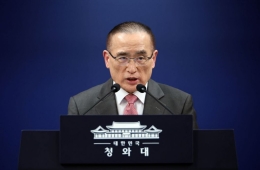
Opening ceremony of the Gyeongju APEC Citizens' University, a citizen participation education program for the successful hosting of the 2025 APEC Summit.
View original image◆The First APEC Success for a Korean Basic Local Government...The World Turns Its Eyes to Gyeongju
In October, Gyeongju became the first basic local government in Korea to host the APEC Summit, placing itself at the heart of the global diplomatic stage.
A total of 1.46 million citizens and provincial residents participated in the petition to host the event. The Prime Minister's Office, the Ministry of Foreign Affairs, other government agencies, and local governments worked together, meticulously checking over 1,000 items on a checklist for 300 days to ensure flawless preparation. As a result, the event was praised for its perfect operation, with not a single safety incident reported.
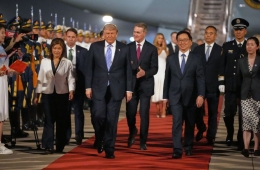
During the summit, state visits by the leaders of the United States and China were realized, and at the APEC CEO Summit, which was attended by more than 1,700 global business leaders, Gyeongju attracted investments totaling 9 billion dollars, firmly establishing the status of "K-APEC."
Notably, six Silla golden crowns were exhibited together for the first time ever, and sites such as Bulguksa Temple and Seokguram Grotto emerged as must-visit destinations for world leaders and heads of international organizations, highlighting the value of K-Heritage to the global community-a major achievement of this APEC Summit.
◆Gyeongju Transformed...From Scenery to Walkways, Accommodation, Lighting, and Roads-A National Event-Level Renewal
With the APEC Summit as a catalyst, Gyeongju elevated the city's overall sophistication to a new level.
The Bomun Tourist Complex underwent renovations of aging accommodations, secured top-tier lodging (PRS), and improved its landscape, taking on the appearance of an international conference city. Throughout the urban area, improvements such as signboard maintenance, nightscape creation, and seasonal flower planting have significantly increased visitor satisfaction.
Urban mobility was greatly enhanced by refurbishing 41.6 kilometers of city roads and intensively managing 171 kilometers of expressways and national highways. World heritage sites and MICE facilities-including Bulguksa Temple, Seokguram Grotto, the Gyeongju National Museum, and HICO-were used as main venues and visit courses during the summit, showcasing Gyeongju's prestige both domestically and internationally.
During APEC, the participation of volunteers, university students, and international students gained nationwide attention, further elevating Gyeongju's city brand through the demonstration of "K-Civic Spirit."
◆Post-APEC: Launching 10 Major Projects...A Blueprint for Gyeongju's Next 100 Years
Gyeongju is ensuring that APEC is not just a one-time event, but a driving force for urban growth by fully launching the "Post-APEC 10 Major Projects."
Key strategies include institutionalizing the World Gyeongju Forum, establishing the APEC Cultural Center, building the Future Square, carrying out a major renovation of the Bomun Complex, and creating symbolic gardens for all 21 APEC member economies. These initiatives aim to transform Gyeongju into an international hub where culture, economy, and technology converge.
Additionally, the creation of the Silla Peace and Unification Garden (with themes such as Future Unification, Hwarang Peace, Silla Royal Capital, and Millennium Peace Forest Trail) and the Southern Korean Peninsula Unification Future Center will complete a unique legacy for Gyeongju, combining the historical significance of the unification of the Three Kingdoms with APEC's message of peace.
◆5.89 Million Visitors in the Fall...35% Increase in Foreign Tourists, Gyeongju Emerges as a Global Tourist City
Between October 1 and November 4, during the peak tourism season before and after APEC, Gyeongju recorded over 5,896,000 visitors.
This represents a 22.9% increase from the previous year. The number of foreign tourists reached more than 206,600, a 35.6% increase, reaffirming Gyeongju's status as a global tourism city.
Major attractions such as Hwangridan-gil, Daereungwon, and Donggung Palace and Wolji Lake were crowded with visitors every day, while large-scale cultural events like the Bomun Lake Multimedia Show, K-POP Festa, and Hanbok Fashion Show left a strong impression on international tourists with "Gyeongju's Night" content.
◆Future Vehicles, AI, SMR, Hydrogen Energy...Gyeongju as a Mecca for Future Industries
Gyeongju also achieved remarkable results in the field of future growth industries. All three major R&D facilities in the e-mobility research complex-the Advanced Materials Forming and Processing Center for Future Vehicles, the Carbon Materials Parts Recycling Center, and the Shared Battery Safety Research Center-were completed, firmly establishing Gyeongju as a research and demonstration hub for the future vehicle industry.
Progress is also being made in building a next-generation nuclear power ecosystem, with the Munmu the Great Science Research Institute, the SMR National Industrial Complex, and the Heavy Water Reactor Decommissioning Technology Institute. In addition, the groundbreaking of the world's largest hydrogen fuel cell power plant is laying the foundation for attracting high-energy-demand industries such as AI data centers and smart factories in the future.
◆From Urban Areas to Rural and Fishing Villages...Gyeongju's Living and Settlement Infrastructure Transformed
This year, Gyeongju has further strengthened the foundation for balanced urban development through innovations in living and settlement infrastructure that span both urban and rural areas.
With the selection for the Rural Agreement and Rural Space Improvement Project, living conditions in rural areas have improved. The operation of the New Agricultural Innovation Town has led to the full-scale introduction of future agricultural technologies, including demonstration and processing of new varieties, smart education, and eco-friendly cultivation.
The Fishing Village New Deal and Fishing Village Vitalization Projects are also progressing, with 10 out of 12 fishing ports-including Gampo Port-undergoing complete renewal. The expansion of marine tourism infrastructure, such as the East Coast National Trail and marine leisure tourism hubs, is also underway. Exports of Gyeongju Isageum agricultural and livestock products to the United States, Hong Kong, and Vietnam (2.98 million dollars) have strengthened the competitiveness of local specialties.
In urban areas, the completion of the East Historic Site Transfer Parking Lot and the creation of pedestrian-friendly streets have greatly improved downtown accessibility. The opening of Heungmu-ro, expansion of Angang Chilpyeong-ro, and the Bomun-Gujeong Road project are completing key transportation corridors connecting living and tourism zones. The redevelopment of the old Gyeongju Station site and the creation of the Gyeongju Station Investment Leading District are also attracting attention as strategic projects to reshape the city's future urban structure.
Green infrastructure projects-including the restoration of Hwangseong Park, the Dongcheon-Hwangseong Millennium Forest Trail, and the Hyeongsan River environmental improvement-are improving the quality of life for residents, making Gyeongju a "livable city."
◆Strengthening Welfare and Living SOC...Changes That Improve Citizens' Quality of Life
Gyeongju has also made meaningful progress in welfare and living social overhead capital (SOC). Efforts include holding an international competition for a complex library, relocating the citizens' sports complex, and expanding life-oriented infrastructure such as the Healing Center for Families with Disabilities, senior welfare housing, and a support center for foreigners.
In addition, customized policies for all generations-including the establishment of an integrated birth support center, expanded support for children's and youth education expenses, operation of a meal support center, and free city bus rides for seniors-have been strengthened. The establishment of a comprehensive care and childcare system to address low birth rates has become a core policy for making Gyeongju a "child-friendly city."
Hot Picks Today
 Even with High Oil Price Relief Payment, Additional 300,000 Won Per Person to Be Provided... Applications Open from the 18th in This Region
- "Invested 95% in Hynix and Reached 10 Billion Won"... Japanese Investor's Proof Post Goes Viral
- "Why Is the Korean Stock Market Surging?"... Even Italy Is Astonished by the KOSPI Rally
- "You Don't Need to Go to the Gym": The Best Exercises for Lowering Hypertension
- "That Thing Wakes Up Every Night" ... Suspicious Object Covers Rural Village
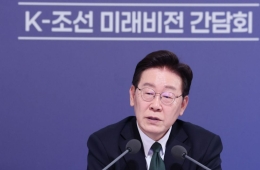
Mayor Joo Nakyoung stated, "With the successful hosting of APEC, Gyeongju has made a definite leap toward becoming a world-class city," adding, "We will build the foundation for the next 100 years of growth centered around the Post-APEC Projects and realize changes that all citizens can truly feel."
© The Asia Business Daily(www.asiae.co.kr). All rights reserved.