"Please Scatter My Ashes at Sea When I Die"... Sanbunjang Legalized from the 24th
Reflecting Public Preference and Space Shortage Issues
Specific Locations for Sanbunjang Permitted
"Expected to Reduce Management Costs and Improve Land Use Efficiency"

From this month, 'Sanbunjang' (散紛葬), the practice of scattering cremated bone ashes into the sea or other locations, will become legally permitted.
The Ministry of Health and Welfare announced on the 14th that the revised "Act on Funeral Services, etc.," which institutionalizes Sanbunjang, will be enforced starting on the 24th, and the related detailed enforcement ordinance amendment was approved at the Cabinet meeting. Until now, Sanbunjang, which involves scattering bone ashes for funeral rites, was neither legal nor illegal. The Funeral Services Act only regulated burial, cremation, and natural burial (such as tree burials), and there were no provisions related to Sanbunjang. Considering public preference for Sanbunjang and the issue of space shortage, the government decided to institutionalize Sanbunjang and amended the Funeral Services Act in January. The revised law includes scattering bone ashes in areas designated by Presidential Decree, such as the ocean, as a form of natural burial.
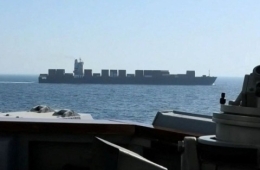
The amended enforcement ordinance specifies that places where Sanbunjang is permitted include "marine areas at least 5 km away from the coastline on land" and "cemeteries, crematoriums, columbariums, and natural burial sites equipped with facilities or places for scattering bone ashes." However, even in marine areas beyond 5 km, it is prohibited in environmental management zones, marine protected areas, and similar locations. When scattering ashes at sea, only bone ashes and fresh flowers may be scattered near the water surface, and it must not interfere with the navigation of other vessels, fishing activities, or the farming of aquatic plants and animals, as stipulated in the enforcement ordinance.
Hot Picks Today
 Goldman Sachs Raises Forecast to 220%: "KOSPI H...
- Popcorn Container Craze at Theaters Sparks Sell-Out Frenzy, Emerges as New Reven...
- "Soaking in the Ganges Will Heal You" Tragedy as 13-Year-Old Boy Dies After 12 H...
- "It Turns Out They Were After My Account" Shocked Reactions... "We're Watching Y...
- "Moms Touch Unruly Woman" Video Spreads... Assaulted Employee and Smashed Regist...
Im Eum-gi, Director of Elderly Policy at the Ministry of Health and Welfare, stated, "The introduction of the Sanbunjang system is expected to reduce the costs for bereaved families in managing ashes and provide opportunities to use national land more efficiently for future generations." He added, "We will strive for the stable implementation and activation of the system."
© The Asia Business Daily(www.asiae.co.kr). All rights reserved.



!["They Said It Was 'Delicious' Milk... Is the 'List of Fake Milk Products in Korea' for Real? [Matjal X-File]"](https://cwcontent.asiae.co.kr/asiaresize/307/2023072413274517286_1690172865.jpg)