"Shortage of COVID-19 Therapeutics, Prediction Failure... Ministry of Economy and Finance Cuts Budget"
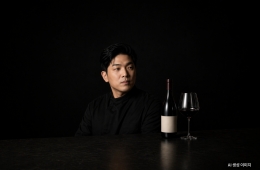
Professor Lee Jae-gap, Department of Infectious Diseases, Hallym University Kangnam Sacred Heart Hospital
Criticizes KDCA's Prediction Failure
If the Outbreak Prolongs, Emergency Medical System Will Also Be Impacted
![[Image source=Yonhap News]](http://www.asiae.co.kr/news/img_view.htm?img=2024081910230688847_1724030586.jpg)
The number of COVID-19 hospitalized patients has reached 1,357, showing the largest scale of spread since the endemic phase. Amid concerns about the shortage of treatments, Professor Lee Jae-gap of the Department of Infectious Diseases at Hallym University Kangnam Sacred Heart Hospital pointed out, "This problem arose due to the Korea Disease Control and Prevention Agency's (KDCA) failure in forecasting and the Ministry of Economy and Finance not approving the budget."
On the 19th, on YTN Radio's 'News Fighting,' Professor Lee addressed the shortage of vaccines and treatments, saying, "Because the outbreak was very mild last winter, the KDCA thought COVID-19 had calmed down," adding, "They failed in their prediction."
However, he explained that the shortage of vaccines and treatments is not solely the responsibility of the KDCA. Professor Lee criticized, "The KDCA requested a large budget for securing treatments, but the Ministry of Economy and Finance did not approve it," and added, "This problem arose because only a very small budget was allocated." He also mentioned that although the KDCA recommended additional vaccinations for high-risk groups aged 65 and older in April, the vaccination rate was only about 20%. Professor Lee added, "The lack of vaccinations in spring also contributed to the summer outbreak."
The government expects the COVID-19 spread to peak around the end of August, after the school vacation and holiday season. The medical community predicts it could continue until after the Chuseok holiday. Professor Lee explained, "During last summer's outbreak, the number of patients slightly decreased in September and October," and added, "There will be a pattern of increase after school starts, then a decrease, followed by another rise during Chuseok," concluding, "I think the current outbreak will continue until around October." He emphasized, "The current level does not require pandemic-level responses, but the challenge is to protect high-risk groups well to prevent severe difficulties."
Concerns are growing that a full-scale medical crisis will begin as the prolonged conflict between medical professionals and the government extends the medical service gap. Severely ill patients should be treated at university hospitals or tertiary general hospitals, but they are being dispersed to secondary hospitals, resulting in inadequate treatment. Professor Lee pointed out that invisible damages are likely occurring due to this situation. He expressed concern, "Since emergency rooms are also short-staffed, if the current outbreak lasts longer, it is expected to significantly impact the emergency medical system."
Hot Picks Today
!["Grandma, This Isn't Made by AI, Right?"... Thought It Was Old-Fashioned, But Now I'm Hooked [World is Z Gold]](https://cwcontent.asiae.co.kr/asiaresize/93/2026042114422434550_1776750143.jpg) "Grandma, This Isn't Made by AI, Right?"... Tho...
"Grandma, This Isn't Made by AI, Right?"... Tho...
- "Guilt-Free Pleasure: A New Menu Sells Every 4 Seconds With Great Taste and No W...
- "This Has Never Happened to Me in Korea"... Gwangjang Market Stall That Charged ...
- "Seniors Take Over the Disco Festival: 'Only 50 and Above Allowed' [Mwonil Issyu...
- "We Can't Hold Out Any Longer": Airlines Reduce Seats, Cut Routes, and Face Bank...
Meanwhile, according to the KDCA, vaccines scheduled to be released around October will target those aged 65 and older. Professor Lee stated, "The government is preparing to provide free vaccinations for those aged 65 and older and workers in vulnerable facilities," and mentioned that the quantity is about 8 million doses.
© The Asia Business Daily(www.asiae.co.kr). All rights reserved.