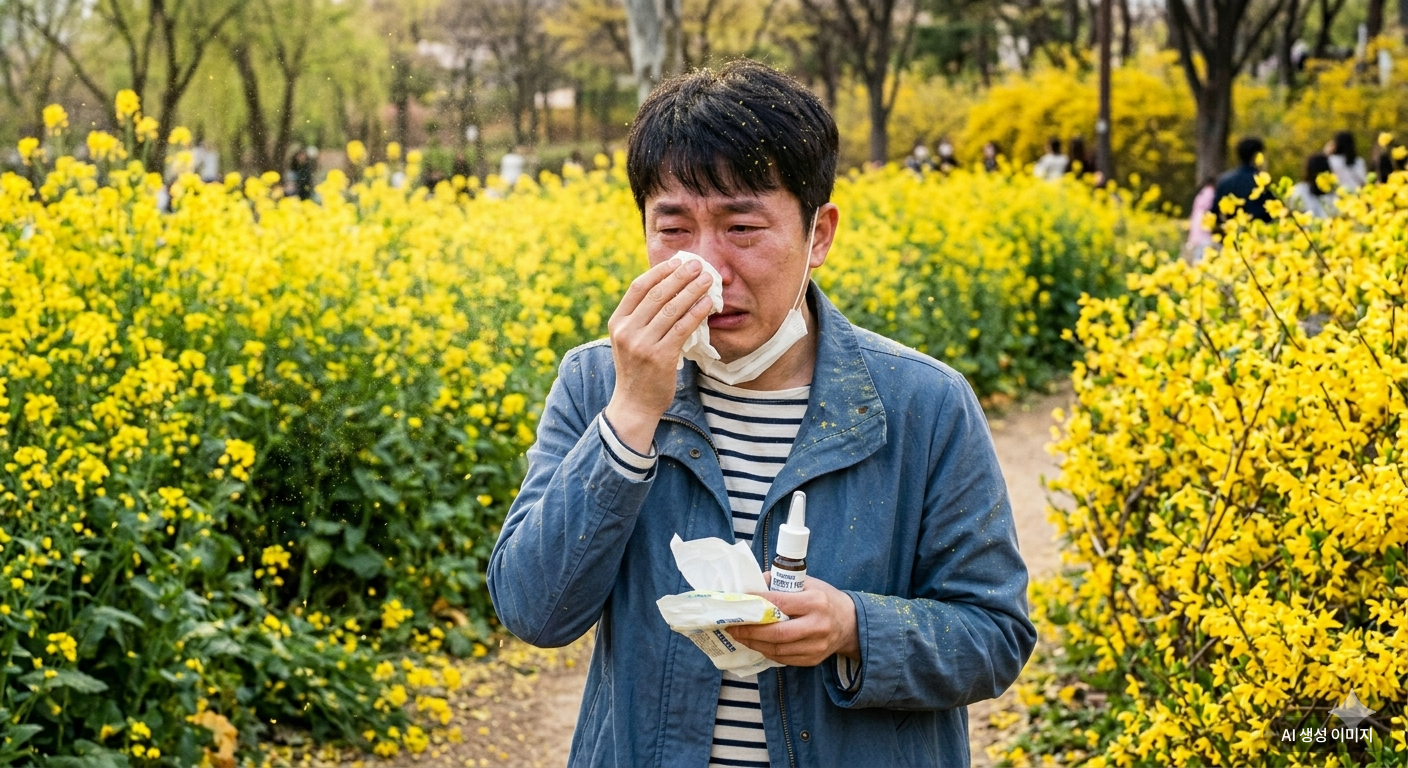
One in five citizens suffers from rhinitis
☞ "Pollen peaks from 6 to 10 AM" Avoid going out during these hours
☞ If childhood rhinitis is neglected, it can even change the "face shape"
☞ Wash bedding with hot water above 55℃
A man in his 60s living in Buk-gu, Ulsan, who recently purchased a new car, finds himself frustrated every time he tries to decide when to wash his car because of the petals and pollen that have been flying around since cherry blossoms fell and spring began in earnest. However, what troubles him even more than the yellow pollen covering his car is the allergic rhinitis that returns every spring.
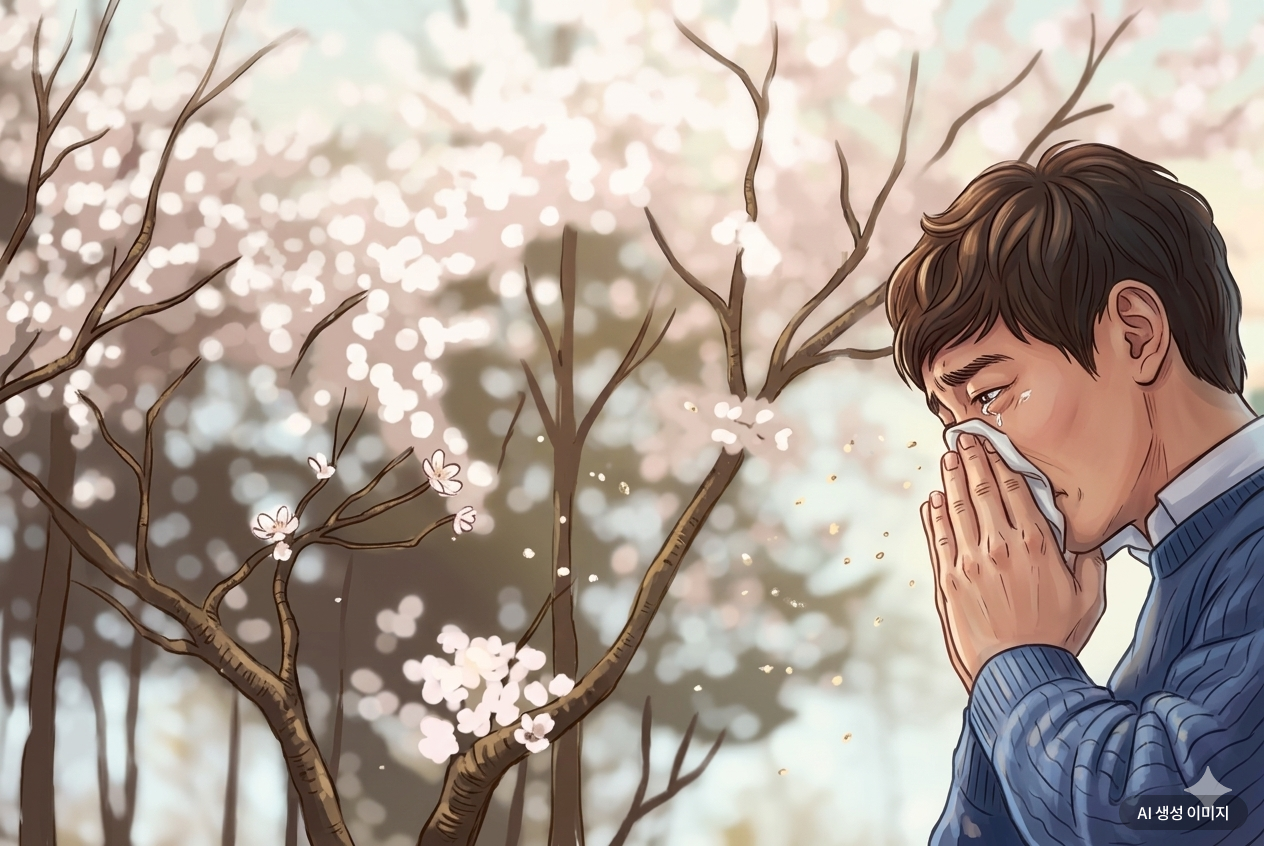
According to statistics from the Health Insurance Review & Assessment Service, the number of patients with allergic rhinitis increased from 5,189,000 in 2020 to 6,010,000 in 2021, and 1 in 5 people visit a hospital for rhinitis, indicating how common the condition is. The incidence of allergic rhinitis has been steadily rising due to persistent environmental pollution and changes in lifestyle habits. Notably, children and adolescents under the age of 19 account for approximately 43.5% of all patients. Among those in their 20s to 60s, women are more affected, while among children and the elderly, men make up a higher proportion.
During spring, coughing and phlegm can temporarily worsen due to pollen or yellow dust. While some might think wearing a mask or using an air purifier is enough, neglecting allergic rhinitis can lead to chronic rhinitis or the development of other conditions. Therefore, anyone experiencing symptoms should seek medical attention from a specialist.
Allergic rhinitis, which often occurs during seasonal transitions, is a condition in which the nasal mucosa is irritated by dust mites, animal hair, pollen, or changes in temperature. Because of symptoms such as nasal congestion and runny nose, it is often mistaken for a cold. However, rhinitis does not cause fever and is characterized by symptoms that are more severe in the morning or evening and last for more than a week. Common symptoms include persistent sneezing, clear nasal discharge, and nasal congestion, and may be accompanied by itching around the eyes or nose, eye redness, reduced sense of smell, and headache.
If not properly treated in a timely manner, allergic rhinitis can lead to complications such as otitis media, sinusitis, conjunctivitis, pharyngolaryngitis, nasal polyps, sleep disorders, and asthma. Particularly in children, chronic nasal congestion can lead to mouth breathing, which may cause malocclusion of the teeth and even alter facial shape, so special caution is needed.


For diagnosis, consultation with a specialist is required, along with nasal endoscopy, skin tests, blood tests, and antibody tests for dust mites and pollen. Unlike a common cold, which generally improves within a week, if symptoms persist for more than two weeks or are concentrated in the morning and evening, it is advisable to seek a diagnosis.
Treatment for allergic rhinitis typically begins with medications such as antihistamines, decongestants, and intranasal steroid sprays. Additionally, immunotherapy involving gradual exposure to small amounts of allergens like dust mites or pollen may be performed. For severe symptoms or cases unresponsive to medications or conservative treatments, surgery to relieve nasal congestion may be considered.
Pollen and powders from trees, commonly known causes of allergic rhinitis, are released most abundantly between 6 and 10 AM. Since the amount decreases after noon, it is advisable to adjust outdoor activities accordingly and keep windows closed when indoors.
After going outside, always change into indoor clothes and wash bedding frequently with water at temperatures above 55°C. Otherwise, it is difficult to eliminate dust mites, making it impossible to alleviate allergy symptoms.
Additionally, check weather forecasts for yellow dust or fine particulate matter, and if going outside is unavoidable, wear a mask and wash your hands frequently. Special attention to personal hygiene is necessary.



![[Why&Next] Korea Focuses on 'Search', China on 'Action'Why Shopping AI Assistants Differ](https://cwcontent.asiae.co.kr/asiaresize/304/2026042210401035836_1776822010.png)
![[PolPolNews] Lee's Approval Rating Hits Post-Inauguration High Again... Democratic Party 48%, People Power Party 20%](https://cwcontent.asiae.co.kr/asiaresize/304/2026042321495438510_1776948594.jpg)