[Weekly Review] Heated Debate Over 종부세 완화... Virtual Currency, Taxed but Not Fully Accepted
![[Image source=Yonhap News]](http://www.asiae.co.kr/news/img_view.htm?img=2021042407154495711_1619216144.jpg)
[Asia Economy Reporter Kim Eun-byeol] After the crushing defeat in the April 7 by-elections, calls for easing real estate policies such as the comprehensive real estate tax have emerged within the ruling party, but the direction remains unclear. Opinions are divided even within the party, drawing criticism that this is further fueling confusion in the real estate market. Deputy Prime Minister and Minister of Strategy and Finance Hong Nam-ki stated, "We firmly warn against the possibility of the real estate market becoming unstable again," and expressed his intention to expedite consultations between the party and the government.
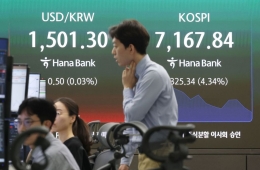
As funds that were concentrated in stocks have sharply shifted to cryptocurrencies, trading volumes have surged dramatically. However, financial authorities have announced that while they will impose taxes on cryptocurrencies, they will not recognize them as financial assets or provide investor protection. This stance is based on the judgment that cryptocurrencies lack substance, and institutionalizing them through legislation could be perceived as government recognition, potentially overheating the market further.
Democratic Party's 'Real Estate Special Committee'... Ongoing Debate Over Comprehensive Real Estate Tax
The Democratic Party's 'Real Estate Special Committee,' established to gauge 'real estate public sentiment,' has officially begun operations. Although the committee agreed to unify the party's stance on real estate taxation, debates over the comprehensive real estate tax continue. Following the by-election defeat, both the ruling party and the government have leaned toward revising the comprehensive real estate tax exemption threshold for single homeowners, which was capped at 900 million KRW based on official property value. However, opinions differ on how and to what extent these changes should be made. Since easing the comprehensive real estate tax could spark controversy over tax cuts for the wealthy, there is also a movement to prioritize deregulation of real estate-related financial regulations that would benefit actual homeowners. The Real Estate Special Committee plans to hold its first meeting on the 27th to discuss various possibilities regarding the direction of real estate policy.
The Ministry of Strategy and Finance, the main government body in charge, has maintained a cautious stance. On the 21st, Deputy Prime Minister Hong Nam-ki chaired a meeting with related ministers to review the real estate market, stating, "It is not desirable for unconfirmed and uncoordinated information to be perceived as finalized and cause market instability." He also pledged to expedite consultations between the party and government regarding issues such as raising the comprehensive real estate tax threshold and other tax reforms.
Deputy Prime Minister Hong explained, "While maintaining the overarching principles and goals of expanding housing supply, eradicating speculative demand, and protecting genuine buyers to stabilize the real estate market and housing security, we will promptly address the issues raised so far to eliminate market uncertainties and proceed with the consultation process between the party and government as quickly as possible."
![[Image source=Yonhap News]](http://www.asiae.co.kr/news/img_view.htm?img=2021042407181295712_1619216292.jpg)
Government Imposes Taxes on Cryptocurrencies but "Will Not Recognize Them as Financial Assets"
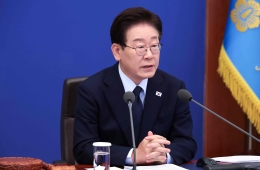
Despite recent overheating in the cryptocurrency market, the Financial Services Commission has clearly stated that it cannot recognize cryptocurrencies as assets. On the 22nd, Financial Services Commission Chairman Eun Sung-soo appeared before the National Assembly's government committee and said, "The government cannot protect everyone who has invested in virtual assets," adding, "If people go down the wrong path, I believe adults need to give them guidance."
Chairman Eun remarked, "We have a different perspective on whether investors should be protected," and compared it to not protecting people who buy and sell paintings. He added, "We want people to be aware that losses from their own investments are inevitable, and we are concerned about the speculative frenzy." He further explained, "The government views virtual assets as highly speculative and lacking intrinsic value. However, illegal funds or terrorist financing are regulated under the Act on Reporting and Using Specified Financial Transaction Information (Special Financial Transactions Act), considering security and international relations."
Hot Picks Today
 "Samsung and Hynix Were Once for the Underachievers"... Hyundai Motor Employee's Lament
- After Topping 8,000 Instead of Hitting 10,000... KOSPI Plunges—When Will It Rebound?
- "They Said It's Impossible to Get—Already Selling for Triple the Price: Crowds Worldwide Line Up for $600 Luxury Watch"
- SK hynix Tops “Best Large Companies to Work For” Ranking Based on Employee Review Data
- "That? It's Already Stashed" Nightlife Scene Crosses the Line [ChwiYak Nation] ③
Since the beginning of the year, prices of cryptocurrencies such as Bitcoin have surged, rapidly expanding the domestic cryptocurrency market. As of the end of February, the number of real-name verified accounts exceeded 2.5 million, with daily trading volumes approaching 20 trillion KRW. The Income Tax Act, effective from January 1 next year, will impose a 20% tax on income exceeding 2.5 million KRW earned from cryptocurrencies and other virtual assets.
© The Asia Business Daily(www.asiae.co.kr). All rights reserved.