[Good Morning Stock Market] Focus on Q3 Earnings... Positive Sentiment Spreads in the Market
[Asia Economy Reporter Oh Joo-yeon] Global stock markets are increasingly focusing on signs of economic recovery rather than the uncertainty surrounding the U.S. presidential election in November, as expectations for third-quarter earnings improvements grow. The domestic stock market is also expected to respond sensitively to corporate earnings amid continued strong export performance.
![[Image source=Yonhap News]](http://www.asiae.co.kr/news/img_view.htm?img=2020100813311732181_1602131477.jpg)
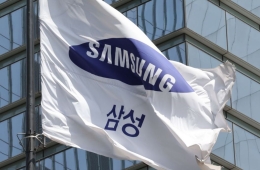
◆ Ji-yoon Kim, Researcher at Daishin Securities = Over the past week, the KOSPI third-quarter operating profit consensus rose 6.0% compared to the previous week (as of the 8th, based on the most recent three-month consensus). Samsung Electronics and LG Electronics, which announced preliminary results last week, posted earnings that exceeded consensus estimates, leading the upward revision of earnings forecasts. Excluding these two stocks, the consensus rose by 0.5% compared to the previous week. Earnings forecasts were revised upward mainly for securities stocks expected to perform well, supported by active stock investments by individual investors.
Considering that both Samsung Electronics and LG Electronics, which opened the third-quarter earnings season, recorded earnings surprises, this is judged to be a favorable start. The recent continuous rise in KOSPI earnings forecasts is also positive, as it increases the likelihood that actual earnings will exceed consensus estimates.
However, a cautionary factor is that the upward revision of earnings consensus is concentrated on Samsung Electronics alone. In the month leading up to Samsung Electronics' earnings announcement, the KOSPI third-quarter operating profit consensus increased by about 1.4 trillion KRW, of which Samsung Electronics accounted for 1.3 trillion KRW, or 93%. If the upward revision of earnings consensus does not spread across all stocks but continues to be concentrated on Samsung Electronics, expectations for earnings may decline after Samsung Electronics' earnings announcement. Therefore, it is necessary to focus on companies with upwardly revised consensus that can maintain expectations for earnings improvement ahead of the full-scale earnings announcements.
◆ Hyo-seok Lee, Researcher at SK Securities = Volatility increased as the possibility of an agreement on economic stimulus measures fluctuated following U.S. President Donald Trump's discharge from the hospital and his tweets, and concerns about the big tech regulation bill proposed by the Democratic Party caused related stocks to fall. However, the actual stock market showed a very solid trend. Not only big tech companies but also representative non-face-to-face (untact) stocks recorded significant weekly gains. Some investors who disagree with the stock price rise dismiss it as a rise driven by 'stimulus expectations' that are unlikely to pass, but it is time to seriously consider the real reasons behind the stock price increase.
Despite concerns that Trump may refuse to concede the election, it is difficult for stock prices to rise solely on expectations of stimulus measures.
The reason SK Securities maintains a positive view of the market is that the economy is recovering, but the likelihood of inflation reaching worrisome levels is low, so governments worldwide are likely to maintain accommodative stances. The fundamental reason why stock prices do not plunge despite the enormous uncertainty of the U.S. presidential election is that 'now is a very good situation for the stock market (Goldilocks),' which must be acknowledged.
◆ Sang-young Seo, Researcher at Kiwoom Securities = In the U.S. stock market, Amazon surged more than 3% ahead of Prime Day (13th-14th) amid high expectations for a sharp increase in sales. Additionally, Mizuho raised its target price from $3,700 to $4,000, citing signals that third-quarter sales will exceed expectations, which also contributed to the rise. Apple continued its upward trend ahead of the new iPhone launch.
Hot Picks Today
 "Samsung and Hynix Were Once for the Underachievers"... Hyundai Motor Employee's Lament
- Samsung Enterprise Labor Union: "We Respect Court’s Injunction Decision... General Strike to Proceed on the 21st as Planned"
- "Was This Delicious Treat Enjoyed Only by Koreans?"... The K-Dessert Captivating Japan
- “Thirty Lettuce Heads Stolen”: Surge in Urban Garden Crop Thefts Prompts Action from Violent Crimes Detectives
- "That? It's Already Stashed" Nightlife Scene Crosses the Line [ChwiYak Nation] ③
Trump mentioned a $1.8 trillion stimulus package, raising expectations for a deal close to the Democrats' $2.2 trillion proposal. The problem is that Trump has taken inconsistent actions, such as halting negotiations and then discussing them again, leading even within the Democratic Party to statements that they cannot trust Trump's announcements. Nevertheless, the market's expectation for stimulus remains high, and it is characterized by a more sensitive reaction to positive news among related developments.
© The Asia Business Daily(www.asiae.co.kr). All rights reserved.