Performance Bonus Disputes Spread Across Industry from Samsung; HD Hyundai Heavy Industries and Kakao Unions Also Make Demands
HD Hyundai Heavy Industries Union Demands at Least 30% of Operating Profit Be Shared
Kakao, Labor and Management Clash Over Performance Bonus Structure
The controversy over performance bonus distribution, which started with the Samsung Electronics labor union, appears to be spreading throughout the industry.
The labor union of HD Hyundai Heavy Industries has called for at least 30% of the company's operating profit to be shared with union members in this year’s wage negotiations. This is the first time the union has specified a concrete percentage of operating profit for performance bonuses.

President Lee Jae-myung is visiting the HD Hyundai Heavy Industries Ulsan Shipyard on the 13th, inspecting the LNG carrier cargo tank facilities. On the left is Jung Ki-sun, Chairman of HD Hyundai. Photo by Yonhap News.
View original imageAccording to industry sources on May 18, the Hyundai Heavy Industries branch of the Korean Metal Workers’ Union is expected to deliver its “2026 Collective Bargaining Integrated Demands” to management later this week.
According to the collective bargaining proposal, the union is demanding: ▲a base salary increase of 149,600 won (excluding 35,000 won for seniority), ▲a 100% increase in bonuses, ▲at least 30% of operating profit to be shared as performance bonuses, and ▲a 2 billion won contribution for the maintenance of resort facilities. In the proposal’s statement of purpose, the union emphasized, “As the shipbuilding industry is labor-intensive, a significant portion of sales and operating profit is generated by the labor of both direct and subcontracted workers,” adding, “Fair sharing of performance must be ensured accordingly.”
Conflicts over performance reward systems are also surfacing in the IT industry. Labor and management at Kakao Corporation are set to undergo mediation procedures at the Gyeonggi Regional Labor Relations Commission at 4:30 p.m. today. A Kakao representative stated, “We will faithfully participate in the labor commission’s mediation process, keep communication channels with the union open at all times, and make every effort to reach an amicable agreement.”

Choi Seungho, chairman of the Samsung Group Super Union Samsung Electronics branch, is attending the second post-adjustment meeting held at the Central Labor Relations Commission in the Government Sejong Complex on the 18th. Photo by Yonhap News Agency
View original imageThe Kakao branch (Crew Union) of the Korean Chemical & Textile & Food Industry Workers' Union filed a mediation application with the Gyeonggi Regional Labor Relations Commission on May 7 regarding conflicts over the performance reward system, with union branches from five Kakao affiliates—Kakao Corporation, Kakao Pay, Kakao Enterprise, DK Techin, and XL Games—participating.
Hot Picks Today
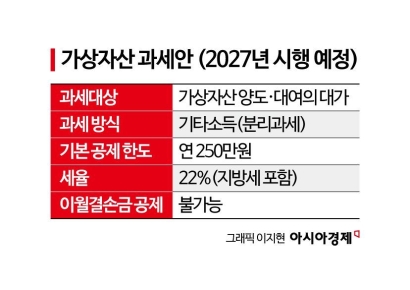 "Stocks Are Not Taxed, but Annual Crypto Gains Over 2.5 Million Won to Be Taxed Next Year... Investors Push Back"
- "Not Jealous of Winning the Lottery"... Entire Village Stunned as 200 Million Won Jackpot of Wild Ginseng Cluster Discovered at Jirisan
- "Jeong Yu-kyung Is a Neighbor"...Itaewon Standalone House with Record 23.2 Billion Won Appraisal Up for Auction [Real Estate AtoZ]
- "How Did an Employee Who Loved Samsung End Up Like This?"... Past Video of Samsung Electronics Union Chairman Resurfaces
- "Even With a 90 Million Won Salary and Bonuses, It Doesn’t Feel Like Much"... A Latecomer Rookie Who Beat 70 to 1 Odds [Scientists Are Disappearing] ③
The Kakao Corporation labor union has, for the first time since its founding, hinted at the possibility of a strike. Labor and management have failed to narrow their differences over the design of compensation programs, including performance bonuses. The union has cited several causes for conflict: an unbalanced system for distributing performance bonuses, unilateral decision-making by management, excessive working hours, insufficient response to allegations of workplace harassment, and coercion of employees to consent to digital forensics. The union refuted claims that the breakdown in negotiations was solely due to their demand for performance bonuses equivalent to 13–15% of operating profit. They maintain that the main issue is not the size of the performance bonus, but rather improvement of the overall compensation system, especially transparency in the criteria for rewards.
© The Asia Business Daily(www.asiae.co.kr). All rights reserved.