Sahakyeongeum Establishes Plan to Improve Routine Audits to Strengthen Preventive Audit Functions
[Asia Economy Reporter Minji Lee] The Private School Teachers' Pension Service announced on the 6th that it has established and is operating a plan to improve routine audits in order to strengthen the preventive audit function.

This is to respond to external environmental changes due to increased demands for strengthening the preventive audit function and internal environmental demands for enhancing the routine audit operation system and auditor expertise. The routine audit improvement tasks consist of four main areas: advancing the routine audit system, strengthening the routine audit inspection system, enhancing auditor expertise, and reinforcing support for responses to the novel coronavirus infection (COVID-19).
The main contents of the improvement tasks include △ strengthening financial execution monitoring through improvement of standards related to routine audits △ eliminating elements of wasteful management by advancing the routine audit checklist △ enhancing compliance inspection through strengthened management of audit-related systems △ introducing multiple review and joint deliberation systems to enhance auditor expertise △ operating a fast track for routine audits and establishing an emergency audit plan to support COVID-19 response.
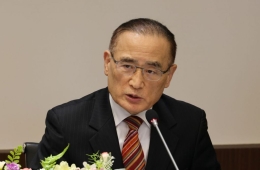
Standing Auditor Bae Oe-sook stated, “As of the end of August, there are 88,000 pension recipients, the pension payment amount in August was 240.2 billion won, and the fund management scale reached 19.8 trillion won, indicating an increase in the scale of financial execution of the private school pension. Through the routine audit improvement plan, we will strengthen the inspection of appropriateness and transparency of financial execution,” and added, “We will do our best to enhance the promptness and legality of COVID-19 response support measures.”
Hot Picks Today
 "Now Our Salaries Are 10 Million Won a Month" Record High... Semiconductor Boom Drives Performance Bonuses at Major Electronic Component Firms
- Experts Already Watching Closely..."Target Price Set at 970,000 Won" Only Upward Momentum Remains [Weekend Money]
- Prime Minister Kim Minseok: "Samsung Electronics Strike Could Cost Up to 1 Trillion Won per Day, 100 Trillion Won Total... Tomorrow's Talks Are the Last Chance" (Comprehensive)
- Did Samsung and SK hynix Rise Too Much?... Foreign Assets Grow Despite Selling [Weekend Money]
- Is It Really Like an Illness? "I Can't Wait to Go Again"—Over 1 Million Visited in Q1, Now 'Busanbyeong' Takes Hold [K-Holic]
Meanwhile, last September, the Private School Teachers' Pension Service established and is operating a ‘Emergency Audit Plan’ for each situation to minimize audit work gaps and ensure continuous operations during emergencies such as the spread of COVID-19.
© The Asia Business Daily(www.asiae.co.kr). All rights reserved.