One Year Since the Relocation of Suncheon-si Jogok-dong New Government Office, Reborn as Resident-First Administration

[Asia Economy Honam Reporting Headquarters Reporter Lee Hyung-kwon] Suncheon City's ‘Jogok-dong Administrative Welfare Center’ has marked one year since relocating its office building to a more accessible location near the ‘Sports Park (formerly Railroad Stadium)’ on May 28 last year, achieving significant results through ‘communication administration for residents.’
The new Jogok-dong Administrative Welfare Center building is designed in the shape of a train model. The first floor houses offices for administrative services, a residents' lounge, and a senior caf?; the second floor includes small meeting rooms, program rooms, and a small library; the third floor contains a large conference room and the residents' autonomy committee room; and the basement provides parking for visitors.
Over the past year, the administration, based on a humanities-oriented approach prioritizing citizens' happiness, has achieved remarkable administrative results for Jogok-dong, which was previously known mainly for tourist spots such as the ‘Railroad Official Residence,’ ‘Railroad Stadium,’ and ‘Jukdobong,’ drawing nationwide attention.
▶ Advanced and Innovative Measures to Overcome COVID-19
To support COVID-19 prevention efforts, the Jogok-dong Administrative Welfare Center converted wildfire-fighting backpack pumps into disinfectant sprayers for virus control. With assistance from the ‘Jogok-dong Maejungmul Council,’ they produced portable hand sanitizers and indoor disinfectants, distributing them primarily to elderly households with underlying health conditions. Additionally, disinfectants were supplied to multi-use facilities, contributing innovatively to overcoming COVID-19 and helping maintain Suncheon as a clean area.
During the application period for COVID-19 emergency disaster relief funds, volunteers from the community bank group and residents' autonomy committee provided guidance, enabling swift processing of applications.
To prevent confusion among residents, the center collected application receipts and authorization letters in advance during submissions, streamlining procedures and eliminating unnecessary paperwork, which earned high praise from the community.
▶ Establishing a Hub for Communication and Welfare for Residents
Following the relocation of the Jogok-dong Administrative Welfare Center from Dongcheon Riverside to near the Sports Park, negotiations with the city bus company led to the opening of bus route No. 50. This service alleviated the inconvenience for residents and students of Duksil Village, who previously had to transfer buses twice to reach the community office, as part of welfare services.
The center also actively implemented welfare projects for residents. Last year, the ‘Maejungmul Support Council’ members prepared warm meals three times a month at local senior centers, providing lunch and checking on the elderly through the ‘Sharing Warmth and Happiness One Meal’ project, serving about 400 seniors over 16 sessions.
This year, side dishes will be provided to 40 households, including elderly living alone, disabled individuals, and residents renting rooms in boarding houses who have difficulty preparing meals independently. Sharing meals together is expected to foster social connections and contribute significantly to creating a caring and sharing community atmosphere.
For resident welfare, the center has taken on the role of a neighborhood primary care provider through the ‘Senior Health Keeper’ project. Last year, through an agreement between the Jogok-dong Administrative Center and Saenghyeop Nursing Hospital, oriental medicine practitioners visited senior centers three times a month to offer health consultations, simple treatments, and infection prevention education.
This project has received strong support from village residents in preparation for the ‘100-year lifespan era’ and will continue this year. Additionally, starting April this year, the ‘Fragrant Fresh Laundry Service’ project collects and launders bedding and outerwear for disabled and low-income residents without washing machines.
Moreover, the Jogok-dong Administrative Welfare Center holds a quarterly ‘Jogok-dong Donation Day’ as part of the ‘Miracle Gift Shop’ initiative, encouraging local residents to participate in spreading a culture of donation and sharing. This is part of a large-scale campaign promoted by Suncheon City, collecting intact daily necessities and small home appliances voluntarily donated by residents to support welfare blind spots and vulnerable groups.
On May 8, in celebration of Parents' Day, the ‘Jogok-dong Maejungmul Council’ held the ‘Parents' Day Commemorative Filial Dream Event,’ distributing fresh carnations made by the council to about 150 seniors using the ‘Senior Dining Hall (free meal service)’ at Jogok-dong Sports Park. The event was successfully concluded, moving many seniors to tears.
Since last year, the Jogok-dong Administrative Welfare Center has designated every Wednesday as ‘Volunteer Day,’ conducting meal service volunteering and engaging in conversations with residents at the free meal service center alongside heads of local functional organizations.
▶ From a Railroad Transportation Hub to a Representative Tourist Destination of Suncheon
The Jogok-dong Administrative Welfare Center has installed three general waste bins shaped like unique symbols of Jogok-dong, such as the ‘Yeonjalu Pavilion’ on Jukdobong and a ‘Locomotive’ representing the railroad transportation hub, improving urban aesthetics and creating new tourist resources.
Since May this year, the center has been actively promoting the ‘Rooftop Garden and Wall Greening’ project with a budget of 200 million KRW. Scheduled for completion in October, this project serves as a healing space for both residents and tourists visiting the Railroad Official Residence Village, reinforcing Suncheon’s identity as Korea’s ecological capital.
Additionally, a pavilion modeled after the Yeonjalu Pavilion on Jukdobong, a symbol of Suncheon City, is planned to be installed within the Jogok-dong Sports Park. This installation is expected to encourage visitors and tourists to visit Jukdobong, contributing to the revitalization of ‘Jukdobong Park.’
The Jogok-dong Administrative Welfare Center plans to install a symbolic sculpture at 350-10 Jogok-dong to enhance the photo zone near Dong Suncheon Station, as part of the ‘Suncheon-style Hope Village Creation Project’ competition.
Furthermore, by installing a new Onnuri Bicycle rental station at Jogok-dong Sports Park, convenient transportation will be provided to citizens and tourists visiting the Railroad Official Residence Village. Special experience opportunities will also be offered to tourists visiting ‘Cheongchun Warehouse’ and nearby cafes around Suncheon Station.

▶ Suncheon Railroad Village Festival and Railroad Children's Song Festival Attract Nationwide Attention
Jogok-dong actively promotes community revitalization and tourism, leveraging its outstanding tourist resource, the ‘Suncheon Railroad Official Residence Village.’ Every year, cultural events are held to experience the 1930s culture when the railroad village was established and to share the historical value of the railroad official residence village by specializing village resources.
Last year’s ‘4th Suncheon Railroad Village Festival and 2nd Suncheon Railroad Children’s Song Festival’ attracted about 1,000 visitors, an impressive turnout rarely seen in other towns or districts. This festival, led by residents, played a significant role in establishing the ‘Railroad Village’ brand for Jogok-dong and has been recognized as an excellent festival.
The eagerly anticipated ‘5th Suncheon Railroad Village Festival and 3rd Suncheon Railroad Children’s Song Festival’ is planned to be held between August and September, depending on the COVID-19 situation.
▶ Administrative Efforts to Improve Residents' Income
To revitalize the declining station area, the construction of the ‘Suncheon Pet Culture Center’ is underway. Scheduled to begin construction this year near the former Jogok-dong Administrative Welfare Center, the center will be built with a budget of 8 billion KRW and a total floor area of 2,970㎡ (one basement floor and three above-ground floors). It will include pet experience learning rooms, indoor playgrounds, counseling rooms, adoption rooms, pet supply stores, and convenience facilities.
Once completed, the Pet Culture Center, along with Cheongchun Warehouse, is expected to become a hub for young people and significantly contribute to increasing residents' income in the Jogok-dong station area by activating pet-related secondary industries.
In October last year, the ‘Dream Ai Cafe Jogok Branch,’ a senior caf?, was opened in the residents' lounge. This was inspired by the high frequency of visits by seniors to nearby free meal services, ground golf courses, and gateball courts.
At the senior caf?, ten seniors aged 60 and above with barista certifications serve drip coffee, handmade tea, coffee bean bread, and promote and sell products created by seniors such as tofu and scorched rice, contributing greatly to increasing senior income, fostering community harmony, and enhancing tourism appeal.
Additionally, the ‘Jogok-dong Women's Association’ operates the ‘Love Garden.’ The association cultivated sweet potatoes, spinach, radishes, onions, and more on abandoned land, creating a clean environment and donating the harvest to families in need.
▶ Activation of Resident Autonomy Programs
Through the activation of ‘Resident Autonomy Programs,’ the center has contributed to residents' leisure activities and quality of life. The number of programs increased from three (singing class, yoga, traditional percussion) to include line dance and native English classes. Since the new building opened, enrollment has nearly doubled from 118 to 206 participants.
Additionally, the village newspaper ‘Big Neighborhood, Jogok (稠谷) Story’ is published twice a year. Residents act as reporters, writing articles about everyday neighborhood stories to share information, communicate with neighbors, and foster local pride.
Aerobics classes for residents' health have been ongoing since last year. ‘Aerobics Enjoyed with Jogok Residents’ features easy-to-follow exercises for seniors, promoting health improvement and contributing significantly to transforming the village into a lively and vibrant community.
▶ Establishing Local History and a Center of Patriotism
The Jogok-dong Administrative Welfare Center leads efforts to recognize the historical significance of the ‘Railroad Official Residence Village,’ established during the Japanese colonial period (1936), by raising the national flag. On Liberation Day (August 15) last year and March 1 Independence Movement Day this year, the center raised the Taegeukgi flag at all 150 households in the railroad village, reaffirming its historical importance.
This flag-raising campaign was initiated following a promise by the Jogok-dong Youth Association to install flagpoles in the official residence village (June 25 last year) and was supported by the Suncheon Branch of the Korea Freedom Federation, which donated flagpoles and flags. This effort has fostered patriotism and contributed to promoting the Railroad Official Residence Village widely.
Hot Picks Today
![Did Samsung and SK hynix Rise Too Much?... Foreign Assets Grow Despite Selling [Weekend Money]](https://cwcontent.asiae.co.kr/asiaresize/93/2026051416161763554_1778742977.png) Did Samsung and SK hynix Rise Too Much?... Foreign Assets Grow Despite Selling [Weekend Money]
Did Samsung and SK hynix Rise Too Much?... Foreign Assets Grow Despite Selling [Weekend Money]
- "Anyone Who Visited the Room Salon, Come Forward"… Gangnam Police Station Launches Full Staff Investigation After New Scandal
- "Wearing a Leather Jacket in 30-Degree Heat, Jensen Huang Enjoys Street Food as Beijing's 'Mukbang Star': 'It's Delicious'"
- "Drink Three Cups of Coffee and Stay Up All Night Before the Test"... Manual of Insurance Planner Who Collected 1 Billion Won in Payouts
- "Heading for 2 Million Won": The Company the Securities Industry Says Not to Doubt [Weekend Money]
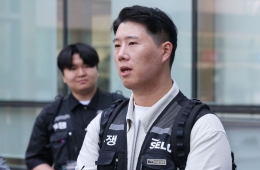
Son Han-gi, head of the Jogok-dong Administrative Welfare Center, said, “Jogok-dong, with a high proportion of original residents and a small community of about 6,600 people, has a strong sense of belonging and high participation, resulting in well-established administrative welfare services.” He emphasized, “The Railroad Official Residence Village and Jukdobong are indispensable parts of the neighborhood. Our dream is to build cultural events and infrastructure related to railroads and develop Jukdobong into a garden comparable to a national garden, making it the best place to live in the country.”
© The Asia Business Daily(www.asiae.co.kr). All rights reserved.