KDCA's Analysis of Depression Indicators from the Community Health Survey
Targeting 230,000 Adults Aged 19 and Older Nationwide
Targeting 230,000 Adults Aged 19 and Older Nationwide

by Kwak Minjae
by Choi Yujeong
Published 14 Apr.2026 14:43(KST)
Updated 14 Apr.2026 15:22(KST)
The risk of experiencing depressive symptoms was found to be 2.1 times higher for individuals with insufficient or excessive sleep compared to those with an appropriate amount of sleep. Lack of social relationships and smoking were also identified as major associated factors.
On April 14, the Korea Disease Control and Prevention Agency (KDCA) announced the results of a comprehensive analysis of indicators related to adult depression, based on the "2025 Community Health Survey" conducted among approximately 230,000 adults aged 19 and older nationwide.
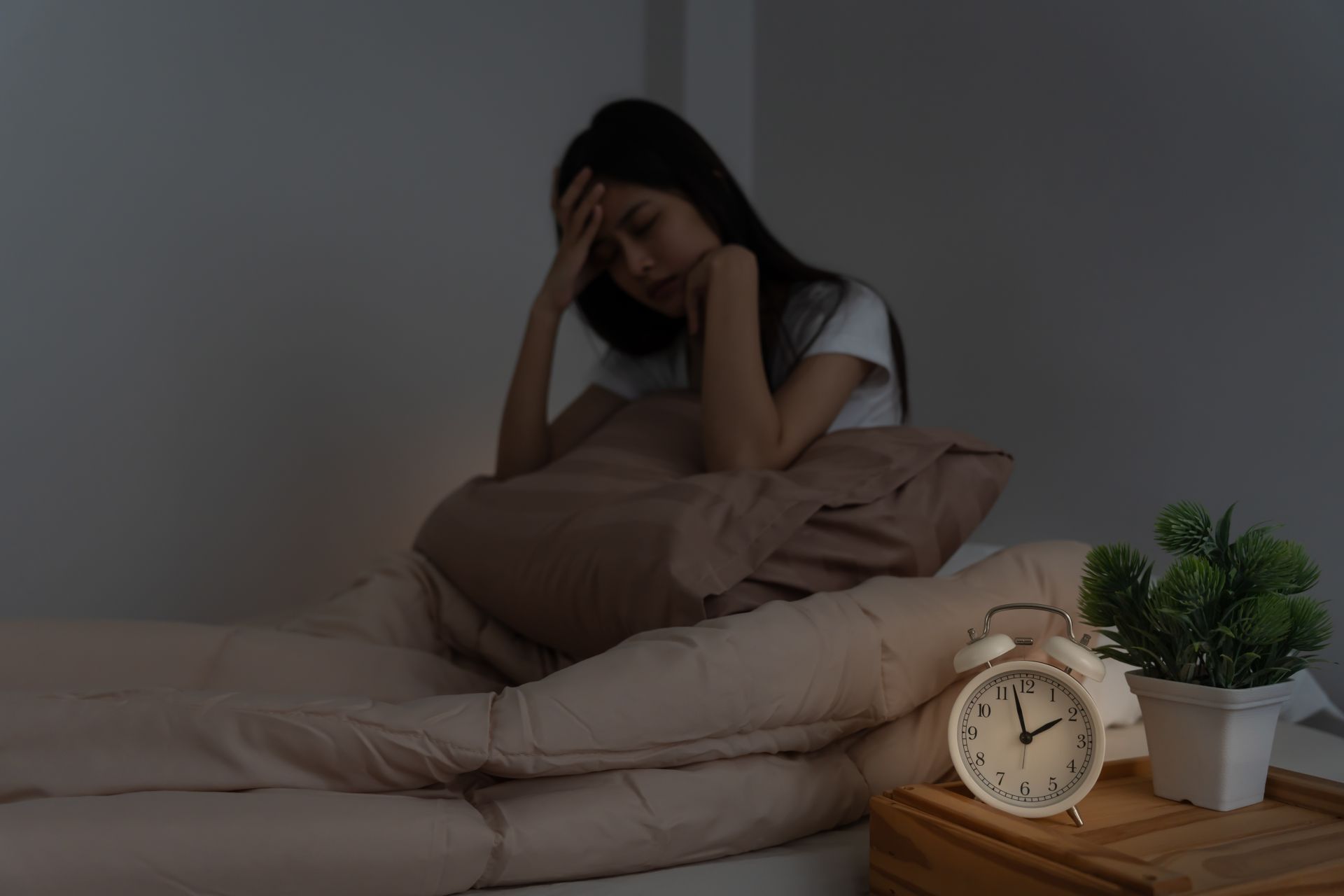
According to this analysis, sleep was the factor most closely linked to depressive symptoms. The risk of experiencing depressive symptoms was 2.1 times higher for those sleeping less than 6 hours or more than 9 hours compared to the appropriate sleep group (7-8 hours). In terms of social relationships, the risk was 2.0 times higher for those interacting with friends less than once a month, and 1.8 times higher for those with low trust in their neighbors. Among health behavior factors, the risk was 1.7 times higher for smokers, 1.2 to 1.4 times higher for those lacking physical activity such as walking or strength training, and 1.3 times higher for high-risk drinking.
The prevalence of depressive symptoms is measured by the proportion of individuals scoring 10 or higher on the Patient Health Questionnaire-9 (PHQ-9), indicating a clinical likelihood of depression and identifying a high-risk group for which visiting a medical institution and consulting a specialist is recommended. This indicator increased by 25.9%, from 2.7% in 2017 to 3.4% last year. The annual experience rate of depressive feelings peaked at 7.3% in 2023 and then slightly declined to 5.9% last year. The annual experience rate refers to those who, over the past year, experienced sadness, despair, or depression severe enough to disrupt daily life for two consecutive weeks or longer.
Among adults who experienced depressive feelings, the percentage who sought professional counseling rose from 16.5% in 2016 to 27.3% last year. The KDCA interpreted this as a result of reduced negative perceptions about mental health counseling over the past decade. However, it added that, since the counseling rate is still low, there is a need to enhance accessibility and connection to these services.
The risk of depression among vulnerable groups was significantly higher than the overall average. The prevalence among basic livelihood security recipient households was 4.6 times that of non-recipient households; among those with a monthly income of 2 million won or less, it was 2.6 times higher than the overall average; and among single-person households, it was 2.3 times higher than that of households with two or more people. Women had a 1.7 times higher prevalence compared to men, with particularly notable rates among women in their 20s and 30s and those aged 70 and above. The prevalence of depressive symptoms among single-person households aged 70 and over was 8.9%, which is 2.6 times higher than the overall rate of 3.4%.
By region, Ulsan (4.9%), South Chungcheong (4.4%), and Daejeon and Incheon (4.2%) had the highest prevalence rates, while Gwangju and North Jeolla (2.3%) had the lowest. Over the past nine years since 2017, the prevalence increased in 14 metropolitan cities and provinces, with Ulsan showing the highest rate of increase. Only three areas-Gwangju, South Chungcheong, and North Jeolla-saw a decrease in prevalence.
Lim Seungkwan, Commissioner of the Korea Disease Control and Prevention Agency, stated, "High-risk groups for depression have been identified as women in their 20s and 30s, the elderly aged 70 and above, single-person households, the unemployed, and low-income individuals. The main associated factor is excessive or insufficient sleep." He added, "To prevent depression, it is important to maintain appropriate sleep, social relationships, and healthy lifestyle habits." The KDCA plans to establish and implement community health policies that comprehensively consider high-risk groups and major associated factors based on the results of this analysis.
Kwak Minjae mjkwak@asiae.co.kr
Choi Yujeong yjchoi@asiae.co.kr
© The Asia Business Daily(www.asiae.co.kr). All rights reserved.



!["They Said It Was 'Delicious' Milk... Is the 'List of Fake Milk Products in Korea' for Real? [Matjal X-File]"](https://cwcontent.asiae.co.kr/asiaresize/323/2023072413274517286_1690172865.jpg)

!['Record-High Net Profit' TSMC to Invest KRW 82 Trillion in Facilities This Year [Taiwan Chip Communication]](https://cwcontent.asiae.co.kr/asiaresize/304/2026011515434793142_1768459427.jpg)