Collusion on Pork Bidding Prices Exposed During Large Mart Supply Process
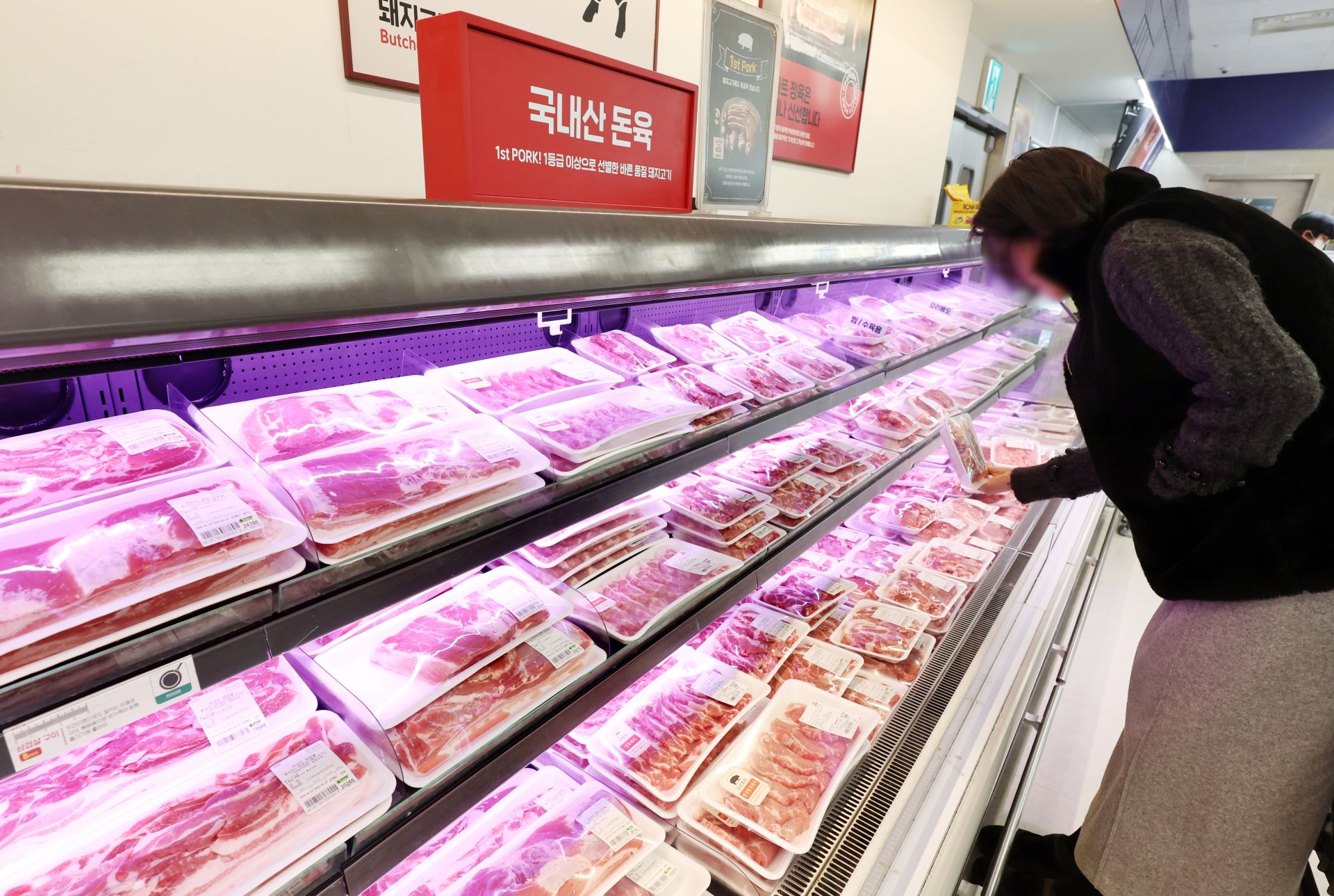
It has been revealed that the price of pork, a staple on Korean dining tables, was artificially inflated due to meticulous collusion among meat processing companies. During the process of supplying pork to Emart, which holds the largest market share among large supermarkets, some companies were caught by the Fair Trade Commission (FTC) manipulating bidding prices, even going so far as to set up secret chat rooms on Telegram.
On March 12, the FTC announced that it had imposed corrective orders and a total fine of 3.165 billion won on nine meat processing companies that prearranged bidding or quotation prices when supplying pork to Emart. The commission also decided to report six of these corporations to the prosecution. The nine companies are Daeseong Industrial, Daejeon Chungnam Pig Farming Cooperative, Bukyeong Pig Farming Cooperative, CJ Feed & Care, Dodram Food, Bodam, Sunjin, Farm Story, and Haedream LPC. Among them, Dodram Food and five other companies are to be reported to the prosecution due to the seriousness of their violations.
Pre-Agreement on Bidding and Quotation Prices
First Penalty for Pork Transaction Collusion
Nine Meat Processing Companies Fined 3.1 Billion KRW
First Penalty for Pork Transaction Collusion
Nine Meat Processing Companies Fined 3.1 Billion KRW
Six Corporations Including Dodram Food Reported to Prosecutors
Fair Trade Commission Issues Strict Warning Against Food Collusion
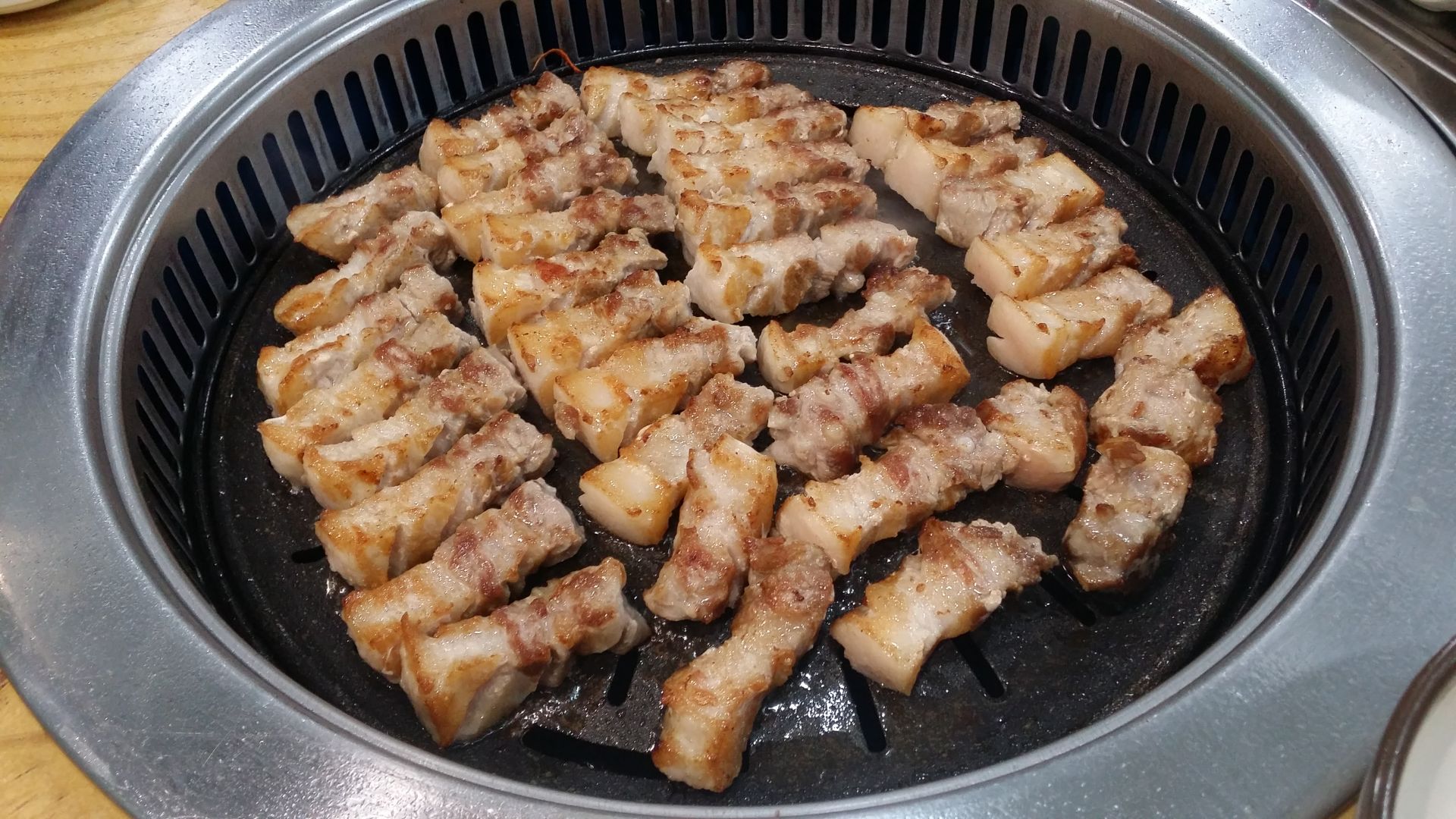
Photo by Getty Images Bank
Fair Trade Commission Issues Strict Warning Against Food Collusion
Photo by Getty Images Bank
When Market Prices Rose 2%, Bid Prices Soared by 10%
This is the first case in which collusion on pork supply prices has been sanctioned in the transaction process. The collusion extended across both the "general meat" market-where pork is sold without distinguishing between meat processors-and the "branded meat" market, where each company's label is attached.
Eight general meat suppliers, fearing a drop in supply prices ahead of Emart’s anniversary event in November 2021, created a chat room on Telegram. During 14 rounds of bidding over about three months, they prearranged the minimum bid prices for cuts such as pork belly and neck for 8 out of the 14 tenders and carried out the plan. The total contract amount for these bids reached 10.3 billion won.
The collusion in the branded meat market was equally elaborate. From July 2021 for about two years and three months, Dodram Food and four other companies prearranged prices or the range of increases and decreases for each pork cut in 10 separate bidding rounds. Out of concern that a large price gap between brands would make the more expensive pork harder to sell, they coordinated to keep supply prices similar-a clear case of collusion. The total contract value for these deals amounted to 8.7 billion won.

CJ Affiliates Face Repeated Collusion Charges
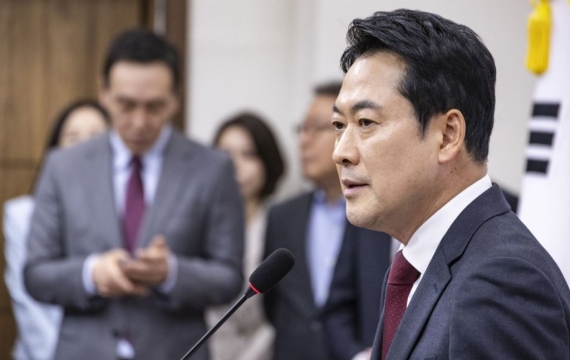
The impact of the collusion was felt in supermarket prices. Moon Jaeho, Director General of Cartel Investigation at the FTC, stated, "At the time of the first agreement in November 2021, the market price of pork rose by 2.2% compared to the previous day, but the colluding companies’ quoted prices soared by 9.8%-more than four times the market increase." Conversely, in December 2021, when the market price dropped by 11.4%, their quoted prices dropped by only 6.4%. Moon explained, "Whenever the market price went up, they raised their prices even more; when the market dropped, they lowered their prices much less."
In this case, CJ Feed & Care, an affiliate of CJ, was among those reported to prosecutors. This follows recent cases involving CJ CheilJedang, which was implicated in sugar price collusion (decision issued) and flour and starch syrup collusion (investigation report submitted). Now, with pork price collusion, CJ-related companies have been caught repeatedly in a short period of time. This level of repeated involvement in collusion cases within such a short period is extremely rare.
The FTC expects that these sanctions will serve as a stern warning against collusion in the food sector, which leads to increased living costs for the public. Moon added, "We will also swiftly handle ongoing major food collusion cases involving flour, starch syrup, eggs, and others, and will take strict action if violations are confirmed."
-

Reporter Oh Yukyo 5625@asiae.co.kr
-
Edit Choi Yujeong yjchoi@asiae.co.kr
© The Asia Business Daily(www.asiae.co.kr). All rights reserved.

!["They Said It Was 'Delicious' Milk... Is the 'List of Fake Milk Products in Korea' for Real? [Matjal X-File]"](https://cwcontent.asiae.co.kr/asiaresize/323/2023072413274517286_1690172865.jpg)

!['Record-High Net Profit' TSMC to Invest KRW 82 Trillion in Facilities This Year [Taiwan Chip Communication]](https://cwcontent.asiae.co.kr/asiaresize/304/2026011515434793142_1768459427.jpg)