70% of Domestic Household Assets
Concentrated in Real Estate
Concentrated in Real Estate

by Choi Seungwoo
by Choo Myeonghoon
Published 09 Mar.2026 09:46(KST)
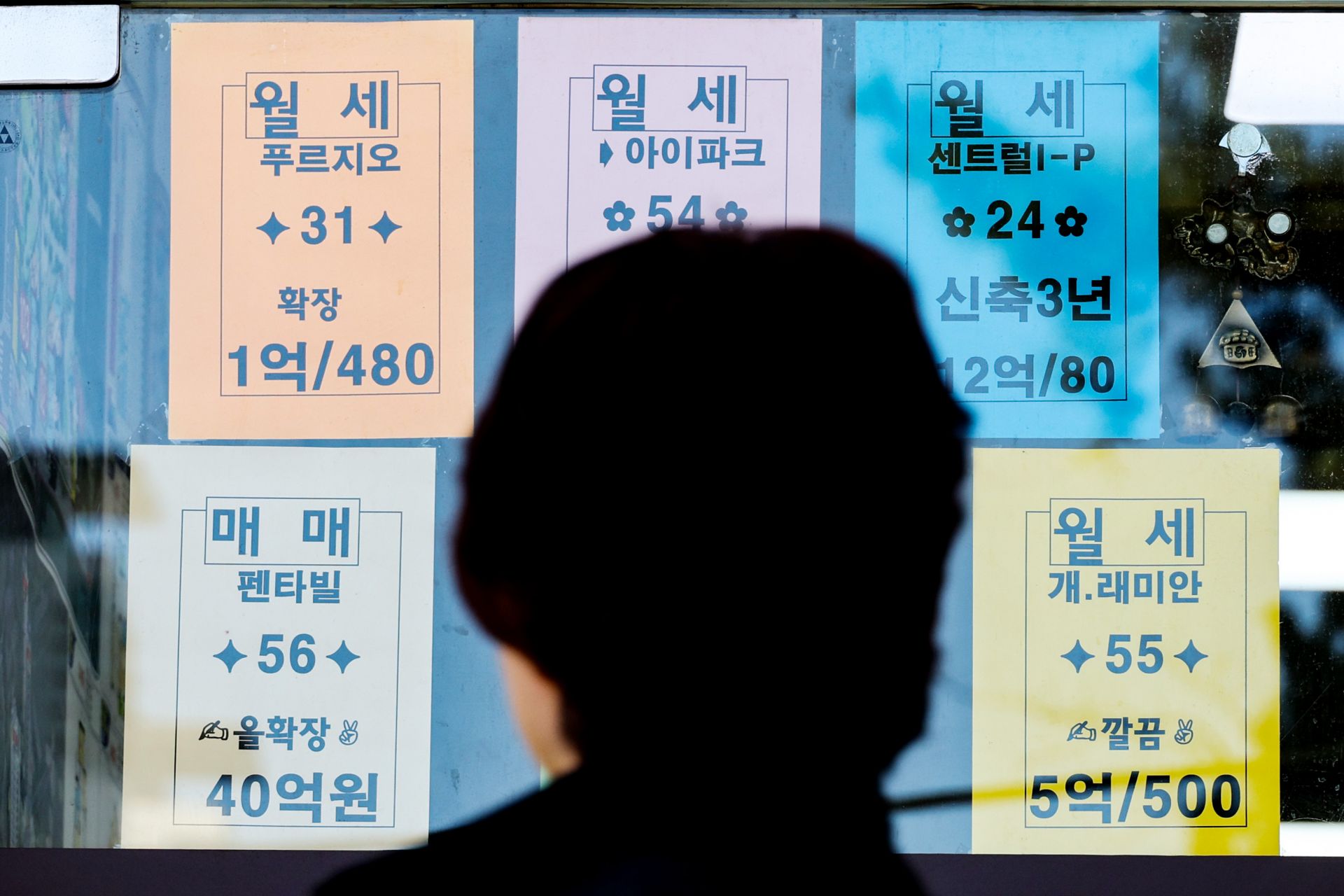

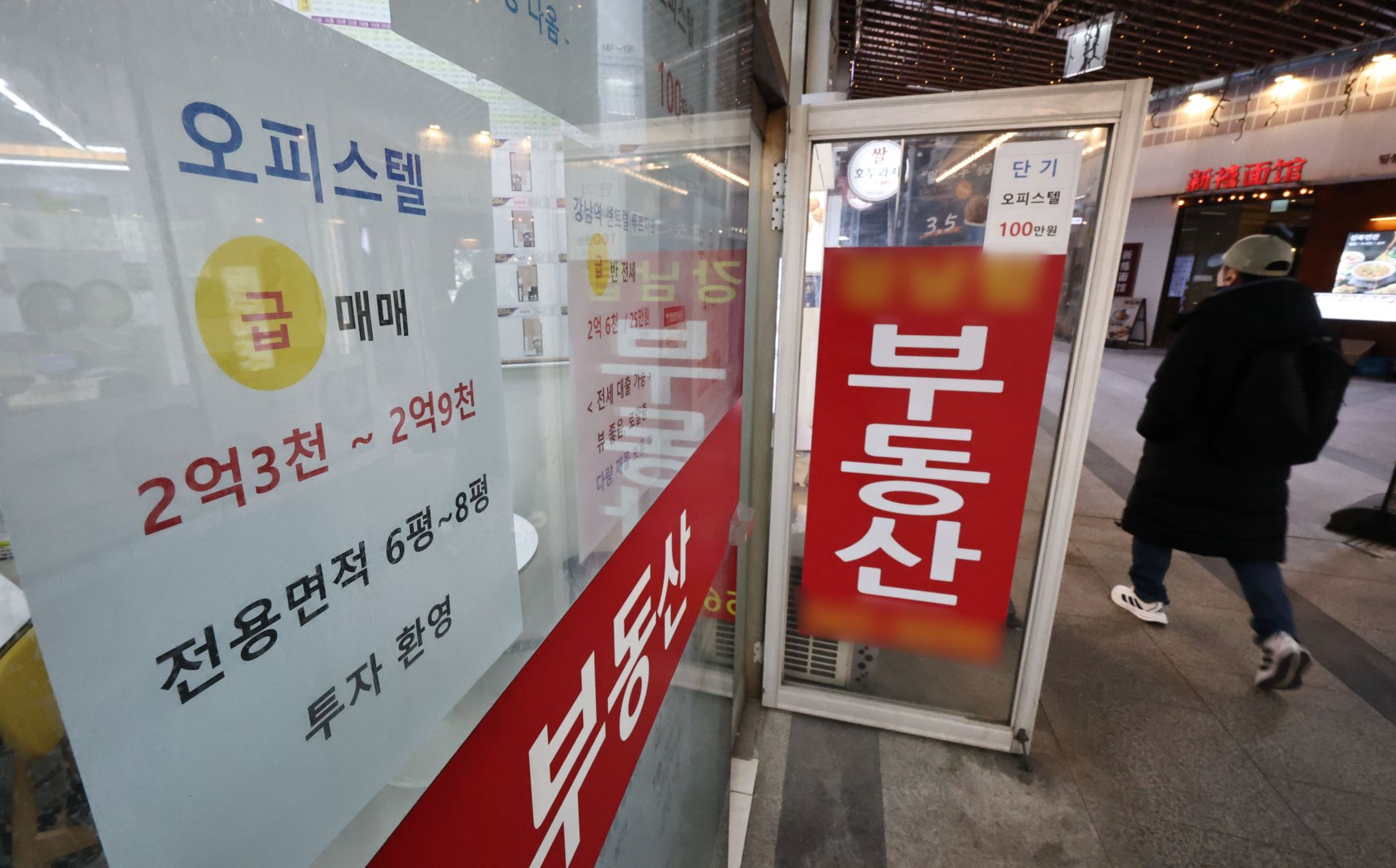
On March 8, the Shinhan Future Strategy Research Institute of Shinhan Financial Group published a report titled "What Will Change If Housing Prices Stabilize." The report analyzed that, given the structure in which about 70% of household assets in South Korea are concentrated in real estate, rising housing prices widen the asset gap and increase the burden of housing costs. These effects, in turn, can contract household consumption and ultimately impact the entire economy.
The institute especially noted that a reduction in the burden of housing costs is highly likely to bring changes to consumption patterns. Since consumption contraction is relatively more pronounced among young and middle-aged adults when housing prices rise, stabilization of prices could allow these age groups to recover their consumption capacity. It also explained that spending on future investments, such as education and self-development, would likely increase, leading to positive changes in overall economic activity.

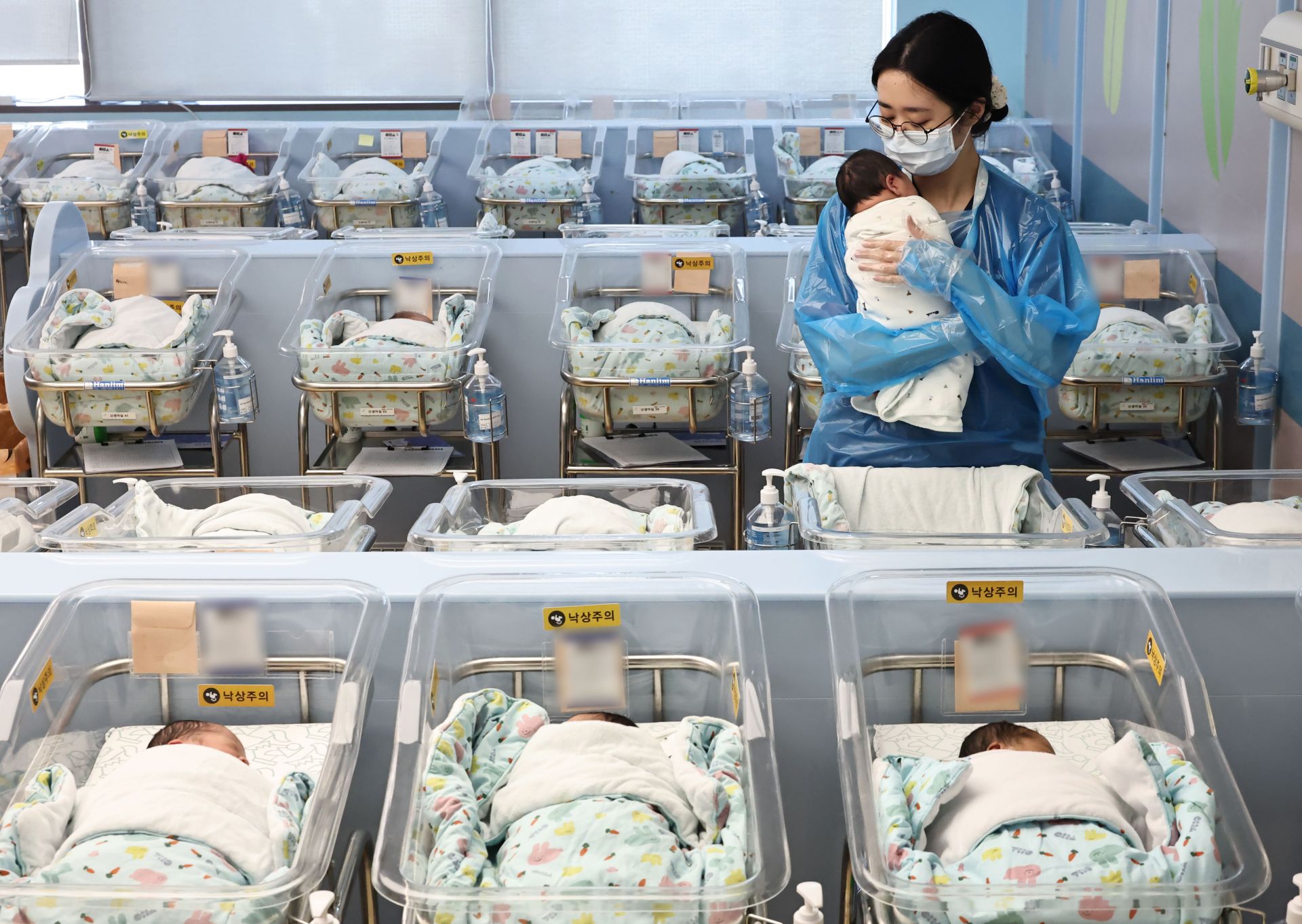
There is also a forecast that housing prices could affect marriage and childbirth trends. In Korean society, where the perception of "marriage equals homeownership" is strong, easing the burden of housing costs could lower the economic barrier to marriage. As a result, the intention to marry among unmarried young adults is more likely to lead to actual marriages, and stable housing conditions are expected to have a positive impact on childbirth conditions as well.
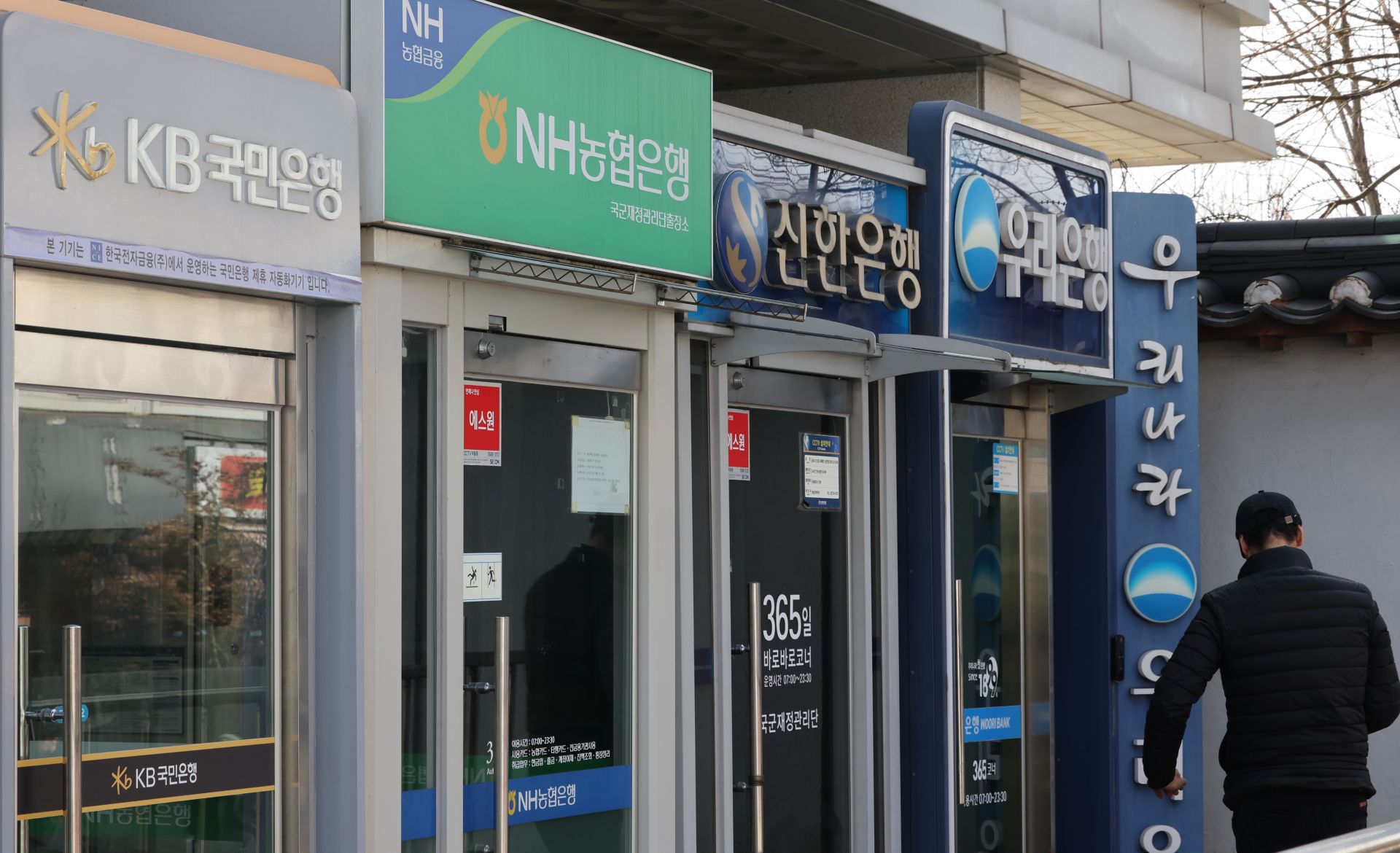
The report also projected that stabilization of housing prices could bring changes to the structure of the financial market. Among young adults and newlywed couples, an increase in available funds could lead to greater demand for financial products related to initial asset formation, such as savings accounts or investment products. In contrast, among the elderly, there may be increased demand for downsizing from larger to smaller homes, utilizing home pensions, and financial products related to inheritance and gifting.
A representative from the Shinhan Future Strategy Research Institute emphasized, "Easing the burden of housing costs can bring about positive changes for households, including the recovery of consumption and improved conditions for marriage and childbirth," adding, "The financial sector also needs to strengthen its role in supporting households with asset formation and economic activity."

Choi Seungwoo loonytuna@asiae.co.kr
Choo Myeonghoon chox2mh@asiae.co.kr
© The Asia Business Daily(www.asiae.co.kr). All rights reserved.



!["They Said It Was 'Delicious' Milk... Is the 'List of Fake Milk Products in Korea' for Real? [Matjal X-File]"](https://cwcontent.asiae.co.kr/asiaresize/323/2023072413274517286_1690172865.jpg)

!['Record-High Net Profit' TSMC to Invest KRW 82 Trillion in Facilities This Year [Taiwan Chip Communication]](https://cwcontent.asiae.co.kr/asiaresize/304/2026011515434793142_1768459427.jpg)