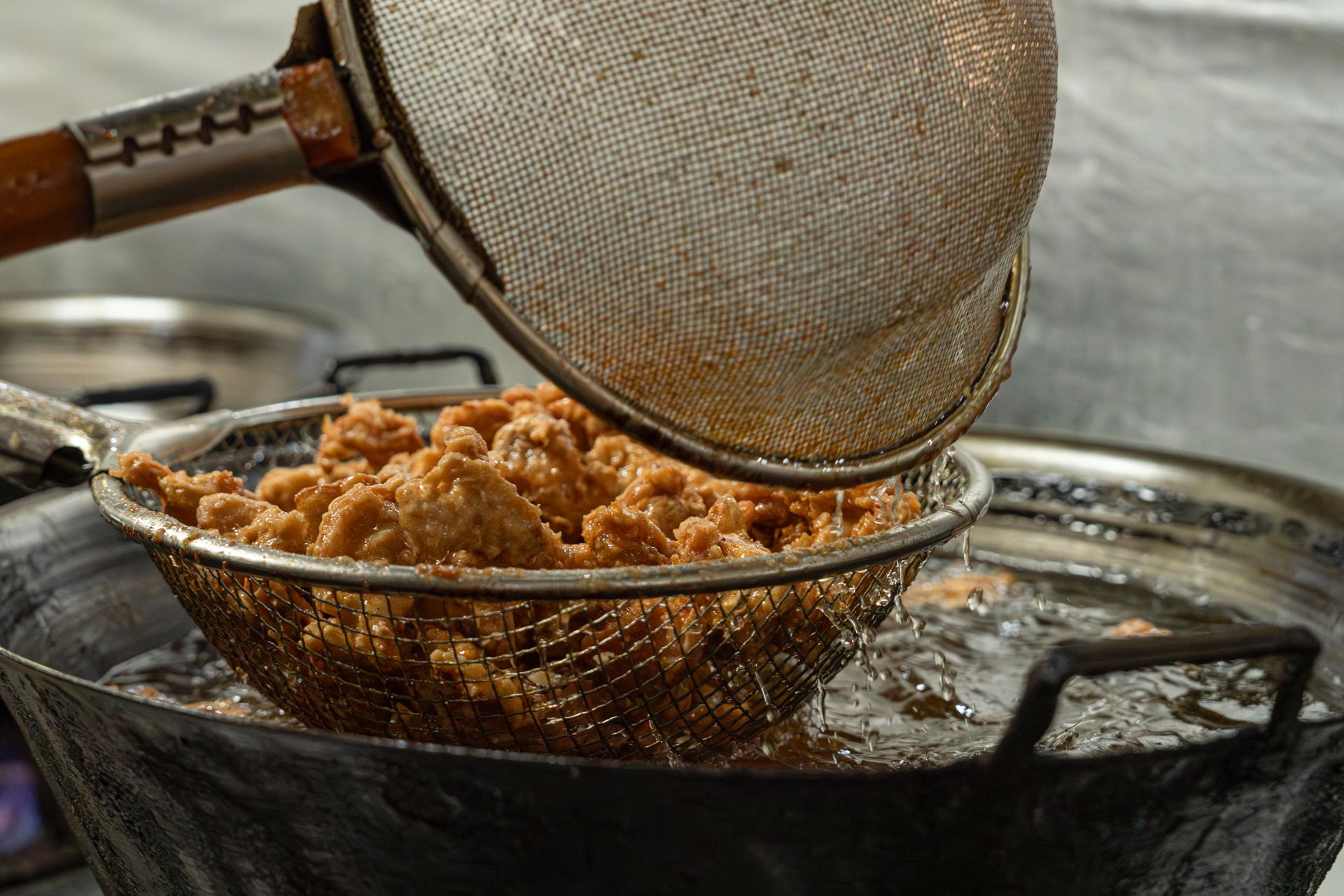


"Our store's sales from Baedal Minjok and Coupang Eats account for more than 80%"
Mr. A, who operates a chicken franchise, fries between 100 and 130 chickens a day.
His daily sales reach between 2.5 million and 3.5 million won.
At first glance, it seems like a thriving business, but a closer look at the settlement statements tells a different story.
After deducting cost of goods, platform fees, rent, labor costs, and taxes, there is virtually nothing left.
The net profit does not even reach 10%.

The first floor of the main street shopping area near Gangnam Station in Seoul is closed and empty. Photo by Jinhyung Kang aymsdream@
원본보기 아이콘How Delivery Platforms Are Destroying Chicken Shops
ㅡ
A Deep Dive into the 25,000 Won Chicken Price...What Actually Reaches the Owner's Hands Is Just a Few Thousand Won
The selling price of a new chicken menu item is 25,000 won (excluding VAT, 22,727 won).
The supply price from headquarters (including chicken, oil, batter, sauce, packaging, etc.)
After deducting 11,480 won (50.5%), the expected profit for the owner is 11,247 won.
* In the past, before delivery applications existed, you only had to subtract fixed costs (rent, labor, delivery fees) from this amount.
However, after the advent of delivery apps, the profit structure has completely changed.
The cost taken by the delivery platform alone is 6,710 won per chicken (29.5%).
What remains in the owner's hands is just 4,537 won.
The delivery platform costs include intermediary commission (7.8%) of 1,950 won, payment fee (3%) of 750 won, delivery fee of 3,400 won, and VAT of 610 won, among others.
Even this is not net profit.
Monthly rent is 1.5 million won, plus 3 million won for part-time labor, totaling 4.5 million won per month.
Assuming 100 chickens are fried per day, per chicken,
rent is 500 won and labor is 1,000 won, totaling 1,500 won in fixed costs.
The actual amount left is 3,037 won. After accounting for electricity, gas, and taxes, the real net profit is virtually zero.
This scenario assumes only one part-time worker is employed and no delivery platform advertising is conducted.
"Typically, the supply price taken by the franchise headquarters is about half of the selling price."
"If you add delivery platform fees on top of that, there is nothing left."
"The supply price from headquarters hasn't changed much over the years, but spending on delivery app advertising is tightening the noose on sales."
"If you reduce advertising, orders stop; if you increase it, profits decrease further. We're caught in a dilemma."
ㅡ
Daily Sales of 3 Million Won...The Platform Took 830,000 Won
Mr. A sold 3,000,400 won worth of chicken in one day through Baedal Minjok,
but only 2,165,838 won was deposited into the owner's account.
A total of 834,562 won disappeared as the platform's share.
This includes intermediary service fees for exposure services like Baemin One and Alttul Delivery (165,503 won),
customer discount costs (coupon support of 146,500 won) split equally between franchise headquarters and the owner, and so on.
The delivery fee (373,400 won) is 2,500 to 3,400 won per order and accounts for the largest portion of sales.
Franchise Headquarters 45% vs Delivery Apps 26% vs Store Owner 12%
This is the situation for Mr. A's store, which did not use advertising.
If "Our Store Click" advertising is used, platform costs can soar to as much as 40% of the total order amount.
The structure incurs advertising costs of 200 to 600 won per click,
and costs are deducted even if clicks occur without actual orders.
Due to fierce competition for exposure, most stores set the cost at 600 won per click.
"Even if there are only clicks without orders, money goes out, and if you don't advertise, you don't appear at the top and orders stop completely. We're trapped in the platform structure and can't help but struggle."
As delivery platforms expand their policy of small, single-person orders,
franchise headquarters are also competitively launching "single meal" menu items.
However, store owners unanimously say, "Margins are shrinking even further."
This is because the delivery fee remains the same, but the order amount per transaction decreases.
According to an analysis by the Seoul Metropolitan Government of sales data from 186 franchise stores,
the average share of sales through delivery platforms was 48.8%. However, the reality is even more serious.
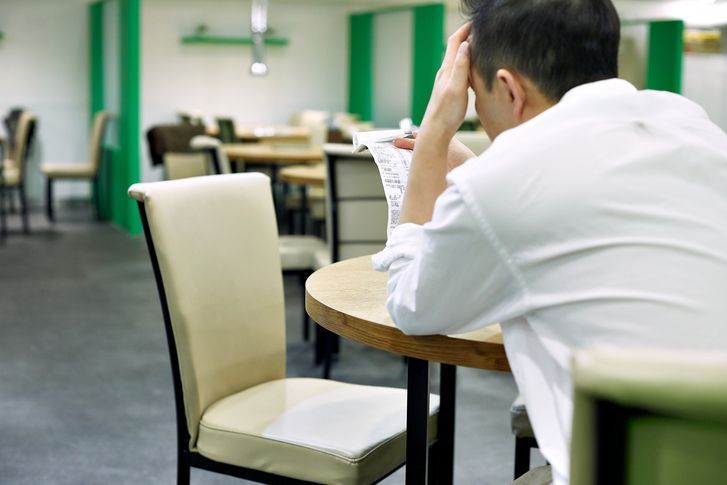
"We survived COVID-19, but we can't survive the delivery apps. Whether we die this way or that way, it's the same, so we're considering closing down"
"I understand that more than 20% of all franchisees operating the three major chicken franchises have put up their stores for sale"
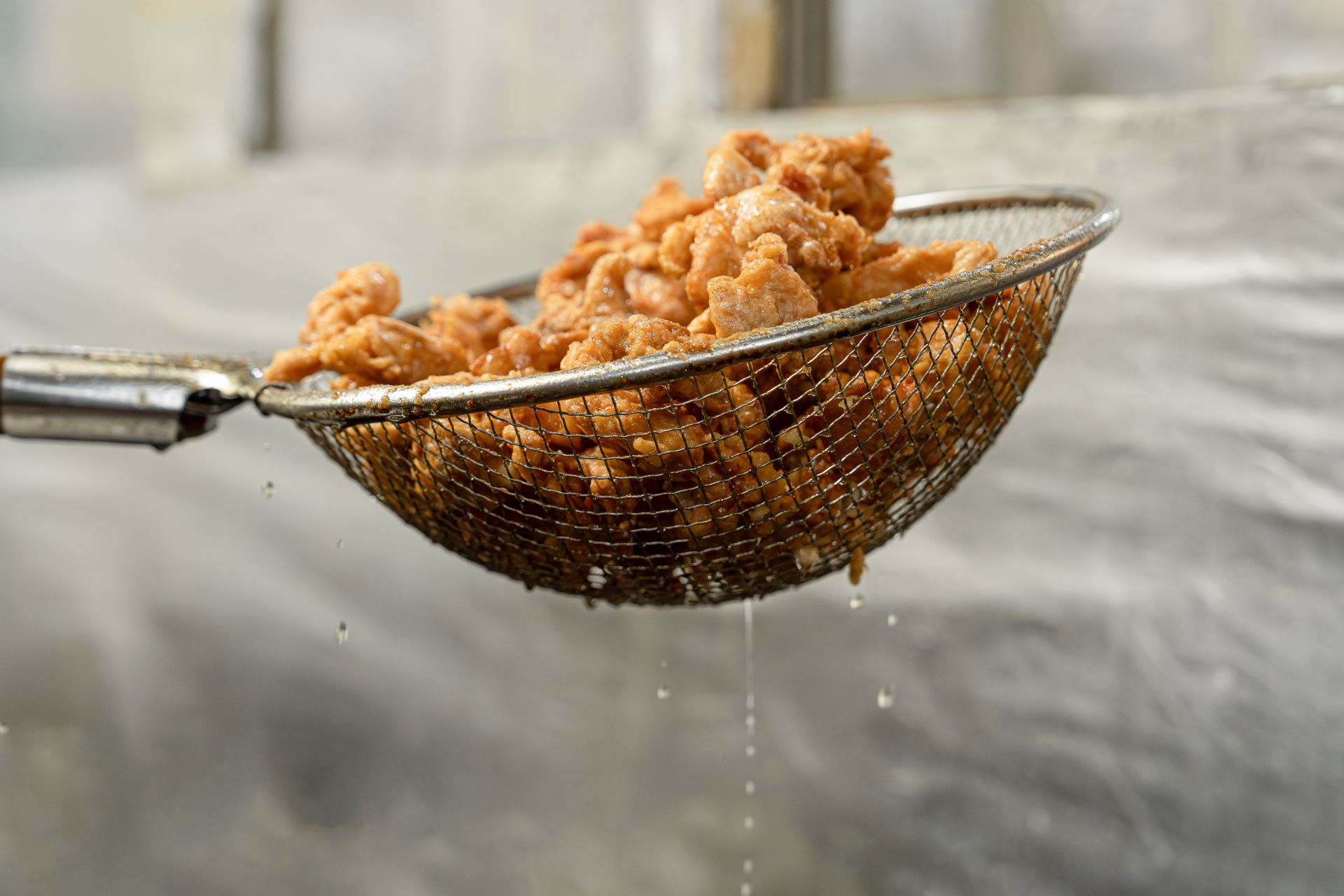
"For self-employed business owners, delivery apps have become a structure where 'if you don't participate, you cannot even secure basic sales,' rather than a means to expand the market."
"A vicious cycle is solidifying where groups that use the apps more gain an advantage while cost pressures simultaneously intensify."
"Korea's structural characteristics of self-employment differ from other countries, yet discussions on this are insufficient."
"There needs to be a social discussion on how platforms, headquarters, and the government will share their respective roles and burdens." - Eun Ae Jung, Research Fellow at the Small and Medium Business Research Institute



![[Reportage]"It Only Leads to Arguments"... Chungnam's True Sentiments Hide Deeper After Martial Law](https://cwcontent.asiae.co.kr/asiaresize/304/2026051223490460082_1778597344.jpg)