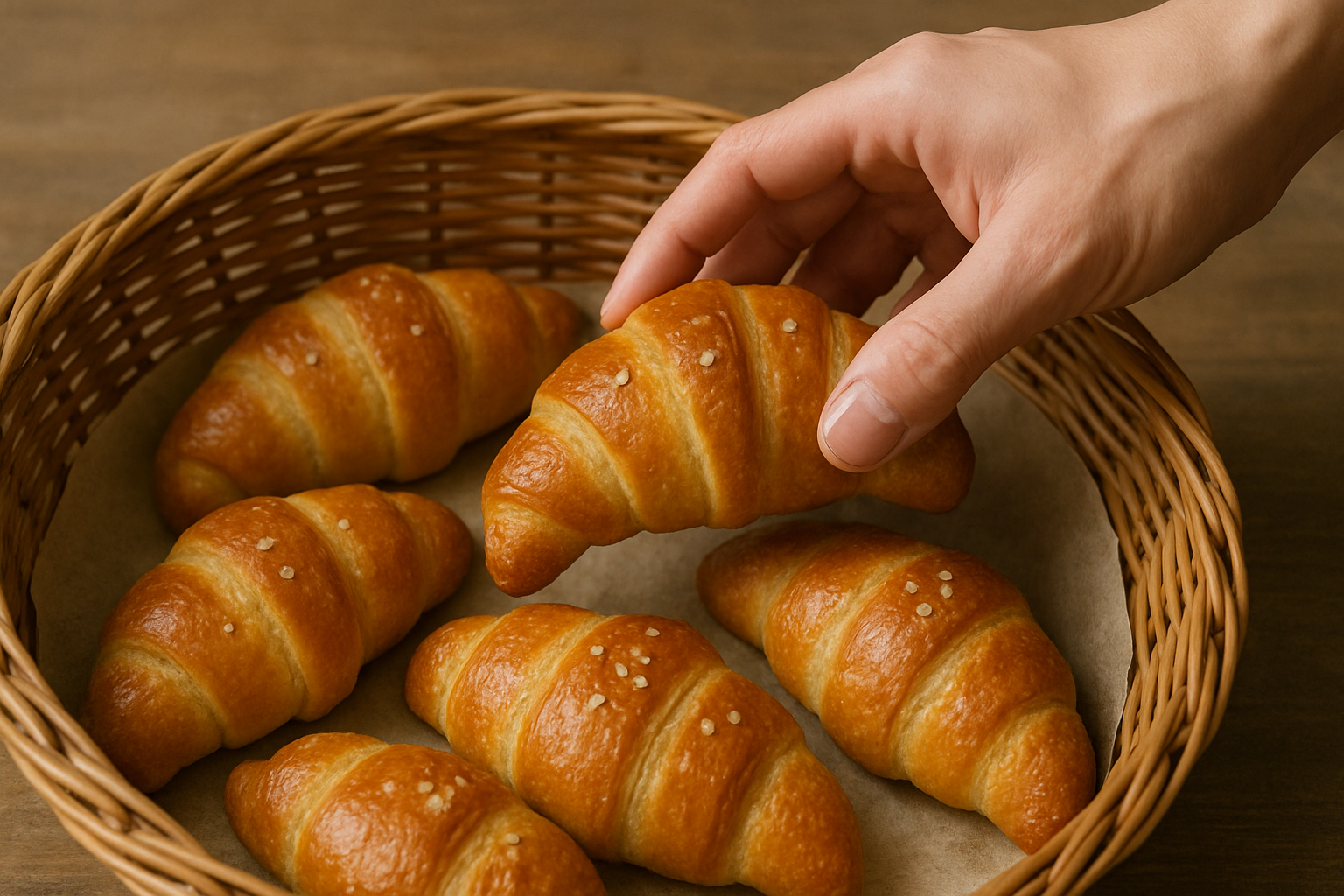

According to the 'Bakery Market Trend Report' released by Korea Credit Data (KCD), the most frequently purchased bread in the first half of this year was salt bread (15.7%). Next were sandwiches (15.0%), white bread (7.2%), croissants (5.3%), and bagels (5.2%).
Have you noticed how expensive bread has become these days?
Bagels, once a quick breakfast option, and salt bread, often enjoyed with coffee,
are now turning into "luxury items for a mood boost."
Bagel prices surged 44% in three years... Salt bread and sandwiches also up over 30%
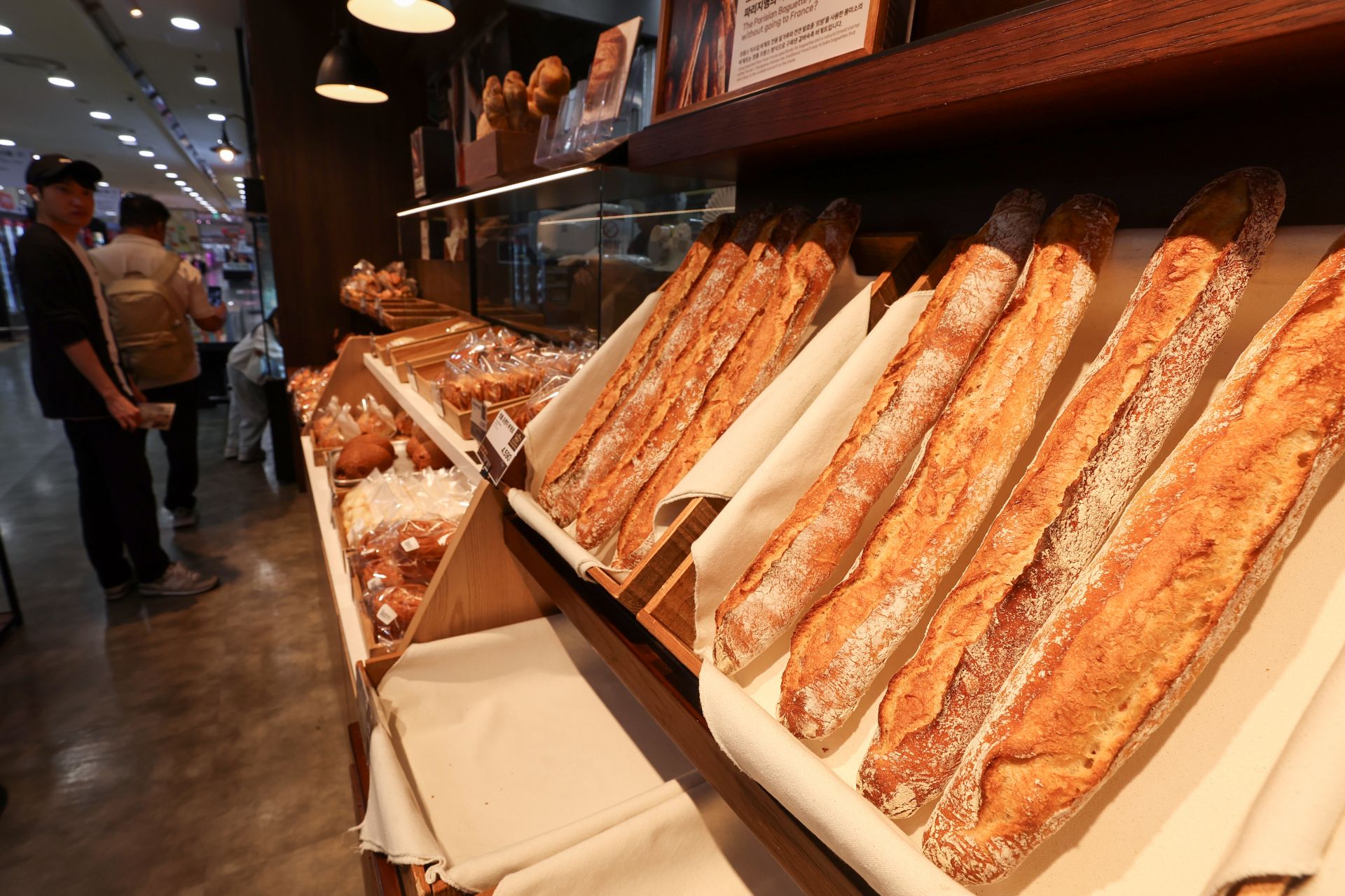
However, 'popularity' comes with 'burden'. As of June 2022, the average price of one bagel was in the 3,000 won range. By the end of June this year, it jumped to 4,400 to 4,900 won. This is a 44% increase in three years.
Sandwiches (32%) and salt bread (30%) also recorded increases in the 30% range. Salt bread was only in the 2,000 won range just 2 to 3 years ago, but now most stores have a base price of 3,000 to 3,500 won.
This is also confirmed by the Bank of Korea's statistics.
In August, the bread consumer price index rose 6.5% year-on-year, and 19.4% compared to June 2022.
Prices for bagels, salt bread, and sandwiches have increased at nearly twice that rate.
"Bread prices are up, but there's nothing left over"
At this point, you might think, "Bakeries must be making a lot of money," but the reality is quite the opposite.
According to KCD, as of June this year, the average monthly sales for "bakery and confectionery" businesses was about 9.07 million won.
However, the burden of rent, ingredient costs, and labor costs has pushed many into the red.
"Cafes and coffee shops" are in a similar situation.
The average monthly sales for "teahouses, coffee shops, and cafes" was 7.24 million won,
and while sales and expenses have not changed dramatically, net profits continue to shrink.

The scene of "ETF Bakery," which operated as a pop-up store in Seongsu-dong, Seongdong-gu, Seoul, run by the economic YouTuber "Shuka." Photo by Heo Midam
원본보기 아이콘In August, economic YouTuber "Shuka" tried to counter "breadflation" by selling bagels and salt bread for 990 won each.
However, the event was discontinued after just one week.
This was because self-employed bakery owners protested, saying it made existing bakeries look like they were making excessive profits.
This incident went beyond a simple price controversy and highlighted the weight of livelihood carried in "a single piece of bread."
Franchises vs. Independent Bakeries: The Reality Is Different

The report also revealed a gap between franchises and independent bakeries.
Large franchises showed higher sales indices and lower closure rates,
while independent bakeries had relatively lower sales and higher closure rates.
"Breadflation" is not just about the price of bread.
Within it lies our daily lives, the reality for small business owners, and an era where the ordinary has become a luxury.
-

Reporter Park Eunseo rloseo8@asiae.co.kr
-
Edit Kong Sumin hyunhj@asiae.co.kr
© The Asia Business Daily(www.asiae.co.kr). All rights reserved.