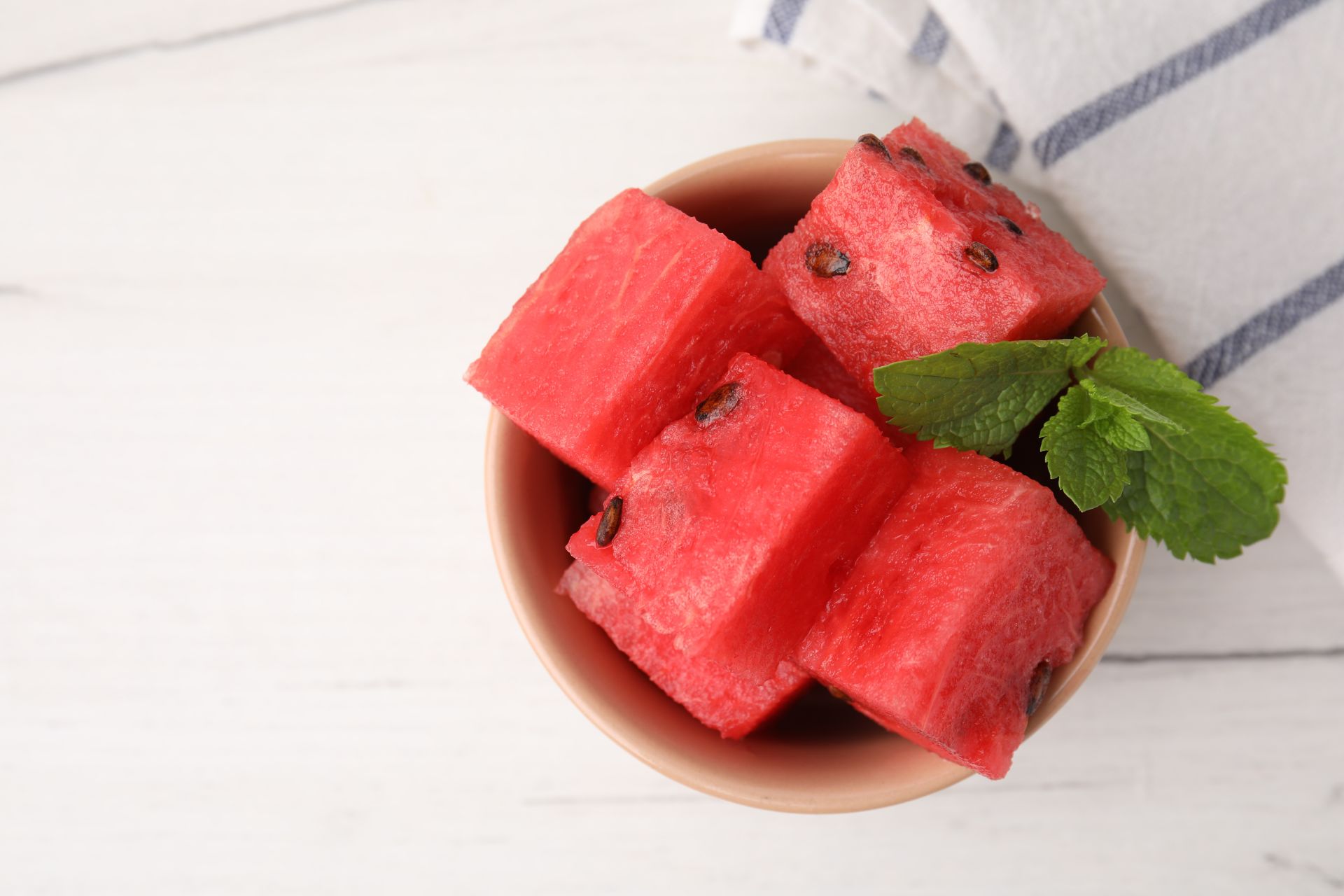
This summer, due to early heatwaves and frequent heavy rains causing fruit prices to soar, demand for 'cut fruit' packaged in small portions is increasing, especially among single-person households.
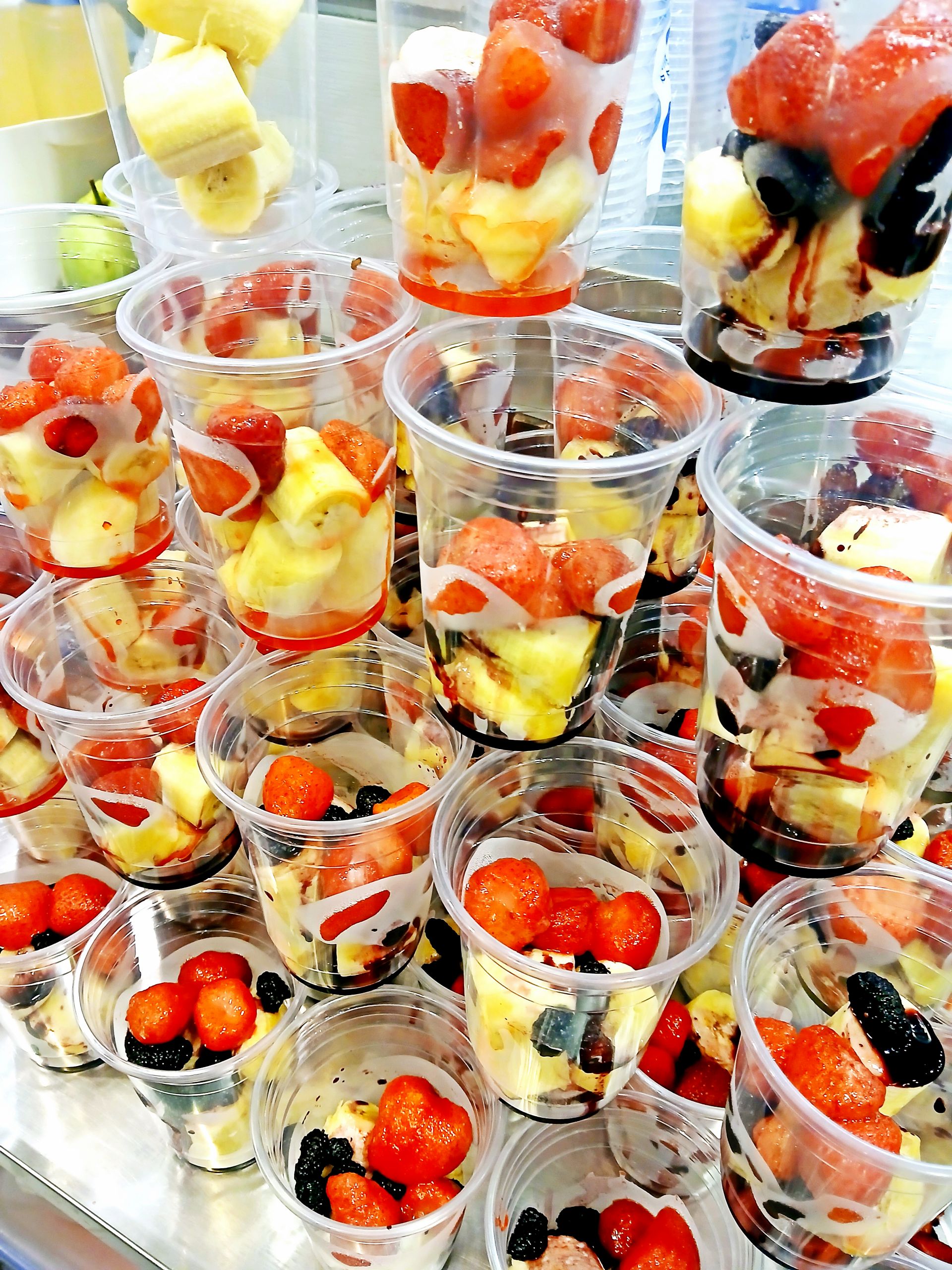
Instead of buying large quantities at once due to the burden of fruit prices, there is a clear trend of consuming only as much as needed.
Cut fruit is particularly popular among people living alone because it can be eaten immediately without separate preparation and is also easy to clean up afterward.
ㅡ
Price of a Whole Watermelon Nears 30,000 Won
Seasonal Fruit Prices Surge Due to Flood Damage


According to the Korea Agro-Fisheries & Food Trade Corporation (aT), as of July 24, the average retail price of a whole watermelon was 29,419 won. After surpassing the 30,000 won mark on July 15, watermelon prices fluctuated around 31,000 won before slightly dropping to the 29,000 won range on this day. However, this is still 18.4% higher than a year ago and 26.9% higher than the average year. This price increase is attributed to two main factors: first, the lack of sunlight last month delayed watermelon growth; second, the heatwave has driven up demand for refreshing fruits.


This is not the first time that the price of a whole watermelon has exceeded 30,000 won. Last year, prices hovered around 30,000 won from mid-August to early September, and in early August 2023, prices temporarily surpassed 30,000 won. However, it is unusual for the price of a whole watermelon to exceed 30,000 won as early as July, as it has this year.
The situation is similar for other fruits. The price of ten chamoe (Korean yellow melons) is 18,394 won, about 17% higher than a year ago. Melons are also up more than 20%, with one melon costing 10,390 won. Although the price of white peaches has recently declined somewhat, ten peaches are still 19,878 won, about 15% higher than last year.

The upward trend in fruit prices is likely to continue for the time being. This is because flood damage has occurred in major watermelon and melon producing areas such as Buyeo in South Chungcheong Province and Damyang and Gokseong in South Jeolla Province, and because demand for seasonal fruits remains high. As a result, prices are expected to stay above average levels.
ㅡ
Buying Only What Is Needed, in Small Quantities
Sales of Pre-cut Fruit for Single-Person Households Soar


As fruit prices remain high, demand for pre-cut fruit is increasing, especially among single-person households and people living alone. Pre-cut fruit is seasonal fruit that has been prepared and packaged in small portions, making it easier to store and convenient to eat without additional preparation. In addition, as the economic downturn continues, the consumer trend of buying only what is needed, rather than making bulk purchases, has become more widespread, which has also contributed to the rise in demand for pre-cut fruit.
Jo Seungju, a 31-year-old office worker living alone in Mapo-gu, Seoul, said, "Fruit is already expensive, and it's bothersome and tedious to wash, cut, and clean up, so I just end up not buying it. It's much more convenient to buy products packaged in small portions?there's no waste, and it's easier overall."
Pocket Talk
We are living in a time when one serving of pork belly costs 20,000 won and a bowl of jjajangmyeon is 7,500 won. The 2024 Consumer Price Index stands at 114.18 (2020=100), and in 2025, high inflation continues to increase the burden on consumers' grocery bills. Through the Pocket Talk (Week+Money+Talk) series, we aim to share stories about changing prices and how they affect our wallets in real time.
-

Reporter Heo Midam damdam@asiae.co.kr
-
Edit Oh Hyunyoung hyun05@asiae.co.kr
© The Asia Business Daily(www.asiae.co.kr). All rights reserved.




![[Reportage]"It Only Leads to Arguments"... Chungnam's True Sentiments Hide Deeper After Martial Law](https://cwcontent.asiae.co.kr/asiaresize/304/2026051223490460082_1778597344.jpg)