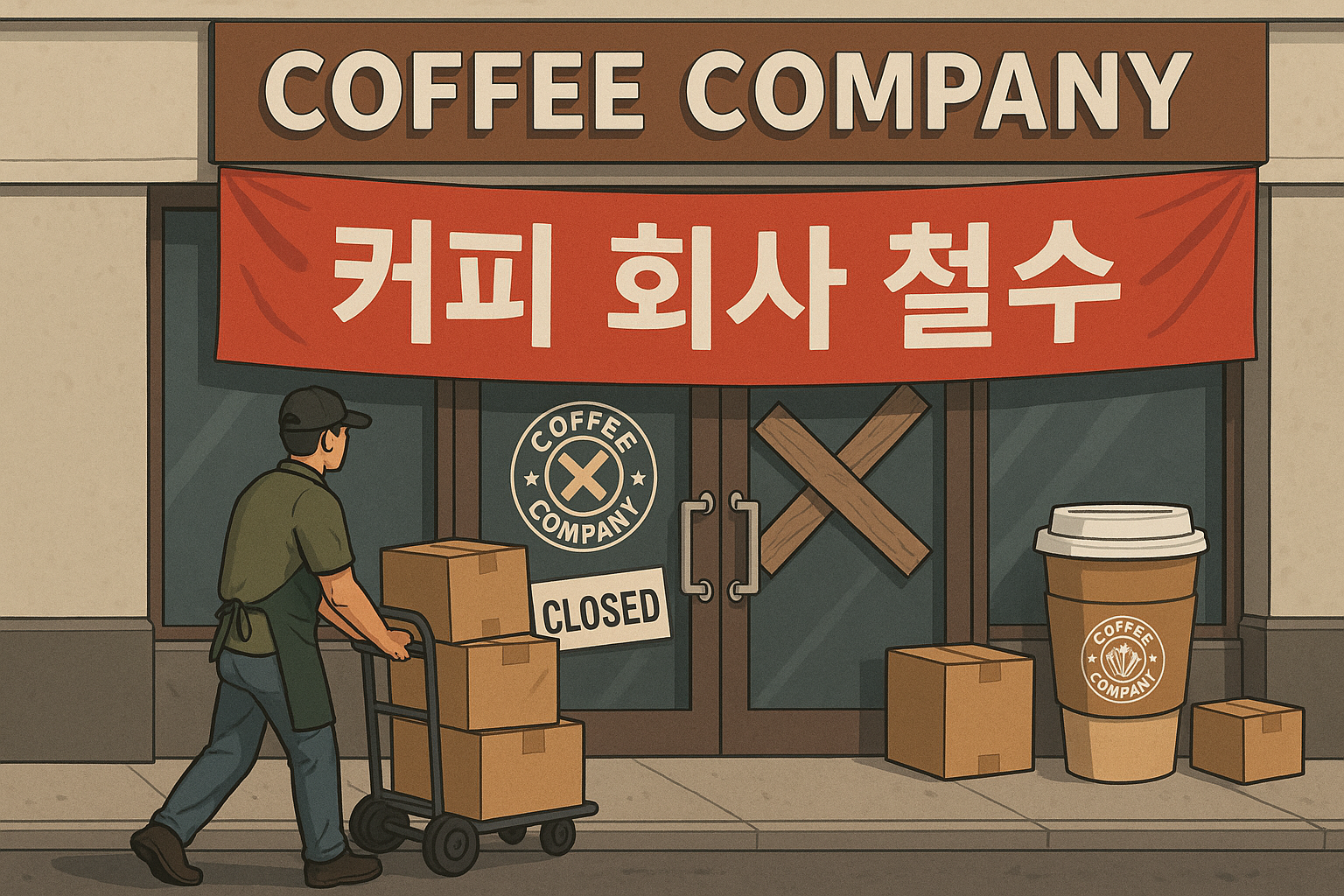
The Canadian brand 'Tim Hortons (TH Tim Hortons)' ambitiously launched in Korea
Why Do Global Coffee Brands Keep Failing in Korea?
Global coffee brands that perform well in North America and Japan are struggling in the Korean market.
Stores are closing down, and some brands are even withdrawing from the market entirely.
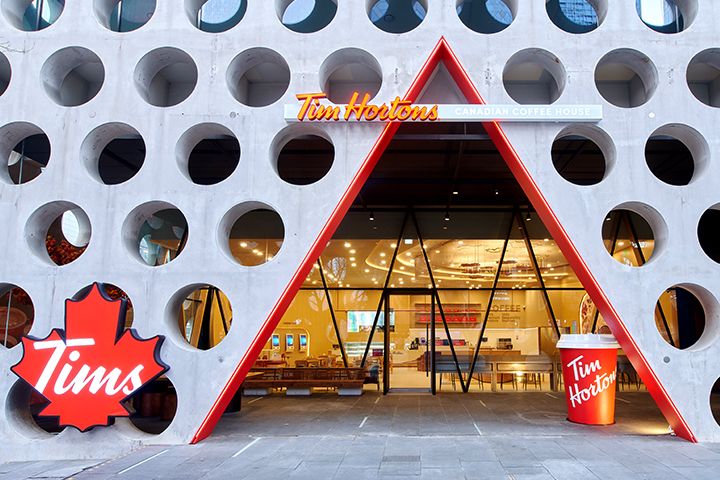
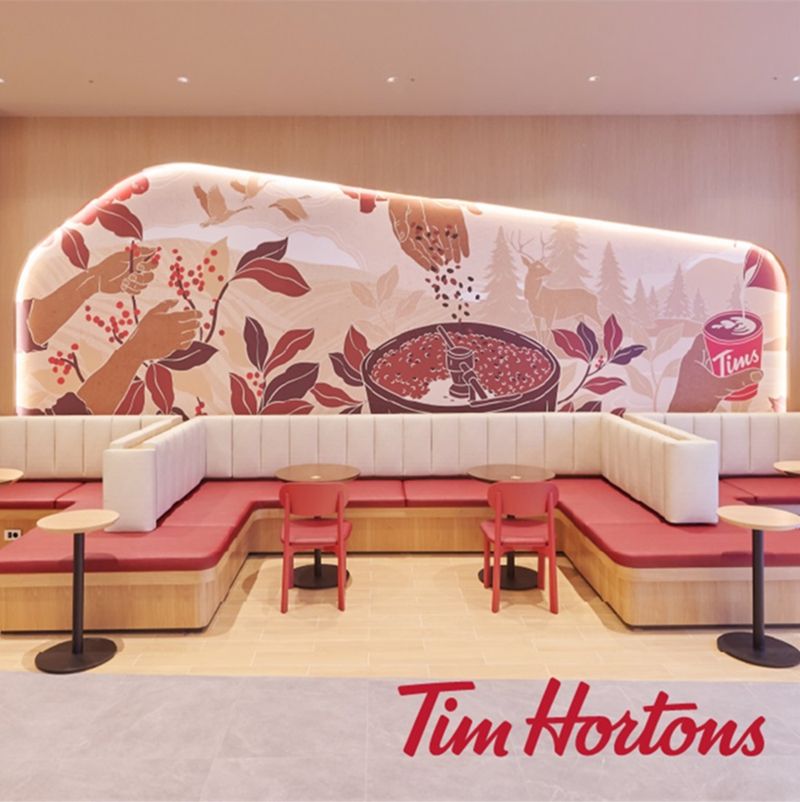
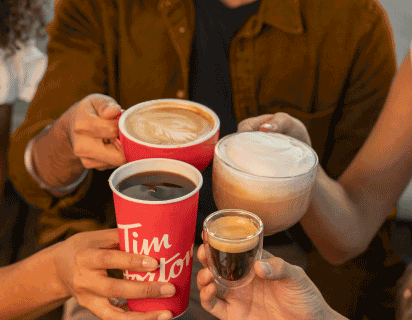
Recently, rumors of market withdrawal spread as the Incheon Cheongna branch closed.
This store opened in April last year but decided to close before completing one year.
The operator denied the withdrawal rumors, saying, "We are looking for a more suitable location."
but denied the withdrawal rumors,
There are many evaluations that it failed to settle locally.
A similar situation can be seen with the American premium brand Blue Bottle.
Dubbed the "Apple of the coffee world," its first store in Seongsu-dong in 2019 attracted so much attention that lines stretched for hundreds of meters.


Although it rapidly expanded into major commercial districts, recently, the company has faced management difficulties due to the burden of fixed costs and slowing demand.
Blue Bottle Coffee Korea's sales in 2023 increased by 17% year-on-year to 31.1 billion won,
but operating profit dropped by 89% to just 200 million won, and the company ultimately recorded a net loss of 1.1 billion won, marking its first deficit since entering Korea.
Sales increased, but operating expenses grew even more, creating an unsustainable structure.
In particular, reports emerged that as of the end of 2024, the company had only 1.9 million won in cash-equivalent assets remaining,
raising concerns that the company is effectively facing a capital erosion crisis.


Industry experts point to the rapid changes in trends among Korean consumers and their high expectations as the background for this phenomenon.
Not only the taste of coffee, but also factors such as store atmosphere, brand story, and social media shareability all influence brand choice.
Being popular overseas is no longer enough to succeed in Korea.
In particular, there are concerns that simply bringing in the standard format dictated by foreign headquarters can easily be seen as "stale" and risks being dismissed by Korean consumers.
If brands fail to properly reflect the characteristics of the Korean market, where consumption trends change rapidly through social media, they are likely to be quickly ignored.
The struggles of global coffee brands in the Korean market are not a new phenomenon.


The Japanese brand Doutor quietly withdrew,
The American coffee chain Coffee Bean has also been continuously reducing the number of its stores and undergoing restructuring for several years.
Ultimately, this reality shows that simple brand recognition or foreign appeal alone are not enough to survive in this market.
An expert in the franchise industry emphasized, "Korean consumers see the entire coffee-drinking experience as something to be consumed," adding, "To succeed, brands cannot rely solely on their name; a localization strategy and flexible response are essential."
-

Reporter Kim Eunha galaxy656574@asiae.co.kr
-
Edit Maeng Jiae mjiae@asiae.co.kr
© The Asia Business Daily(www.asiae.co.kr). All rights reserved.