Public Discussion on Revitalizing Regional and Essential Healthcare Begins... 300 Citizen Panelists to Be Recruited Starting May 13
Ensuring Representativeness by Region, Age, and Gender
Additional Inclusion of Residents from Medically Underserved Areas
Starting from May 13, 300 citizens will be recruited as panelists to revive public discussion on regional and essential healthcare.

The Citizens’ Panel Steering Committee for Healthcare Innovation announced on May 12 that it will begin a survey to recruit 300 members of the general public as citizen panelists. The selected panelists will participate in discussions of the Healthcare Innovation Committee until the end of the year.
The first public discussion agenda was decided at the 5th Innovation Committee meeting on April 30 as “Public Deliberation for Revitalizing Regional and Essential Healthcare.” The detailed agenda is composed of three main items: ▲ The public’s expectations and usage conditions for regional healthcare ▲ The main providers of regional and essential healthcare and the direction of government investment ▲ Governance for conflict-free healthcare policy and reestablishing new roles for central and local governments.
The Steering Committee is an organization established within the Innovation Committee. Its role is to expand public participation in the healthcare innovation discussion process and to ensure fairness and transparency in the citizen deliberation process. The committee designs and implements procedures for citizen participation and deliberation so that public opinions on topics discussed by the Innovation Committee are reflected fairly, and reports the results to the Innovation Committee.
The citizen panelists will be selected not by open applications, but through a random selection of mobile phone numbers. To ensure representativeness, the Steering Committee will comprehensively consider region, age, and gender, and will additionally include residents from medically underserved areas who are closely related to the current agenda. This is intended to ensure that the experiences of field sites and residents in medically underserved regions are faithfully reflected in the public discussion process.
The selected citizen panelists will play a role in suggesting the direction and standards for the government’s policy to expand regional and essential healthcare. Rather than being limited to this single public discussion, they will continue to participate in various ways in the Innovation Committee’s deliberations through the end of the year, acting as representatives who reflect public opinion in healthcare policy-making.
After finalizing the list of panelists on June 8, the Steering Committee will conduct approximately four weeks of self-deliberation by the citizen panel, followed by a one-night, two-day deliberative forum on July 4–5, and plans to report the results of the public discussion to the Innovation Committee.
Hot Picks Today
 Even with High Oil Price Relief Payment, Additional 300,000 Won Per Person to Be Provided... Applications Open from the 18th in This Region
- "Invested 95% in Hynix and Reached 10 Billion Won"... Japanese Investor's Proof Post Goes Viral
- "If He'd Waited Three More Days, He Would Have Paid 2.4 Billion Won More"...Chong Yongjin Earns 9.3 Billion Won Profit from Hannam-dong House Sale
- "You Don't Need to Go to the Gym": The Best Exercises for Lowering Hypertension
- "That Thing Wakes Up Every Night" ... Suspicious Object Covers Rural Village
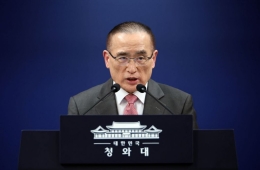
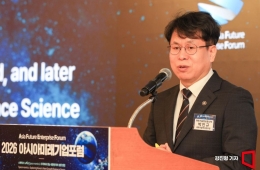
Kim Hakrin, Chairperson of the Citizens’ Panel Steering Committee, stated, “The issues of regional and essential healthcare are not simply the concerns of a particular group, but are challenges that all citizens must consider together,” and added, “This public discussion will be a meaningful opportunity for citizens to seek the direction and solutions for healthcare innovation together through thorough deliberation.”
© The Asia Business Daily(www.asiae.co.kr). All rights reserved.