[College Students in Crisis] ④ The Temptation of Drugs Approaches Amid Isolation
6,913 Drug Offenders in Their 20s... 54% Increase in Five Years
Turning to Drugs Amid Depression and Loneliness
Belief That "Drugs Help Achieve Desired Emotions"
Administrative and Financial Limitations Despite Intensive Crackdowns Around U
Last year in Busan, a university student referred to as Mr. A was handed over to the prosecution for repeatedly smuggling and using narcotic drugs. Mr. A attempted to overdose on narcotics for their hallucinogenic effects, smuggling a total of 2,188 pills across 17 separate occasions. Even on the day he returned home after a customs investigation, he demonstrated such severe addiction that he could not resist the urge and ordered narcotic drugs again. The number of university students addicted to drugs like this is rapidly increasing.
According to the Supreme Prosecutors’ Office as of May 12, the number of drug offenders in their 20s, including university students, rose from 4,493 in 2020 to 6,913 last year, marking a 54% increase over five years. During the same period, the total number of drug offenders grew from 18,065 to 23,402, with the surge in offenders in their 20s being a significant contributing factor.
![[College Students in Crisis] ④ The Temptation of Drugs Approaches Amid Isolation](http://www.asiae.co.kr/news/img_view.htm?img=2026051208214358548_1778541703.jpg)
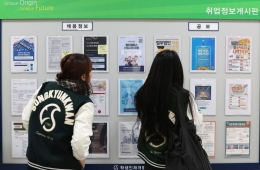
The rise in university student drug offenders can be attributed to students' feelings of depression and loneliness caused by difficulties in finding employment and economic hardship. In the “2024 Nationwide University Student Mental Health Survey” conducted by the Korea University Student Counseling Center Council, 43.5% of students were identified as being at risk of depression.
Amidst this emotional vulnerability, some students harbored the misconception that drugs enhance happiness and allow them to experience desired feelings. In fact, in the “2024 University Student Drug Use Survey” conducted by the Ministry of Food and Drug Safety at select universities, the perception that “drugs provide various benefits” was confirmed. On a 7-point scale, the average perception among university students that drugs are beneficial was 4.3. There were also responses stating that drugs “improve mood,” “help relieve stress,” and “do not harm others.”
The ease with which adult university students can share information about drugs has also played a role. According to the National Office of Investigation of the Korean National Police Agency, from August last year to January this year, the number of individuals caught purchasing drugs online reached 3,020. This is an increase of 912 people (43.3%) compared to 2,108 during the same period the previous year, and those in their teens to thirties—who are familiar with online environments—accounted for 67.2% of the total.
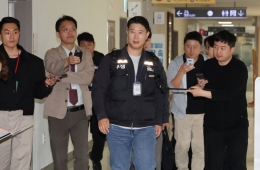
The drug club “Kkanbu,” formed mainly by students from prestigious universities in 2024, shared similar perceptions. These individuals sold and used drugs at club events held in high-end hotels and clubs, sometimes inviting non-members to participate. Student B, who was not a member, tried to purchase drugs from other members after the club president was arrested.
This is why joint task forces conduct intensive crackdowns around university districts every year. This year, the Seoul Metropolitan Government, together with autonomous districts, police, and universities, launched inspections of drug distribution near campuses to coincide with the start of the semester. In university areas with many multi-family residences, the task force found that air conditioner outdoor units, meter boxes, and circuit breakers, which are often exposed, are frequently used in the so-called “throwing” method, where drugs are left in specific locations for pickup.
Experts have called for establishing specialized counseling systems at each university. The system should ensure that universities take responsibility for blocking access to drugs through education, as well as for treatment and relapse prevention after addiction. Among universities in Seoul, it is difficult to find institutions that specialize in drug addiction prevention and rehabilitation. The Ministry of Food and Drug Safety only distributed a standard drug prevention education and counseling manual for use by student counseling centers in universities four months ago.
The main issue is funding. Most universities lack sufficient financial resources to expand counseling centers, so they typically provide various types of counseling at once. A counselor at a university in Seoul explained, “Gambling and drug addiction are spreading on campuses, but in order to operate a system that handles both treatment and rehabilitation, we need sufficient staff and funding to run a separate organization. In reality, minimizing access through education or campaigns is currently the top priority.”
Heeseon Jung, Distinguished Professor of Forensic Science at Sungkyunkwan University (former advisor to the United Nations Office on Drugs and Crime), said, “In the case of university student drug addiction, it often begins and spreads within campus groups. Therefore, universities must establish professional counseling, treatment, and management systems. If the problem is with funding or related support systems, universities should consider directly training and utilizing relevant experts.”
Hot Picks Today
!["Those Who Hesitated at 3,000 Still Haven't Bought" 7 Trillion-Won Asset Manager Says "Opportunities Remain" [Investment Strategies of the Wealthy] ⑦](https://cwcontent.asiae.co.kr/asiaresize/93/2026050715101553735_1778134216.jpg) "Those Who Hesitated at 3,000 Still Haven't Bought" 7 Trillion-Won Asset Manager Says "Opportunities Remain" [Investment Strategies of the Wealthy] ⑦
"Those Who Hesitated at 3,000 Still Haven't Bought" 7 Trillion-Won Asset Manager Says "Opportunities Remain" [Investment Strategies of the Wealthy] ⑦
- "Why Are My Child's Grades Like This?" Surge in Overprotected, Isolated, and Reclusive University Students [University Students in Crisis] ⑧
- [Breaking] NCSoft Reports Q1 Operating Profit of 113.3 Billion Won... Up 2070% Year-on-Year
- "Don't Come to Work from Tomorrow": Two Million Face Unemployment Crisis...Iran Shaken by War Shock
- "SK hynix Could Reach 2.8 Million Won; Why Securities Firms Are Confident That the Main Chapter of AI Has Not Even Begun Yet [Click eStock]"
If you are struggling with depression or other issues that are difficult to talk about, or if a family member or acquaintance is experiencing such difficulties, you can receive 24-hour counseling from an expert by calling the suicide prevention hotline at 109 or through the 'Madeleine' suicide prevention SNS counseling service.
© The Asia Business Daily(www.asiae.co.kr). All rights reserved.