Seoul National University Hospital and Stanford Succeed in Developing CAR-T Cell Therapy Technology Using Curecell CD5
Overcoming 'Fratricide' by Removing the CD5 Gene
Breaking Through the Limitations of Autologous Therapies with an Off-the-Shelf Approach
Joint Clinical Trials between Korea and the United States Anticipated
Researchers from Seoul National University Hospital and Stanford University in the United States have succeeded in developing a platform technology for allogeneic CAR-T cell therapy using Curecell's CD5 binder technology. This is being evaluated as an approach that can overcome the structural limitations of the conventional autologous method.

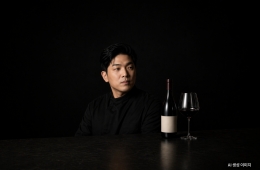
Researchers from Seoul National University Hospital and Stanford University discussed next-generation CAR-T joint research at the event "Frontiers in Genome Editing" held in Korea last September. Seoul National University Hospital
View original imageOn April 24, Seoul National University Hospital announced that the team led by Professors Ko Young-il and Kang Hyeong-jin at the National Strategic Technology Specialized Research Institute had achieved this result through a multi-institutional collaboration with Professor Matthew Porteus’s team at the Center for Cell and Gene Therapy (CDCM) at Stanford University and Curecell. The research findings were presented at the American Association for Cancer Research (AACR 2026) Annual Meeting on April 20.
T-cell lymphoma is a disease with a high unmet medical need, as treatment outcomes are poorer compared to B-cell lymphoma and its incidence rate is higher in Asia. While existing CAR-T therapies have been successfully applied to B-cell lymphoma, there are two fundamental challenges in applying them to T-cell lymphoma. First, because the treatment must eliminate tumors of T-cell origin using other T cells, a phenomenon called 'fratricide,' or mutual attack between normal T cells, occurs during the manufacturing process. Second, since both cancerous and normal T cells are mixed in the patient’s blood, it is technically difficult to isolate only healthy cells using the current 'autologous' approach.
The research team addressed these challenges by producing allogeneic CAR-T cells that have both CD5 and T-cell receptors completely removed using CRISPR gene-editing technology. Instead of lentivirus, they utilized AAV and nanoplasmids, and installed Curecell's CD5 binder to optimize the ability to selectively kill cancer cells. They also eliminated factors that could trigger immune rejection, such as graft-versus-host disease, to ensure safety.
As a result, they confirmed the function of allogeneic CAR-T cells that efficiently eliminate T-cell lymphoma without fratricide. This therapy is prepared in advance using healthy donor cells in an 'off-the-shelf' format, allowing for immediate administration to patients without the need for custom manufacturing or wait times. Its application is also expected to expand to T-cell leukemia.
Seoul National University Hospital and Stanford University plan to manufacture and test clinical-grade CAR-T cells in GMP facilities within this year and to conduct joint clinical trials in Korea and the United States.
Hot Picks Today
 Frozen Meals, Two Hours of Sleep... "I Wish I C...
- The Quoted 800,000 Won, the Bill Was 5 Million... Bereaved Families of 'No-Funer...
- "You Can Only Have This in Korea": Which National Museum Cafe Menu Is Captivatin...
- Tragedy in Luxury Apartment: Woman in Her 20s Found Dead, Suspect Identified
- "Never Hike Alone as a Woman" "Even Two Are at Risk"... Growing Fear of Crime on...
Ko Young-il, Director of the Advanced Bio Center at the Specialized Research Institute, stated, "We have laid the foundation for the development of allogeneic CAR-T therapy that overcomes the limitations of autologous CAR-T for T-cell lymphoma," adding, "We will accelerate follow-up development, including joint clinical trials between Korea and the United States, to ensure this leads to actual patient treatment."
© The Asia Business Daily(www.asiae.co.kr). All rights reserved.