9 out of 10 Adults "Have Experience"... Deemed an Essential Item in the Changing Drinking Culture
More Than 9 Out of 10 Adults Have Tried Hangover Remedies
'Efficacy' Is the Most Important Factor When Choosing a Hangover Remedy
Hangover remedies have become essential items for drinking. Although company dinners have significantly decreased due to economic sluggishness and the spread of work-life balance culture, the popularization of hangover remedies seems to have been driven by the increase in casual drinking cultures such as drinking alone and the expansion of consumer choices with various types of hangover remedies.
According to the ‘2024 Hangover Remedy U&A Survey’ conducted by market research firm Embrain on January 11, targeting 1,000 adult men and women aged 19 to 59 with experience in alcohol consumption, 92.7% of respondents reported having taken hangover remedies.

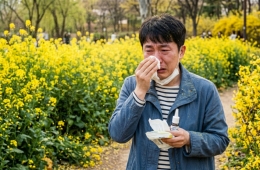
Nine out of ten adult men and women reported having taken a hangover remedy. Getty Images
View original imageFurthermore, there is a high awareness that hangover remedy products and formulations are becoming more diverse (81.5% agreement rate), and more than half (55.5%) of respondents felt that many peers take hangover remedies before and after drinking, indicating that many consumers are experiencing the popularization of hangover remedies. Additionally, 61.5% of respondents highly agreed that hangover remedies are popular due to the recent spread of moderate drinking culture.
Among types of hangover remedies, liquid (beverage) forms were the most commonly used (80.1%, multiple responses allowed), followed by pill forms (58.2%) and jelly/gel forms (46.2%). Similar results were found in preferred hangover remedies, with beverage (liquid) forms at 78.7%, pill forms at 46.4%, and jelly/gel forms at 41.4%. Notably, younger age groups showed a stronger preference for jelly/gel type hangover remedies.

When purchasing hangover remedies, consumers primarily considered ‘hangover relief effectiveness’ (65.2%) as the most important factor, followed by discount promotions (38.2%), purchase location (35.5%), and price (35.2%). This indicates that not only the actual efficacy of the product but also reasonable pricing and purchase convenience significantly influence product choice.
Hangover remedies tend to be purchased selectively depending on the situation rather than taken every time there is a drinking occasion. Among those with experience using hangover remedies, 59.5% took them in situations requiring heavy drinking such as company dinners, and 47.0% took them when they had schedules like going to work the next day. In contrast, only 21.8% reported taking hangover remedies even without special plans. Additionally, a considerable portion (47.8%) tended to take hangover remedies only when the hangover was severe rather than preemptively, suggesting that consumption is more situational based on perceived need rather than habitual.

In fact, the majority (87.1%) reported purchasing hangover remedies individually according to the situation, and perhaps for this reason, convenience stores with easy accessibility accounted for an overwhelming 83.5% of purchase locations. Notably, younger age groups were more likely to take hangover remedies before drinking (20s: 42.1%, 30s: 43.2%, 40s: 36.2%, 50s: 28.5%) and to share hangover remedies with others at drinking gatherings (20s: 30.5%, 30s: 32.0%, 40s: 26.3%, 50s: 15.8%) compared to other age groups. This is a remarkable finding, as these generations tend to place greater emphasis on health and self-care, indicating that hangover remedies, which help with condition recovery, have become a familiar part of their drinking culture.
Hot Picks Today
 "You Can Only Have This in Korea": Which Nation...
- "I Just Want to Sleep": Prime Minister Takaichi's Struggles?Frozen Meals, Two Ho...
- Iran Begins Collecting Hormuz 'Transit Fee' in Cash, Not Cryptocurrency
- This Is Truly "Unbelievable Stories"... Went to Renew License, Flagged as Identi...
- "This Has Never Happened to Me in Korea"... Gwangjang Market Stall That Charged ...
Overall, trust in the effectiveness of hangover remedies was also high. 51.8% of respondents agreed that it would be good to take hangover remedies even when not drinking excessively, and 44.3% believed that they would help liver health. Accordingly, about half of all respondents (48.9%) expressed willingness to take hangover remedies on special occasions requiring heavy drinking, and those who frequently experience hangovers were more likely to say they would take them whenever they drink.
© The Asia Business Daily(www.asiae.co.kr). All rights reserved.