Hong Nam-ki "Extension of Fuel Tax Cut Inevitable... Actively Considering Raw Material Tariff Reduction"
Hong Nam-ki Visits Ulsan Petroleum Reserve Base... Checks Domestic Oil Supply, Reserve Trends, and Release Plans

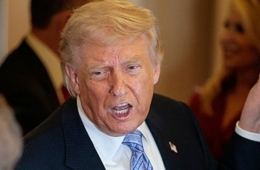
Hong Nam-ki, Deputy Prime Minister and Minister of Economy and Finance, is speaking while presiding over the 39th Real Estate Market Inspection Meeting held at the Government Seoul Office in Jongno-gu, Seoul, on the morning of the 23rd.
View original image[Asia Economy Sejong=Reporter Kwon Haeyoung] Deputy Prime Minister and Minister of Economy and Finance Hong Nam-ki said on the 23rd, "We will actively consider extending the reduction measures on fuel tax and liquefied natural gas (LNG) tariff quotas, which are scheduled to end at the end of April, as well as expanding the scope and rate of reduction for raw material tariff quotas."
On the afternoon of the 23rd, Deputy Prime Minister Hong visited the Ulsan oil reserve base to inspect the domestic oil supply and stock status and the emergency release plan. He stated, "Domestic oil prices are rising due to the increase in international oil prices, which is increasing the energy cost burden on ordinary citizens."
He continued, "If the recent upward trend in international oil prices continues into March, extending the reduction measures on fuel tax and LNG tariff quotas will be inevitable," adding, "We will decide on the extension during March."
International oil prices have surged to the $90 per barrel range, the highest in seven years since 2014, due to increased demand from economic recovery, supply disruptions including delayed production capacity recovery by the Organization of the Petroleum Exporting Countries Plus (OPEC+), and overlapping geopolitical risks among oil-producing countries such as the Russia-Ukraine conflict.
Deputy Prime Minister Hong emphasized, "Currently, domestic crude oil imports are stable, and the stockpiled quantities have sufficient capacity to respond to uncertainties in the domestic oil market."
Refineries are stably importing about 80 million barrels of crude oil per month on average to meet domestic demand, of which only 5.6% is Russian crude oil. The government's oil reserves amount to approximately 97 million barrels, about 118% of the International Energy Agency's recommended stockpile (90 days), capable of covering 106 days of domestic demand without additional external imports. Furthermore, in accordance with the joint release decision of strategic reserves by allied countries including the United States to curb the sharp rise in international oil prices, 3.17 million barrels have been steadily released from January to March this year, and preparations are in place for domestic release if the domestic supply situation worsens.
Hot Picks Today
 "Buy on Black Monday"... Japan's Nomura Forecasts 590,000 for Samsung, 4 Million for SK hynix
- "Plunged During the War, Now Surging Again"... The Real Reason Behind the 6% One-Day Silver Market Rally [Weekend Money]
- "We're Now Earning 10 Million Won a Month"... Semiconductor Boom Drives Performance Bonuses at Major Electronic Component Firms
- UAE Barakah Nuclear Power Plant Hit by Drone Attack, Fire Erupts... IAEA: "No Radiation Leak"
- Experts Are Already Watching Closely..."Target Stock Price 970,000 Won" Now Only the Uptrend Remains [Weekend Money]
Deputy Prime Minister Hong said, "Energy price and supply instability are intensifying, and the Russia-Ukraine conflict may cause further increases in international oil prices and affect supply and demand." He urged, "Thoroughly review the emergency supply response plan, identify any import disruptions, initiate alternative imports if necessary, and be fully prepared to immediately release stockpiled oil in case of deterioration in domestic oil supply."
© The Asia Business Daily(www.asiae.co.kr). All rights reserved.