Morgan Stanley "China's Economy to Rebound This Year... 5.5% Growth Rate"

[Asia Economy Reporter Yujin Cho] This year, China's economy is expected to grow by 5.5% due to the adoption of an accommodative monetary policy.
On the 2nd (local time), according to the US financial media CNBC, the American investment bank Morgan Stanley forecasted that China's economy will recover from a 'mini recession' and turn upward this year. The 5.5% growth forecast is slightly higher than the market expectation of 5%.
Morgan Stanley cited the recent adoption of accommodative monetary policies by Chinese authorities, which halted previous debt reduction efforts, as the main factor behind the optimistic outlook.
Last year, aggressive debt reduction efforts centered on the real estate market led to an estimated 10 percentage point drop in the debt-to-GDP ratio.
Additionally, Morgan Stanley noted signs of stabilization in the real estate market due to the readjustment of real estate policies.
For example, banks have been instructed to increase mortgages and lower loan interest rates, and some regions have eased restrictions on real estate purchases.
In the second half of last year, Chinese authorities induced debt reduction in the real estate sector through policies such as the 'three red lines,' which caused real estate developers including Evergrande to fall into default one after another.
Furthermore, the excessive energy policies and power consumption reduction targets that caused last year's energy crisis are expected to be readjusted this year, which is also seen as a positive factor for China's economic growth.
Morgan Stanley stated, "As the coal shortage became apparent, policymakers intervened quickly and effectively," adding, "As a result, energy targets will be reset at a reasonable level this year."
Finally, a favorable global trade environment this year is expected to promote trade growth.
Hot Picks Today
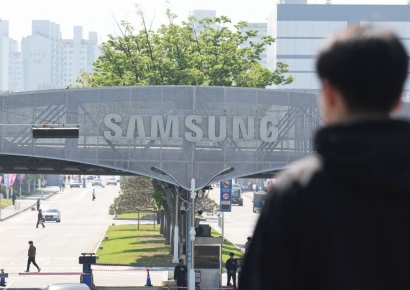 In the End, Even Wafer Pods Were Removed Over Fears of a Strike... Samsung Electronics Enters 'Emergency Mode'
- No Bacteria Detected in Arisu After 24 Hours of Repeated Drinking from a Tumbler
- "Available Only in Korea": Pokémon Card Prices Surge 2,532% Due to Rarity, Becoming Investment Assets
- [US-China Summit] Trump Invites Xi Jinping to the White House... Gives Positive Assessment of Summit (Update)
- "Addicted to Uncovering Hidden Value Investing Opportunities"... Korean Stock Fever Sweeps the US
However, it added that risks include the gradual decline in China's share of global trade volume as supply chain crises and bottlenecks caused by the resurgence of COVID-19 normalize.
© The Asia Business Daily(www.asiae.co.kr). All rights reserved.