[Book Sip] 'Sseuseuro Moksimeul Kkeutyeotda'... Stories of Those Left Behind
Some sentences encapsulate the entire content of the book itself, while others instantly reach the reader’s heart, creating a connection with the book. We introduce such meaningful sentences excerpted from the book. - Editor’s note
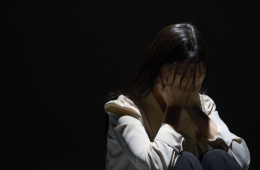
This book was created by a suicide bereavement counseling expert and five bereaved individuals. It covers stories from the ‘day’ the deceased left, the funeral, obituary announcements, the feelings of those searching for the reasons behind the death, wills, belongings, and guilt. It also addresses how to handle the traces left by the deceased in the digital world and what true mourning means. Rather than simply listing testimonies, it adds interpretation. It uncovers hidden meanings in the testimonies and provides counseling and advice for complete mourning. For reference, the average daily number of suicides in Korea is 36.1.
![[Book Sip] 'Sseuseuro Moksimeul Kkeutyeotda'... Stories of Those Left Behind](http://www.asiae.co.kr/news/img_view.htm?img=2021111907002327240_1637272823.jpeg)
Many suicide bereaved people I have met had never once thought of suicide or losing someone to suicide as a life event that could happen in their own lives. They consistently believed that suicides experienced by others occurred under special circumstances with sufficient reasons. Situations like those dramatic, extreme choices reported in news or articles?such as severe mental illness, tremendous trauma, unbearable economic hardship, or the presence of a villain who drove the deceased to death. Therefore, they thought there was no ‘sufficient reason’ they could understand for the deceased’s death, and that caused them pain.
Deciding whether to say that the deceased ‘took their own life,’ how much to disclose if so, and to whom to disclose it, is one of the most difficult issues. Sometimes, even within family members, the cause of death and circumstances are kept secret from someone, often elderly family members or young children. It is not necessary to reveal and explain the cause of death to everyone around the bereaved.
Suicide bereaved people often complain of symptoms they have never experienced before from that day onward. We are greatly shocked by an unexpected, traumatic, and overwhelming event. Our brain releases stress hormones wildly, preparing our body and mind to cope with this stressful situation. Suddenly, anger may surge and feel like it will explode, or we may wish that what we heard and saw is not real. Anxiety, fear, and a dazed feeling as if all senses have suddenly shut down also fall into this category. Physical symptoms such as feelings of impending panic attacks, shortness of breath, dizziness, as well as changes in sleep and eating patterns accompany these. The human fight-flight-freeze response to stress is a perfectly normal reaction and can be experienced by anyone facing an unbearable event. It is the way our body and mind choose to cope for survival.
Hot Picks Today
!["Rather Than Endure a 1.5 Million KRW Stipend, I'd Rather Earn 500 Million in the U.S." Top Talent from SNU and KAIST Are Leaving [Scientists Are Disappearing] ①](https://cwcontent.asiae.co.kr/asiaresize/93/2026051414165763158_1778735817.jpg) "Rather Than Endure a 1.5 Million KRW Stipend, I'd Rather Earn 500 Million in the U.S." Top Talent from SNU and KAIST Are Leaving [Scientists Are Disappearing] ①
"Rather Than Endure a 1.5 Million KRW Stipend, I'd Rather Earn 500 Million in the U.S." Top Talent from SNU and KAIST Are Leaving [Scientists Are Disappearing] ①
- "Most Americans Didn't Want This"... Americans Lose 60 Trillion Won to Soaring Fuel Costs
- "It's Only May, but Convenience Stores Know... Iced Americano at 24°C, Tube Ice Cream at 31°C: The Thermometer of the Summer Sales Boom"
- Mother of Three Gang-Raped on Bus in India... Outrage as Bus Driver Implicated
- "I Hated Myself as Much as I Craved It"... Even a Mother's Tears and Brilliant Dreams Were Shattered [ChwiYakGukga] ⑦
(Written by Go Seon-gyu / Published by Hankyoreh Publishing)
© The Asia Business Daily(www.asiae.co.kr). All rights reserved.