Grocery Prices, Rent, Electricity Bills... Inflation Impacting Livelihoods to Rise in Q4 as Well
Statistics Korea September Consumer Price Trends... Inflation Rate Expected to Soar Above 2% Annually for the First Time in 9 Years

[Sejong=Asia Economy Reporter Son Seon-hee] The consumer price inflation rate has significantly exceeded 2% for six consecutive months, increasing the likelihood that this year's inflation rate will also rise above 2%. The major factors were price increases across the board, including food, transportation, and rent. The overall inflation rate for the third quarter (July to September) reached 2.6%, marking the highest quarterly rate since the first quarter of 2012 (3.0%). If the annual inflation rate surpasses 2%, it will be the highest in nine years since 2012. The government's forecast that prices would stabilize in the second half of this year has also been off the mark, intensifying the economic hardships faced by the public.
According to the consumer price trends released by Statistics Korea on the 6th, the consumer price index for September was 108.83 (2015=100 basis), up 2.5% compared to the same month last year. The consumer price index has shown a 2% range increase for six consecutive months since recording 2.3% in April. The last time the inflation rate stayed in the 2% range for more than six consecutive months was June 2012.
Prices of agricultural, livestock, and fishery products such as eggs and pork rose by 3.7%. Among the government's key price management items, egg prices surged by 43.4% compared to the same period last year. Although the increase in agricultural, livestock, and fishery product prices narrowed compared to the previous month, it was insufficient to curb the overall inflation trend.
Fuel prices, including gasoline and diesel, rose by over 20%, pushing industrial product prices up by 3.4%. Prices for electricity, water, and gas remained the same as the same period last year, while service prices such as jeonse (long-term lease) and apartment management fees increased by 1.9%. The core inflation rate (excluding agricultural products and petroleum) rose by 1.9%, marking the highest increase in 5 years and 5 months since April 2016 (1.9%). Among housing costs, jeonse rose by 2.4%, the highest increase since November 2017 (2.6%). Monthly rent also increased by 0.9%, the largest rise since July 2014 (0.9%).
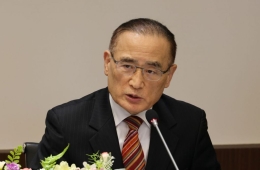
Oh Woon-seon, Director of Economic Trend Statistics at Statistics Korea, said, "The rise in processed food prices is driving the consumer price inflation rate to maintain a mid-2% upward trend," adding, "With upward factors such as rising international oil prices and electricity rate hikes prevailing, there are concerns that the upward trend will continue into the fourth quarter."

◆Prices to rise in the fourth quarter as well= With the inflation rate exceeding 2% over the past six months, it is expected that the government's annual inflation management target will also be surpassed. As of last month, the year-on-year cumulative inflation rate already reached 2.0%, achieving the target. When the inflation rate first entered the 2% range in April this year, the government had forecasted that prices would stabilize in the second half of the year. This forecast was based on efforts to manage agricultural, livestock, and fishery product prices and expectations of a decline in international oil prices. Additionally, considering that the inflation rate in the second quarter of last year was between -0.3% and 0.1%, lower than the third quarter (0.3% to 1.0%), there was hope that the third quarter's inflation rate this year would be lower due to the base effect.
However, contrary to government predictions, inflation is likely to continue into the fourth quarter. Electricity rates will increase starting next month. Price hikes in processed foods and industrial products, such as milk price increases, are also contributing factors. In addition to the increased demand during last month's holiday season, the COVID-19 relief payments provided to about 90% of the population are also considered factors driving inflation. Global supply chain disruptions and expanding international oil price increases continue to exert inflationary pressure worldwide.
Hot Picks Today
 "Now Our Salaries Are 10 Million Won a Month" Record High... Semiconductor Boom Drives Performance Bonuses at Major Electronic Component Firms
- Experts Already Watching Closely..."Target Price Set at 970,000 Won" Only Upward Momentum Remains [Weekend Money]
- "Heading for 2 Million Won": The Company the Securities Industry Says Not to Doubt [Weekend Money]
- Did Samsung and SK hynix Rise Too Much?... Foreign Assets Grow Despite Selling [Weekend Money]
- "Chanel Open Run? I Get a Free Pass"... The World of the Top 0.1% That Money Alone Can't Enter [Luxury World]
The Ministry of Economy and Finance stated, "The consumer price inflation rate is expected to expand further in October," and added, "We will make every effort to stabilize prices in the fourth quarter."
© The Asia Business Daily(www.asiae.co.kr). All rights reserved.