"More Subsidies Only with Unions"... US House Proposal Puts Korean Auto Industry in a Dilemma
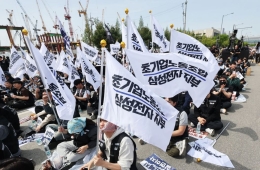
[Asia Economy Reporter Changhwan Lee] The U.S. House of Representatives is pushing a bill to provide additional subsidies only for electric vehicles manufactured in factories with labor unions in the United States, sparking fairness controversies locally.
If the bill passes, foreign automakers such as Korean, Japanese, and German car companies without unions in their U.S. factories will not be able to receive the benefits, leading to backlash.
According to industry sources on the 14th, the U.S. House Ways and Means Committee is scheduled to vote on a bill that primarily offers an additional $4,500 tax credit for eco-friendly vehicles produced in factories affiliated with the United Auto Workers (UAW) union.
Currently, a uniform $7,500 tax credit applies to electric vehicles made by all manufacturers in the U.S., but if this bill passes, the Big Three U.S. automakers?GM, Ford, and Stellantis?with UAW-affiliated production plants will receive additional subsidy benefits.
On the other hand, Korean and Japanese automakers, including Tesla, which have manufacturing plants in the U.S., will not receive the additional benefits.
Some companies are strongly opposing this. Japanese automakers Toyota Motor Corporation and Honda Motor Company immediately issued statements claiming that "the House bill's push discriminates against American auto workers without unions."
Hyundai Motor Company and Kia are not responding immediately but are reportedly closely monitoring the situation as they could be adversely affected if the bill passes.
Hot Picks Today
 No Bacteria Detected in Arisu After 24 Hours of Repeated Drinking from a Tumbler
- "I Feel Uncomfortable Being Filmed"... Cheerleaders Distressed by Commercial Fan Cam Practices
- FSS: "Driver Insurance Must Pay Criminal Settlement Funds for Grade 1-3 Injury Traffic Accidents"
- "Not Just Fuel Prices: Whale Collision Risks Surge as Hormuz Blockade Reroutes Ships"
- Police Officer Cycling on Day Off Rescues Woman Attempting to Jump from Hangju Bridge
An industry official said, "This bill appears to be pushed to protect domestic automakers," adding, "If the bill passes, foreign companies are likely to suffer damages."
© The Asia Business Daily(www.asiae.co.kr). All rights reserved.