[2020 National Audit] Many Remote Medical Treatments for Residents of Ganghwa and Ongjin, Incheon... Heo Jong-sik "Strengthening Primary and Public Healthcare Functions"
Strengthening Primary Care Utilization Rate 37.2%, Ongjin 21.9%

[Asia Economy Reporter Park Hyesook] It has been identified that 6 to 7 out of 10 residents in Ganghwa and Ongjin counties of Incheon seek medical treatment for mild illnesses at medical institutions in neighboring cities or provinces rather than their own residential areas, effectively receiving 'medical tourism.'
Accordingly, there are calls to strengthen the functions of primary medical institutions and public medical institutions to bridge the healthcare gap between regions.
According to data received on the 18th from the National Health Insurance Service by Democratic Party lawmaker Heo Jongsik (Incheon Dong-gu·Michuhol-gu Gap), as of last year, the utilization rates of primary medical institutions within Ganghwa and Ongjin counties were only 37.2% and 21.9%, respectively.
Despite not having severe symptoms requiring hospitalization, 60-70% of residents choose medical treatment outside their local clinics and public health centers (health branches).
Among 212,475 Ganghwa residents who visited primary medical institutions, 90,306 (42.5%) received treatment at primary medical institutions in the Incheon area (excluding Ganghwa County), and 43,205 (20.3%) visited primary medical institutions in Seoul, Gyeonggi, or other regions.
The health insurance fees paid for medical tourism to primary medical institutions amounted to 25.469 billion KRW (17.537 billion KRW in Incheon + 7.932 billion KRW in Seoul, Gyeonggi, and other areas). Including non-reimbursable expenses, the expenditure is expected to be even higher.
The outflow phenomenon is even more severe in Ongjin County. Only 11,462 residents (21.9%) visited primary medical institutions within Ongjin County. The remaining 26,117 (49.8%) received treatment at primary medical institutions in Incheon (excluding Ongjin County), and 14,842 (28.3%) visited primary medical institutions in Seoul, Gyeonggi, or other regions.
The health insurance fees paid for medical tourism to primary medical institutions amounted to 6.931 billion KRW (4.764 billion KRW in Incheon + 2.167 billion KRW in Seoul, Gyeonggi, and other areas).
According to the Ministry of Health and Welfare, Ongjin County is also recognized as the only vulnerable area for childbirth in the metropolitan area.
Hot Picks Today
 "Samsung and Hynix Were Once for the Underachievers"... Hyundai Motor Employee's Lament
- KOSPI Plunges After Hitting 8000; When Will the Rebound Come?
- "They Said It's Impossible to Get—Already Selling for Triple the Price: Crowds Worldwide Line Up for $600 Luxury Watch"
- "Children Should Be Cared for at Home by Their Mother"...Opinion Reversed for the First Time in 18 Years
- "That? It's Already Stashed" Nightlife Scene Crosses the Line [ChwiYak Nation] ③
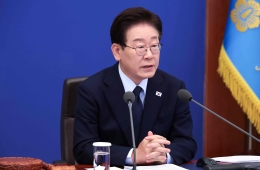
Lawmaker Heo Jongsik emphasized, "If the functions of primary medical institutions are not strengthened, it will be difficult to resolve issues such as the collapse of the medical delivery system exemplified by medical tourism. Since medical institutions, which are expected to have low profitability, are unlikely to invest in deploying excellent personnel in Ganghwa and Ongjin areas, policies to expand public medical institutions should be pursued to eliminate healthcare disparities between regions."
© The Asia Business Daily(www.asiae.co.kr). All rights reserved.