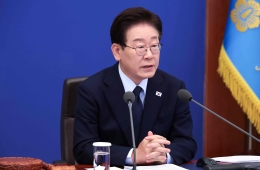
Assemblyman Yongbin Lee: "Broadcasting Terms Overusing Neologisms and Abbreviations Must Be Regulated"

[Asia Economy Honam Reporting Headquarters Reporter Yoon Jamin] As the 574th Hangeul Day approaches, there are concerns that the indiscriminate use of newly coined words, abbreviations, and buzzwords in broadcasting programs is damaging the Korean language, and active sanctions are needed.
According to data from a language monitoring conducted by the Korea Communications Standards Commission from 2019 to May 2020, presented by Representative Lee Yong-bin on the 8th, inappropriate language such as Ipdeok (入+otaku: deeply immersed in a certain field), TMI (too much information), Jjwapjjwap (sound of eating, expressing smacking sound), and ~kkangpae (a newly coined word used to point out excessive or extreme traits) were openly used in many broadcasting programs.
This issue is more serious as such language is used without hesitation not only in dramas and entertainment programs but also in some general programming news talk shows where proper language use is expected to enhance credibility, according to Representative Lee.
Despite Hangeul being globally recognized for its originality and excellence, it is being neglected while obscure languages are used in broadcasts watched by the entire nation. However, the Korea Communications Standards Commission has mostly issued recommendations citing production autonomy and creativity.
Newly coined words used in broadcasting programs included Ipdeok (入+otaku: deeply immersed in a certain field), Dochek (Do Kyung-wan + Juchaeck), Bagaji, Momsherry (body shiver + luxury), Probulpeonreo (pro + uncomfortable person: someone who is sensitive and negative about everything), Haek-inssa (a compound of ‘haek’ meaning big and ‘insider’ meaning a person who fits in well). Abbreviations such as Sejelgwi (cutest in the world), Kkilkkippappa (join when you should, leave when you should), Gabtuktyu (suddenly popping out), Kkamnol (surprised), and TMI (too much information) were also frequently used.
Additionally, buzzwords like Pposiraegi (a Jeolla dialect word for crumbs, meaning small and cute like crumbs), Simkung (heart pounding from surprise or excitement), Oguogu (a cute expression used to soothe a child), Heungchitppung (a buzzword expressing sulking), as well as words that may cause discomfort to others such as ~kkangpae (used to point out excessive traits), Gwansimjongja (a person who tries hard to get attention), Ddongson (a person unlucky in everything), and Meongchungssu (a person lacking knowledge or clumsy) were broadcast without much concern during monitoring.
Article 6, Paragraph 8 of the Broadcasting Act states that "Broadcasting should contribute to the spread of standard language and strive for language purification."
Clear guidelines on language use in broadcasting programs and active sanctions such as raising penalty levels during language review decisions are required.
Hot Picks Today
 "Samsung and Hynix Were Once for the Underachievers"... Hyundai Motor Employee's Lament
- After Topping 8,000 Instead of Hitting 10,000... KOSPI Plunges—When Will It Rebound?
- "They Said It's Impossible to Get—Already Selling for Triple the Price: Crowds Worldwide Line Up for $600 Luxury Watch"
- SK hynix Tops “Best Large Companies to Work For” Ranking Based on Employee Review Data
- "That? It's Already Stashed" Nightlife Scene Crosses the Line [ChwiYak Nation] ③
Representative Lee said, “Indiscriminate coinage, abbreviations, derogatory, mocking, discriminatory, and hateful expressions are not something that should be guaranteed absolute autonomy or considered creative,” adding, “Broadcasting companies should pay more attention to fulfilling their public responsibility for language purification, and the Korea Communications Standards Commission should impose sanctions if these rules are violated.”
© The Asia Business Daily(www.asiae.co.kr). All rights reserved.