"No End in Sight"... From COVID Blue to Angry Outburst
Prolonged COVID-19 Pandemic Leads to Depression and Anger
Over 400,000 Consultations Related to National Trauma Center

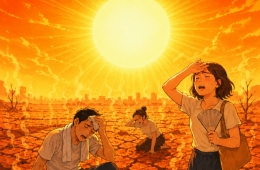
[Asia Economy Reporters Byungdon Yoo, Jeongyun Lee] Lee Youngjin (29, pseudonym), who started working from home after the implementation of social distancing level 2.5. At first, she welcomed it because she could save commuting time and check the stock market during breaks, but after the fifth day of working from home, a sense of lethargy overwhelmed her. Due to social distancing level 2.5, she could no longer use her frequently visited franchise cafes, and restaurants were also unavailable during late hours. She said, "Since there is a high concern about the resurgence of COVID-19, I am refraining from going out," adding, "Because I only order delivery food and my living radius is limited to my home, each day feels meaningless."
On the 5th, as the prolonged impact of the resurgence of the novel coronavirus infection (COVID-19) continues, more people across society are complaining of 'Corona Blue' (depression or lethargy caused by major changes in daily life due to the spread of COVID-19).
These symptoms appear in various ways throughout society. Freshmen who entered university but have not experienced campus life due to remote classes, so-called "Corona class," are representative examples. Likewise, couples preparing for marriage are under pressure due to gathering restrictions. Self-employed individuals and small business owners whose livelihoods have become uncertain due to social distancing measures are also affected.
The number of COVID-19-related counseling cases compiled by the National Trauma Center has exceeded 400,000 (as of August 21) since data collection began on February 17 this year. It is analyzed that the number of counseling cases significantly increased after the second wave began following Liberation Day. The frustration caused by restrictions on outings and gatherings due to social distancing level 2.5, anxiety about possible COVID-19 infection, and the uncertainty about when this situation will end seem to be complex contributing factors.
This Corona Blue is ultimately leading to expressions of anger. Accordingly, the term 'Corona Angry' has newly emerged. It originated from anger over certain churches holding gatherings and continuous drinking parties despite requests from quarantine authorities to refrain from assemblies or meetings.
Hot Picks Today
 "Samsung and Hynix Were Once for the Underachievers"... Hyundai Motor Employee's Lament
- Samsung Enterprise Labor Union: "We Respect Court’s Injunction Decision... General Strike to Proceed on the 21st as Planned"
- "Was This Delicious Treat Enjoyed Only by Koreans?"... The K-Dessert Captivating Japan
- [Exclusive] With Budget Safeguard Gone, Digital Learning Center May Be Reduced or Disappear in Financially Weaker Local Governments
- "That? It's Already Stashed" Nightlife Scene Crosses the Line [ChwiYak Nation] ③
Professor Donggwi Lee of Yonsei University’s Department of Psychology said, "When policies that restrict behavior, such as social distancing, are irregularly strengthened and weakened, anxiety arises, which can manifest as depression or anger," advising, "The government should provide predictable signals that distancing policies can be maintained in the mid to long term to reduce public anxiety."
© The Asia Business Daily(www.asiae.co.kr). All rights reserved.