"Please take me with you."
[College Students in Crisis]
Isolation, Depression, Financial Hardship...
Pushed to the Brink
'Every Man for Himself', 'Survival Competition'
"Should I just die?" "I'm losing my mind."
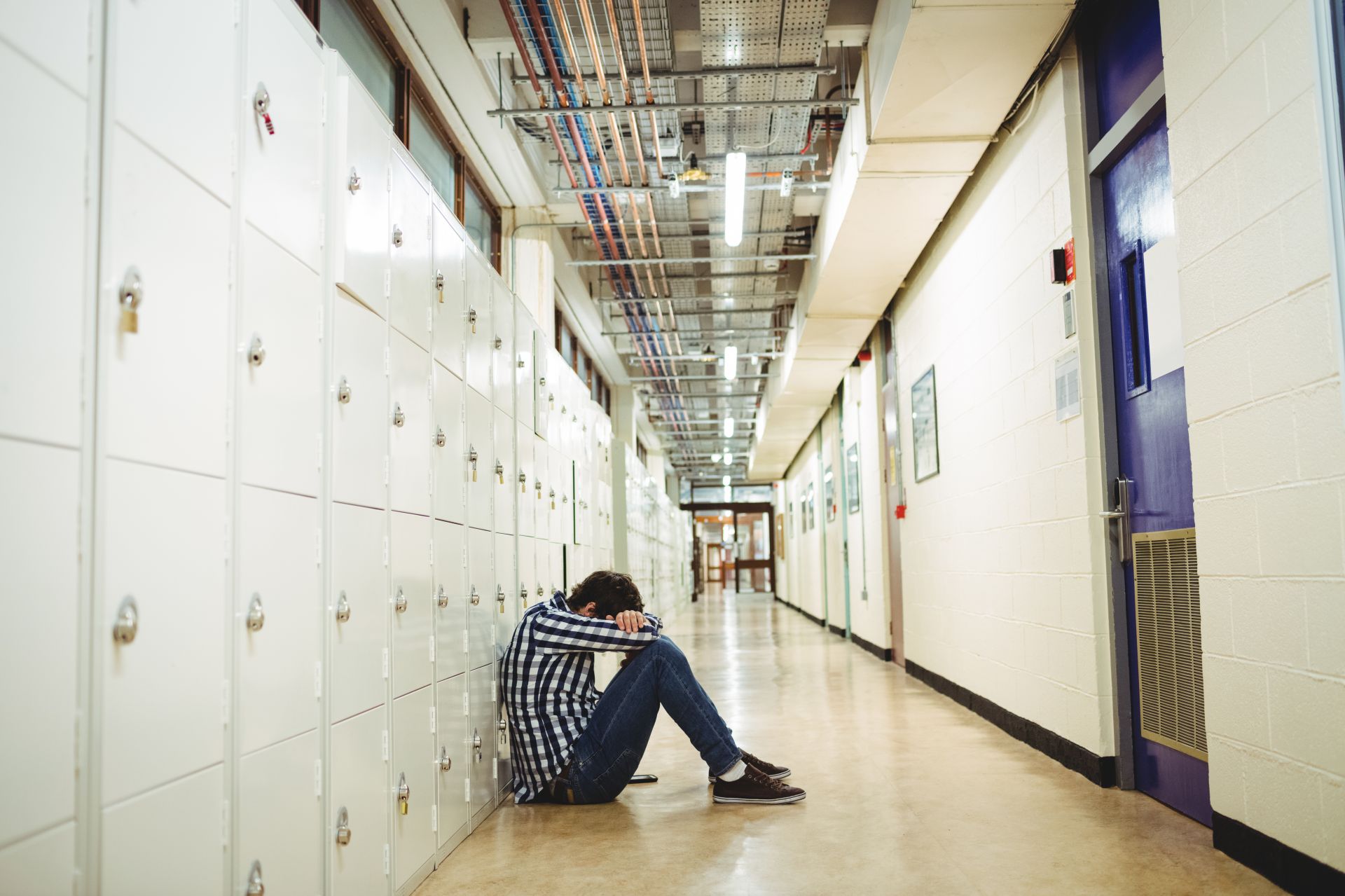
Song, a 23-year-old student at a private university in Seoul, said, "These are the kinds of things my friends always say during exam periods." For him, university was not a pause, but another starting line. Faced with an environment that demanded double majors, extracurricular activities, competitions, and job preparation all at once, he said, "It felt like doing just one thing wouldn't be enough."
The anxiety never faded. As exams approached, it only intensified, but he found it difficult to focus on his studies. It was during this period that he became addicted to his phone.
The pressure to be more competitive than others often led students to take leaves of absence. Song shared, "Nine out of ten of my classmates have taken a break from school." Yet he himself was afraid to take a leave. He said, "If I'm asked in an interview, 'What did you do during your year off?' I feel like I won't have anything to say, so I can't even take a break."
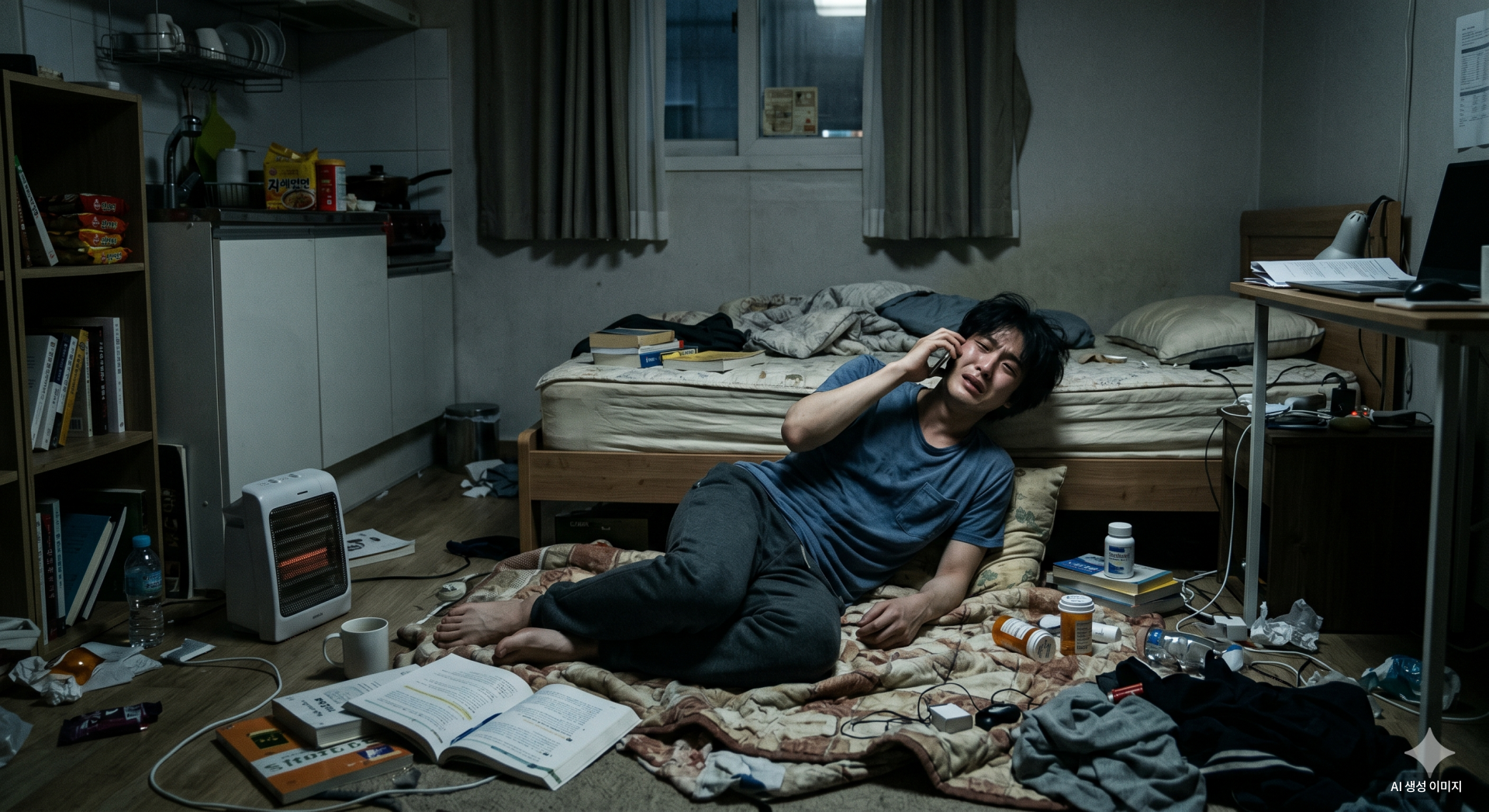
There was nowhere to turn for support during hard times. Having entered university during the COVID-19 pandemic, Song never got to experience freshman orientation. Although his department wasn't large, students had become strangers to each other. The loneliest moments were when he was sick. When he fell ill alone in his rented room, no one knew about his condition. On the day he collapsed from exhaustion, it was Song himself who called the ambulance.
Universities Are 'Every Man for Himself'... Pushed into Survival Competition
Park, a 25-year-old who graduated from a university in the Seoul metropolitan area this February, voiced similar frustrations. University life, which began in 2020, was nothing like he had expected. As his college years overlapped with the COVID-19 pandemic, there were hardly any opportunities to interact with seniors, let alone attend orientation. Leaves of absence and transferring schools only made it harder to feel a sense of belonging.
The most difficult time for Park was his third year, when his major studies became more challenging and he began to seriously question if he was on the right path. At the same time, the pressure to find a job became overwhelming. "It felt like my future would be decided by what I did in a single semester," he said. His classmates spent their time building up various credentials to avoid being seen as someone who "took it easy." However, in reality, only about one in ten managed to land a job immediately after graduation. The constant fear of falling behind due to a wrong choice followed him everywhere. His emotional ups and downs also grew more intense, with sudden bursts of anger and depression.
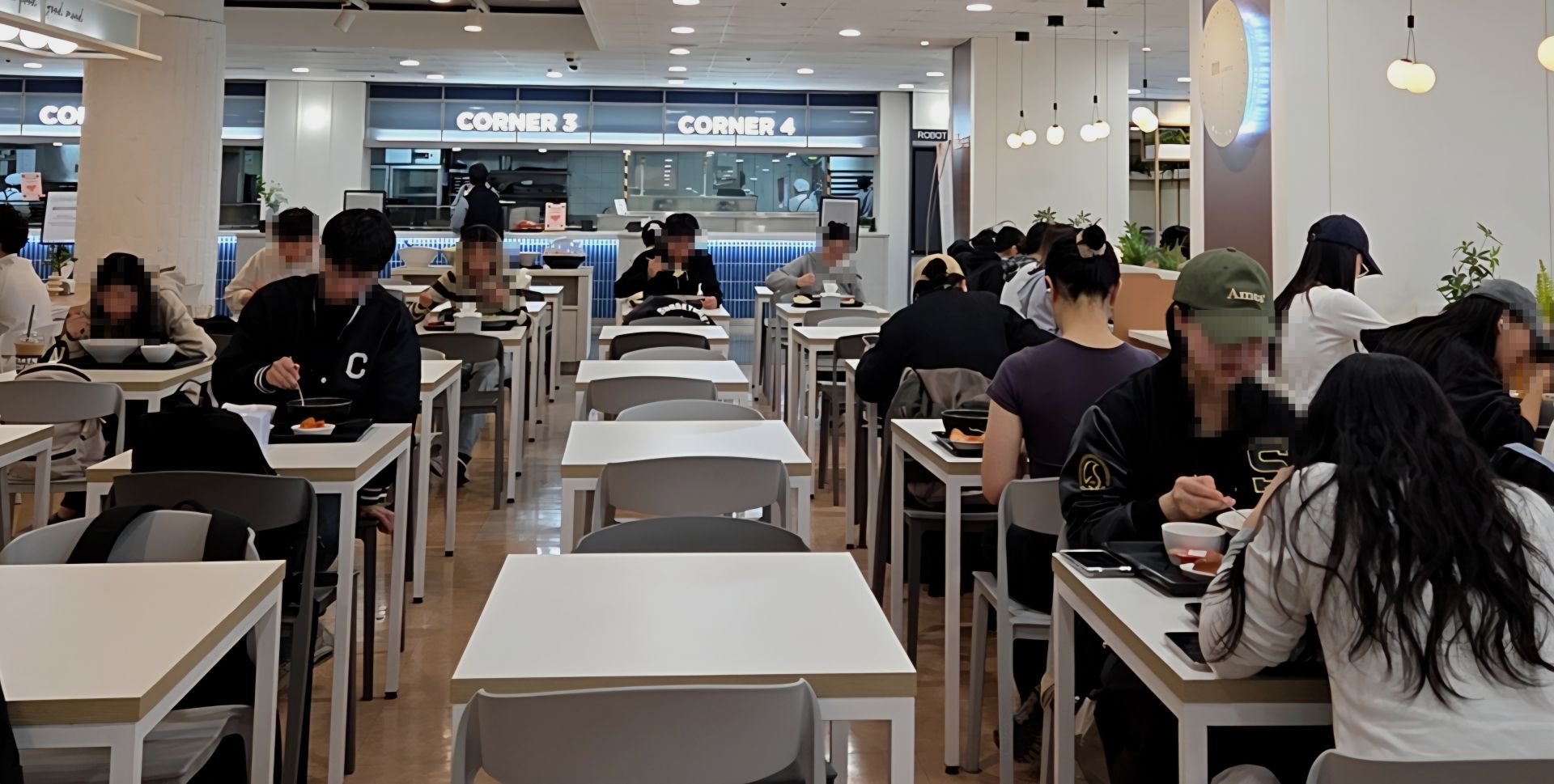
Life was not leisurely either. In addition to tuition fees of around 3.6 million KRW per semester and dormitory fees of 4 million KRW per year, he needed at least 500,000 KRW to as much as 1,000,000 KRW per month for living expenses. He said, "Spending time with friends is also a cost, so I gradually started meeting fewer people." The university did not provide a sufficient safety net. He said, "I often feel like a neglected adult." Park said, "It's not that youth hurts, but it's more anxious because it feels like the pain will continue," adding, "Isolation and withdrawal start in the mid-to-late 20s, so preventive intervention during this period would be beneficial."
"I Want to Die" — The Number of Seoul National University Students Expressing Suicidal Thoughts Has Increased by 50% in Five Years
The crisis among college students is evident in the numbers. Suicide statistics for students at Seoul National University, often considered the pinnacle of academic achievement, illustrate the issue directly.
According to the office of Assemblywoman Kang Kyung-sook on May 11, there have been a total of 43 suicides among undergraduate and graduate students at Seoul National University over the past 20 years, from 2006 to this year, based on the university's own data. Since some families refuse to disclose the cause of death and due to the sensitive nature of the issue, the real number is estimated to be even higher. The recurring nature of student suicides shows that the crisis is not just about individual vulnerability, but a structural problem for college students as a whole.

Warning signs of crisis are also evident in the growing demand for counseling. The number of calls to 'SNU Call,' a suicide prevention counseling hotline for current students at Seoul National University, increased by 50.3% in five years, from 914 cases in 2020 to 1,374 last year. Early intervention cases for students at risk of suicide also rose by 69.4% during the same period, from 36 to 61 cases. The number of students seeking help at the university's psychological counseling center has also steadily increased, with total counseling requests rising by 55.2%, from 598 in 2020 to 928 last year, and the number of psychological assessments jumping by 58.2%, from 1,748 to 2,766.
Analysis of the counseling topics shows a complex pattern, with emotional, career, and relationship problems worsening simultaneously. Emotional issues, in particular, stood out—of a total of 4,145 cases, 39.2% were related to emotional problems, making it the largest category. The number of emotional counseling sessions rose by 57%, from 227 in 2020 to 356 last year, driving the overall increase in counseling demand. This was followed by academic/career issues (16.6%), interpersonal relationships (12.4%), and family-related problems (8.1%) as reasons for seeking counseling.
Looking at the rate of increase during the same period: counseling for interpersonal relationships rose by 82.1%; counseling about romantic and sexual issues increased by 124.0%; and existential problems soared by 320.0%. Family-related counseling cases also grew by 110.5%. This suggests that college students are struggling not just with academics and employment, but also with relationships, a sense of belonging, and everyday adaptation on a wide scale.

Young Adults Left Alone Because They Are "Adults" ... Government Lacks Even the Basic Statistics on the College Crisis
The problem is that, despite these warning signs, public systems capable of systematically supporting college students remain sorely inadequate.
Legally, college students are adults, but in terms of career, finances, and emotional needs, they are more like a "transitional group" that still requires protection and support. Nevertheless, agencies such as the Ministry of Education and the National Police Agency do not maintain proper statistics on mental health or suicide among college students. When incidents occur on campus, they are often not made public due to concerns about reputation and image, so many problems remain hidden. When our reporters requested statistics from the Ministry of Education and the National Police Agency regarding "mental health issues, including suicide, among college students," both agencies replied, "We do not keep separate statistics for college students."
Experts point out that the crisis among college students should no longer be viewed as simply a matter of individual vulnerability, but as a structural challenge that both universities and the government must address together. They stress the need not only for more staff and budget for counseling centers, but also for an early detection and referral system for students in crisis, and for the creation of a management system that includes students on leave and those who have dropped out.
※ If you are struggling with depression or other concerns that are difficult to talk about, or if you have family or friends facing such difficulties, you can receive 24-hour professional counseling by calling the suicide prevention hotline at 109 or through the "Madeul-lan" (an online friend who listens to your heart) counseling service on social media.
Related News
![[Interview] Lee Donghoon: "Legislation Needed for University Student Mental Health"](https://cwcontent.asiae.co.kr/asiaresize/251/2026042012031532477_1776654196.jpg)
![[Exclusive] University Students on the Brink... 1 in 3 Universities Showed 'Warning Signs'](https://cwcontent.asiae.co.kr/asiaresize/251/2026051114491057730_1778478549.jpg)
-
Reporter Oh Jooyean moon170@asiae.co.kr
-
Edit Kim Hyunhee faith100@asiae.co.kr
© The Asia Business Daily(www.asiae.co.kr). All rights reserved.