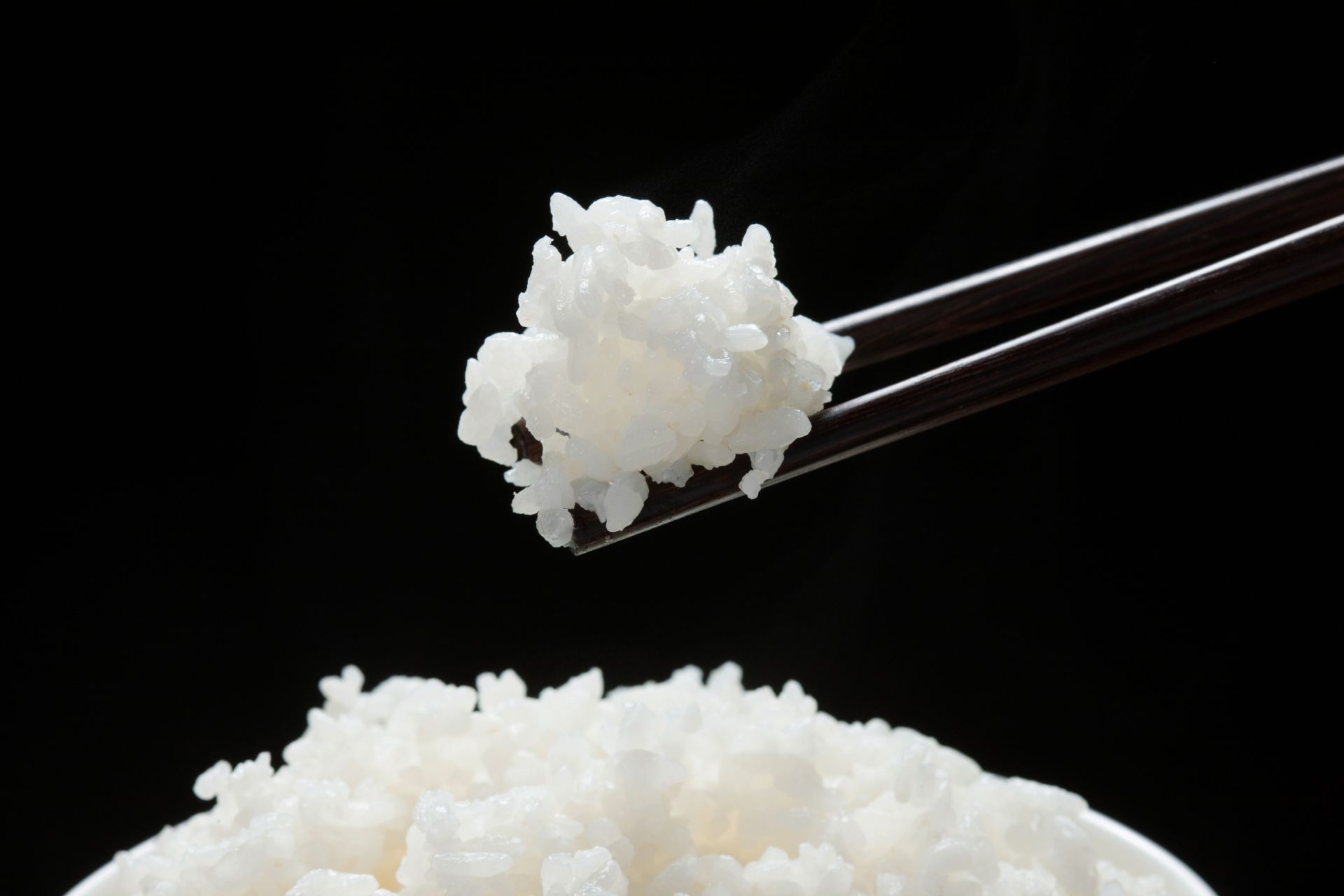
The continued rise in rice prices is increasing the burden on both household food costs and overall dining-out expenses. In particular, the surge in rice prices is directly driving up the raw material costs of restaurant menu items that use rice as a main ingredient—such as gimbap, tteokbokki, and rice bowl dishes—further elevating perceived inflation.
20kg of Rice Remains in the 60,000-Won Range for 7 Months... Lackluster Government Measures

According to the Korea Agro-Fisheries & Food Trade Corporation on March 19, as of March 18, the average retail price of a 10kg bag of rice was 36,214 won, up 23.1% from the previous year and 25.8% higher than the average for recent years. The price for 20kg also rose by 13.7% year-on-year to 62,951 won. In last month's consumer price trends, the price of rice increased by 17.7% year-on-year, nearly nine times the overall inflation rate of 2.0%.
Since September last year, when the price of 20kg of rice surpassed the 60,000-won mark, rice prices have remained elevated for seven consecutive months. Even now, prices remain around 63,000 won, showing little sign of decline.
Previously, Song Miryung, Minister of Agriculture, Food and Rural Affairs, stated at a press briefing in August last year that a retail price of 60,000 won for 20kg of rice is a psychological resistance level at which consumers perceive rice as expensive, and she promised to stabilize rice prices. Despite repeated forecasts that rice prices would fall after the harvest season, prices have instead stayed high.
As the upward trend in rice prices persisted, the Ministry of Agriculture, Food and Rural Affairs announced at the end of last month that the government would gradually release 150,000 tons of state-held rice reserves. However, there has still been almost no movement in rice prices.
Gimbap, Tteokbokki, and Rice Bowl Prices 'Soar'... Chilly Restaurant Industry

Citizens are lining up to taste tteokbokki at the Seoul Food Market held on Nodeul Island in Yongsan-gu, Seoul. Photo by Yonhap News
원본보기 아이콘The rise in rice prices is rapidly being passed on to dining-out costs. On food delivery apps, it is now common to find restaurants that have increased the price of a bowl of rice from 1,000 won to 1,500 won. Some establishments have even posted prices of 2,000 won for a bowl of rice.
Self-employed restaurant owners in Seoul, especially those running snack shops, report rising cost pressures. They explain that the impact is particularly severe for businesses where rice is the primary ingredient, such as gimbap, tteokbokki, and rice bowl dishes. With customer numbers declining due to the economic downturn and raw material costs rising, profitability is deteriorating.
Processed food prices have also risen in tandem. Last month, the price of tteok (rice cake) increased by 5.1% compared to a year earlier, which is three times higher than the rise in bread prices (1.7%). The prices of major restaurant menu items such as triangle gimbap (up 3.6%) and bibimbap or stews (over 3%) are also climbing one after another.
Government's Off-Target Supply and Demand Forecasts Lead to Rice Price Surge

On the 5th, rice is displayed at a large supermarket in Seoul, where the burden of meal prices is increasing as rice prices have risen more than 10% compared to a year ago. Photo by Yonhap News Agency
원본보기 아이콘Some point to government supply and demand policies as failing to reflect actual market conditions, thus contributing to the rice price surge. The Ministry of Agriculture, Food and Rural Affairs predicted an oversupply of rice last year and implemented large-scale market isolation and acreage reduction policies. However, due to a spike in demand for processed rice products, such as tteok and instant rice, these forecasts proved inaccurate, resulting in concerns over insufficient supply.
The reduction in rice cultivation area has also been cited as a cause of rising rice prices. In addition, there are concerns that policies drastically cutting cultivation areas could, in the long run, worsen food supply instability. If climate factors are also taken into account, future price volatility could increase even further.
Meanwhile, neighboring Japan is experiencing a prolonged rise in rice prices as well. Since 2021, production has not kept pace with demand, and last year's record heat waves and droughts severely damaged crop yields. Analysts also point out that Japan's long-standing 'production suppression policies' have structurally contributed to supply shortages. As a result, a phenomenon dubbed 'rice shopping'—in which Japanese tourists buy rice in bulk while visiting Korea—has been observed.
-

Reporter Seo Jiyeong zo2zo2zo2@asiae.co.kr
-
Edit Kim Boram kbram6457@asiae.co.kr
© The Asia Business Daily(www.asiae.co.kr). All rights reserved.