
On the 10th (local time), according to the British Daily Mail and other outlets, researchers at the University of Colorado in the United States recently conducted an experiment exposing human blood vessels and blood-brain barrier cells to erythritol. The concentration was set at a level that could occur in the body after consuming diet soda.
Beverages, ice cream, and more
A sugar substitute used in place of sugar
The alternative sweetener "erythritol"
The number of consumers choosing "zero-calorie" sweeteners instead of sugar for health and weight management is rising rapidly. However, a study has raised the shocking possibility that erythritol, one of the most widely used alternative sweeteners, may actually increase the risk of stroke. As warnings mount that this ingredient, which is widely used in a variety of products such as beverages and ice cream, may have negative effects on blood vessels and the brain's protective system, the perception of erythritol as a "healthy alternative" is beginning to crack.

The photo is for illustrative purposes and is not directly related to the article. Photo by Yonhap News
원본보기 아이콘Changes in blood vessels and blood-brain barrier cells

As a result, changes were observed in blood-brain barrier cells, which protect the brain, in just three hours. The blood-brain barrier is a key defense system of the brain that blocks harmful substances while allowing only nutrients to pass through.
The study found that there was a decrease in the secretion of proteins that break down blood clots. These proteins remove clots that block blood vessels and thereby help reduce the risk of stroke. At the same time, the researchers also observed constriction of vascular cells, raising the possibility that blood flow could be restricted.
The research team stated that erythritol may contribute to an increased risk of ischemic stroke, but emphasized that further studies are needed to determine its actual effects in the human body.
Safety debate amid spread of alternative sweeteners
Erythritol provides about 80% of the sweetness of sugar while having virtually no calories, so it is widely used in sugar-free beverages and low-calorie snacks. As the market for weight-management foods has expanded, its range of applications has also grown rapidly.

As consumption has increased in this way, the need to verify its long-term health effects has also been raised. In particular, as studies continue to explore its relationship with cardiovascular disease, a full-fledged safety debate is taking shape.
In fact, several studies have already reported an association between erythritol and cardiovascular disease. In a 2023 study of more than 1,000 people, those with higher blood levels of erythritol were found to have a greater risk of major cardiovascular events such as stroke or myocardial infarction than those with lower levels.
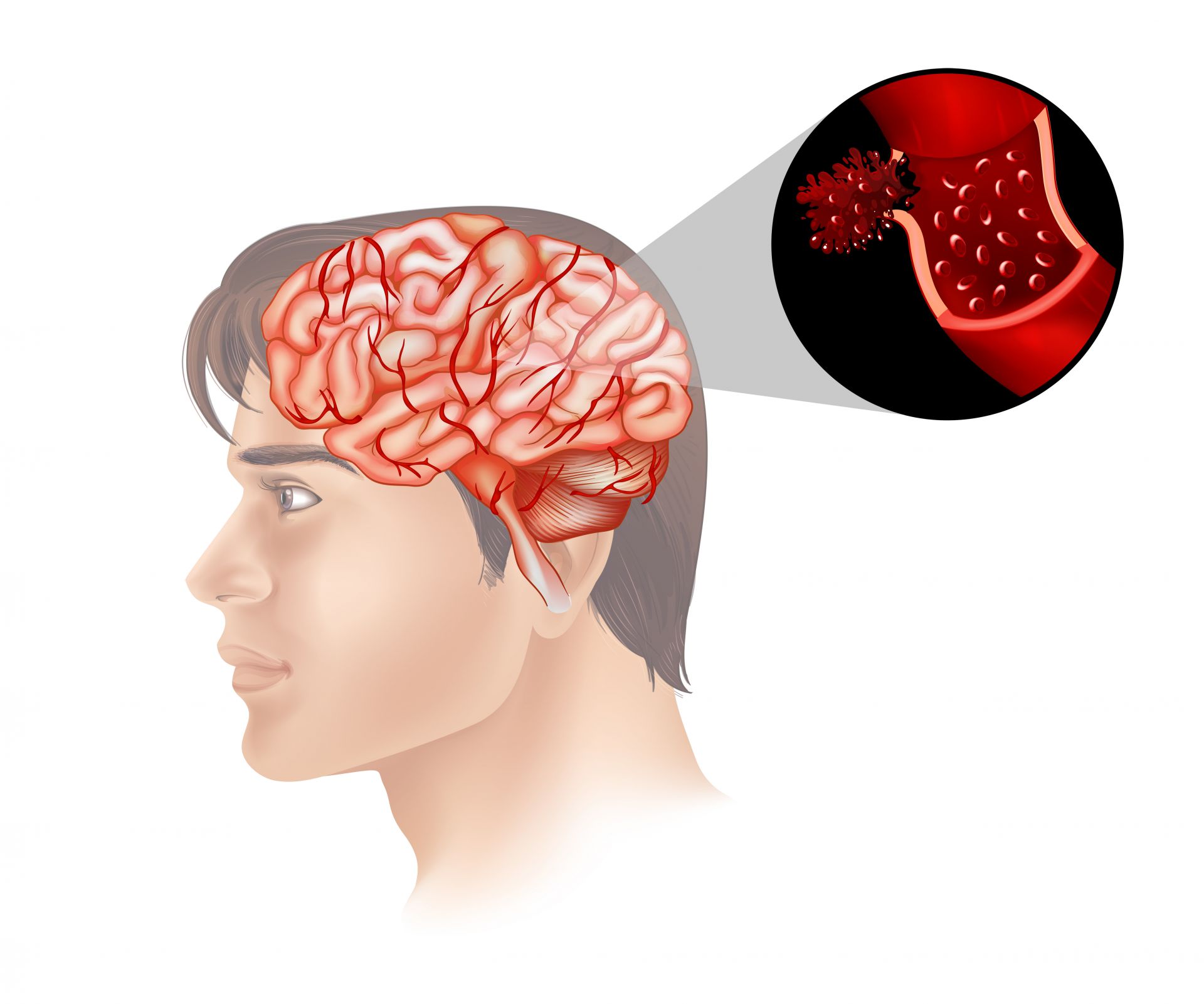
These research findings are drawing increased attention as they coincide with a recent rise in strokes of unclear cause among young adults. According to the U.S. Centers for Disease Control and Prevention (CDC), stroke incidence among young adults has been on the rise since 2011. There is growing interest in how changes in dietary habits and increased consumption of processed foods may be contributing.
Do not let your guard down just because it is "zero"
Experts say that while alternative sweeteners can help reduce sugar intake, excessive reliance on a particular ingredient can itself become a new health risk factor. They stress that even sugar-free products should not be assumed to be "unconditionally safe," and that consumers need habits that consider both ingredients and intake levels together.
-

Reporter Seo Jiyeong zo2zo2zo2@asiae.co.kr
-
Edit Kim Hyunhee faith100@asiae.co.kr
© The Asia Business Daily(www.asiae.co.kr). All rights reserved.