Seoul Metropolitan Government is accelerating the overhaul of the city's transportation system this year. The city will focus on expanding the urban rail network in Gangbuk, an area that has been underserved in terms of transportation, and will increase the number of autonomous bus routes to four. Notably, as early as this year, Seoul plans to unveil Korea's first 'Level 4 unmanned robotaxi.' This will be the third such launch in the world, and the city intends to expand its operations following the pilot run.
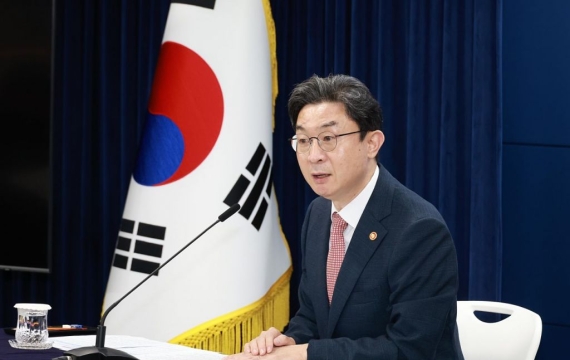
On January 26, Seoul Mayor Oh Se-hoon received the '2026 New Year Work Report' from the Transportation Office, Disaster and Safety Office, and Water Circulation and Safety Bureau. During the meeting, Mayor Oh emphasized, "Given the scale and long-term nature of these projects, I urge you to meticulously and thoroughly inspect every stage of implementation to ensure that citizen safety is always the top priority and that there are no setbacks."
The Transportation Office will push forward with expanding the rail network, focusing on transportation-disadvantaged areas, to usher in a new era for Gangbuk. The city plans to improve the feasibility of the core transportation infrastructure project, the Gangbuk Cross Line, and lay the groundwork for its relaunch. In addition, through key light rail lines such as the Seobu Line and Myeonmok Line, which connect work, residence, and leisure, the city will link residential areas with downtown, thereby improving accessibility to the urban rail system.
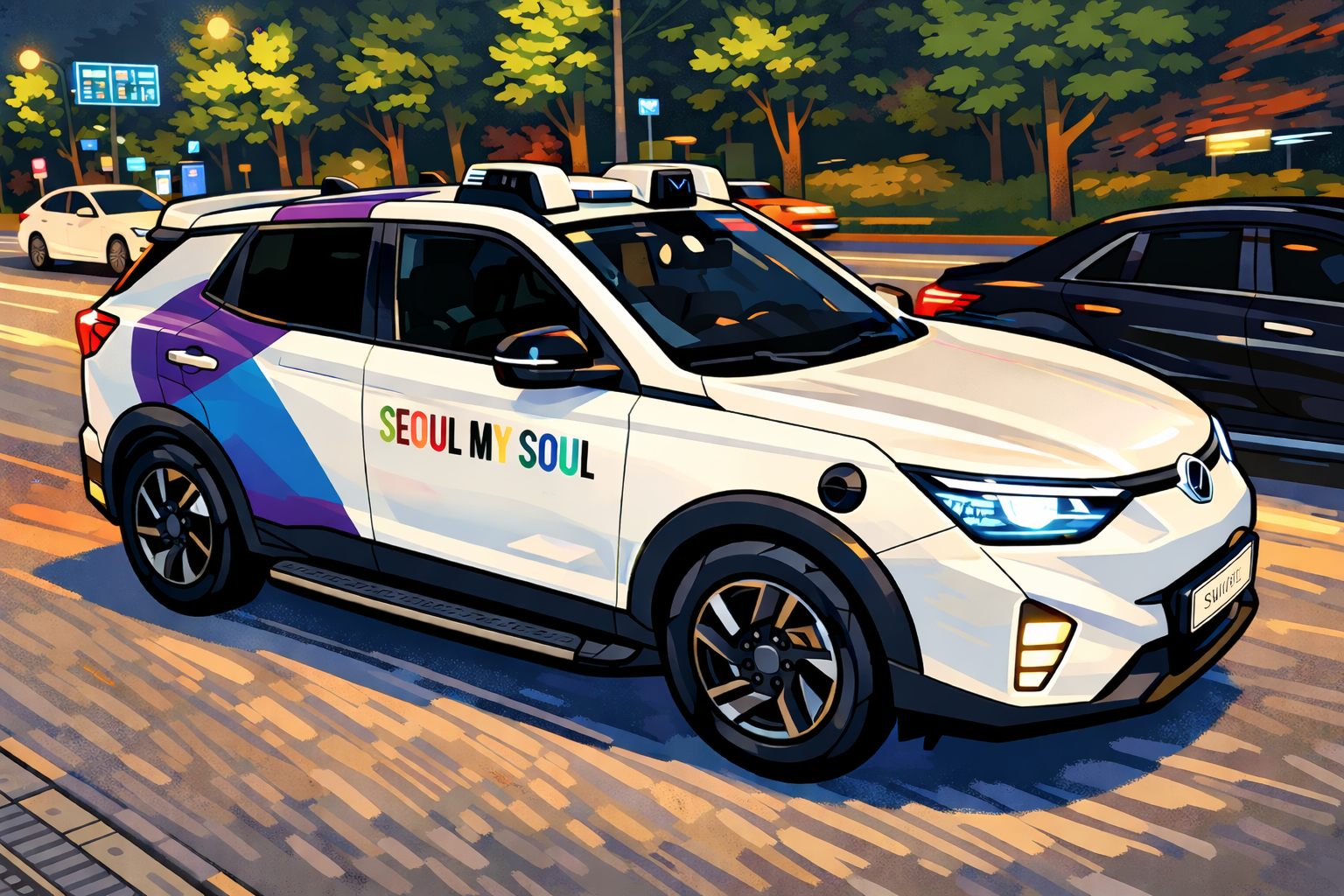
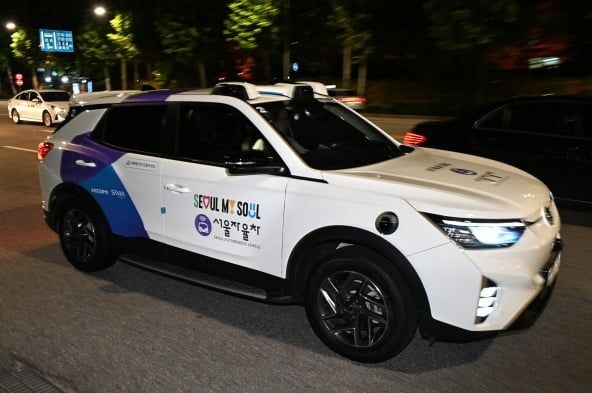
Seoul will also accelerate the advancement of future transportation projects, which are already among the most advanced in the country. As early as the second half of this year, the city will introduce the world's third and Korea's first 'Level 4 unmanned robotaxi' in the Sangam autonomous driving district (6.6 km²). The pilot program will start with three vehicles and expand to more than ten by 2027, providing autonomous driving services that cover both commercial and residential areas so that citizens can experience these services in their daily lives.
In the second half of the year, pilot operation will begin in the Sangam autonomous driving district The world's third and Korea's first Starting with 3 vehicles... expanding to more than 10 by 2027
'Transportation Disadvantaged' Gangbuk-centered Urban Rail Network Development Planned Early morning companion autonomous buses to expand to 4 routes
The appearance of the 'Late-night Autonomous Taxi' operated by Seoul City. Photo by Seoul City
The 'Dawn Companion Autonomous Bus,' which helps citizens commute in the early morning, will be expanded from the current single route (Dobong to Yeongdeungpo, A160) to four routes, including Geumcheon to Sejong-ro, Sanggye to Express Bus Terminal, and Eunpyeong to Yangjae, thereby completing an early morning transportation network that connects the east, west, south, and north of the city.
The Disaster and Safety Office aims to maximize the potential of Gangbuk by steadily implementing large-scale spatial reorganization projects, such as the six-lane Gangbuk Cross Underground Urban Expressway (Sungsan IC to Sinnae IC), which was announced in December last year. In addition, the city will actively pursue road infrastructure improvements to alleviate chronic congestion and enhance accessibility on major arterial roads such as Gwacheon-daero and Dongjak-daero.
The city will also implement policies closely tied to citizens' daily safety. During heat waves, the number of urban water cleaning operations will be increased to up to eight times per day, and 100 'Happy So' air dome-type mobile outdoor rest areas equipped with cooling facilities will be installed at festivals, event venues, and parks.
Seoul Mayor Oh Se-hoon inspecting maintenance sites in Seoul. Photo by The Asia Business Daily
The scope of citizen safety insurance coverage will also be expanded. The coverage limit for major claims such as fire, explosion, and collapse will be raised from 20 million to 25 million won. Coverage for ground subsidence accidents will be newly introduced and strengthened, so that in the event of overlapping claims with social disaster coverage, citizens can receive up to 45 million won. The liability insurance limit per accident for public facilities will be increased from 100 million to 150 million won, and the annual compensation limit per route will be raised from 200 million to 300 million won.
Furthermore, the Construction Technology Policy Office plans to enhance the quality of the 'Zero Fault Construction in Seoul' initiative. The 'Construction Work Full-Process Video Record Management' system, which was introduced nationwide for the first time last year, will be upgraded in the first half of this year to the 'AI Smart Video Record Management' system by applying artificial intelligence (AI) CCTV to all construction sites. Mayor Oh stated, "A safe and convenient urban infrastructure is essential for citizens to live their daily lives with peace of mind. We will meticulously inspect every aspect, from everyday safety to the overall urban infrastructure, to make Seoul an even more attractive and safe city."