‘Salt Instead of Sugar’ Coffee Trend Spreads
Photo by Getty Images Bank

by Park Eunseo
by Hong Jayeon
Published 17 Dec.2025 15:00(KST)
Updated 26 Mar.2026 15:26(KST)
‘Salt Instead of Sugar’ Coffee Trend Spreads
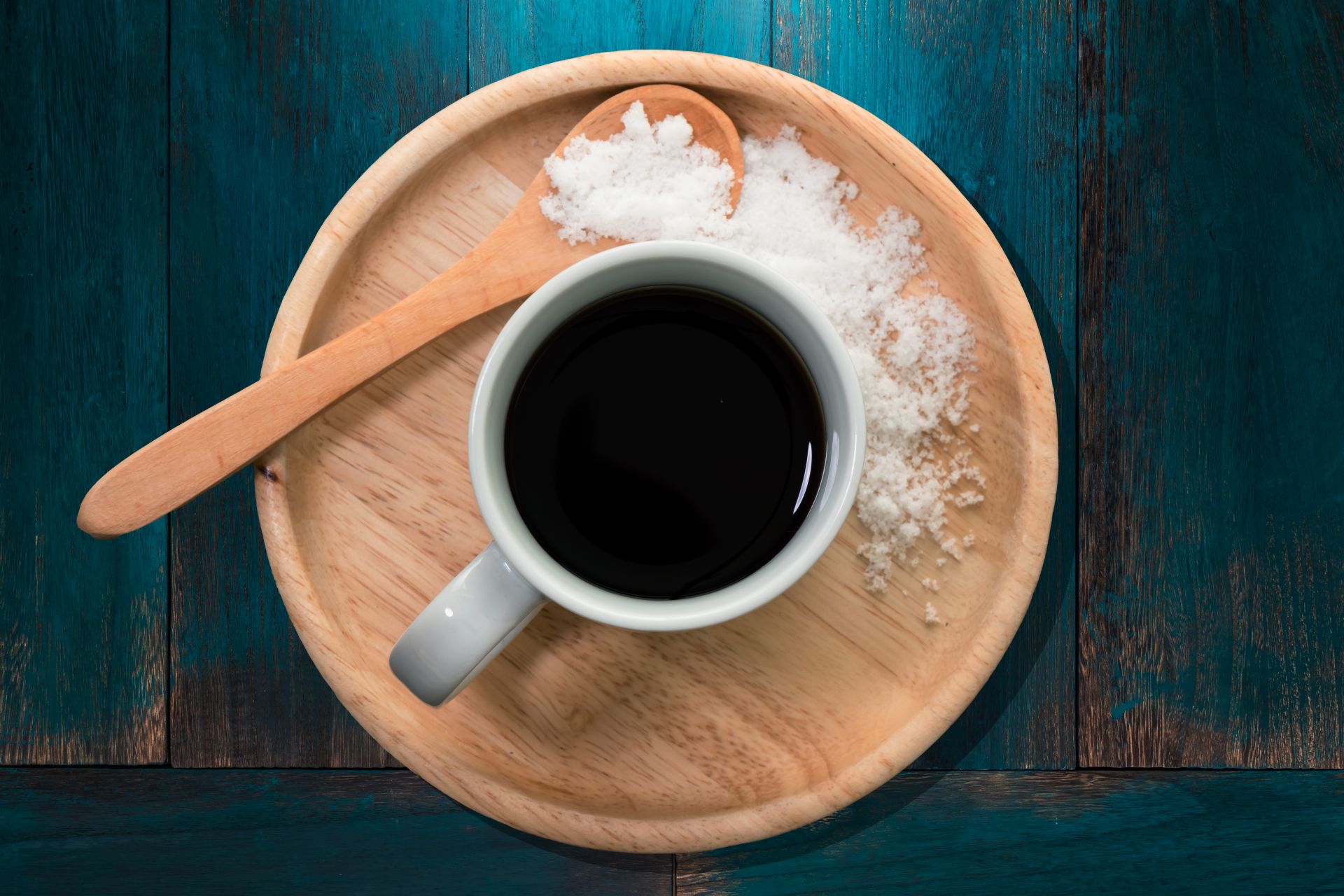
As the trend of adding salt to coffee is spreading, experts have begun warning about potential health risks. While there is a widespread belief that salt reduces bitterness and enhances sweetness, concerns have been raised that this could lead to excessive salt intake.
According to The Sun, a UK media outlet, on December 15 (local time), a method of adding a small amount of salt to coffee has recently grown in popularity. This is based on the belief that salt can reduce the bitterness of coffee, make it taste sweeter, and serve as an alternative to sugar consumption.
On this topic, Dr. Eleanor Bryant, a psychologist at the University of Bradford in the UK, explained, "Salt can reduce the perception of bitterness from caffeine, enhance the flavor, and as a result, make coffee taste sweeter."
However, she drew a line, stating, "Some people think using salt instead of sugar is healthier, but there is no scientific evidence that adding salt to coffee benefits your health." She continued, "If this practice is repeated, it may increase salt intake, which can be especially harmful for people who drink several cups of coffee a day."
Dr. Bryant further explained that the way people enjoy coffee is also related to individual genetic factors. She said, "A preference for bitterness is influenced by dominant and recessive genes associated with taste perception. People are born with a tendency to either like or dislike bitterness."
She added, "While many people become accustomed to bitterness over time, those who add something to their coffee are making a choice to 'adjust' the taste to suit their own palate."
Meanwhile, Philips, a coffee machine manufacturer, commented, "Complex coffee orders are no longer a novelty but a familiar sight, and this trend shows that coffee enthusiasts have taken customization to a new extreme."

Park Eunseo rloseo8@asiae.co.kr
Hong Jayeon hongzaa@asiae.co.kr
© The Asia Business Daily(www.asiae.co.kr). All rights reserved.