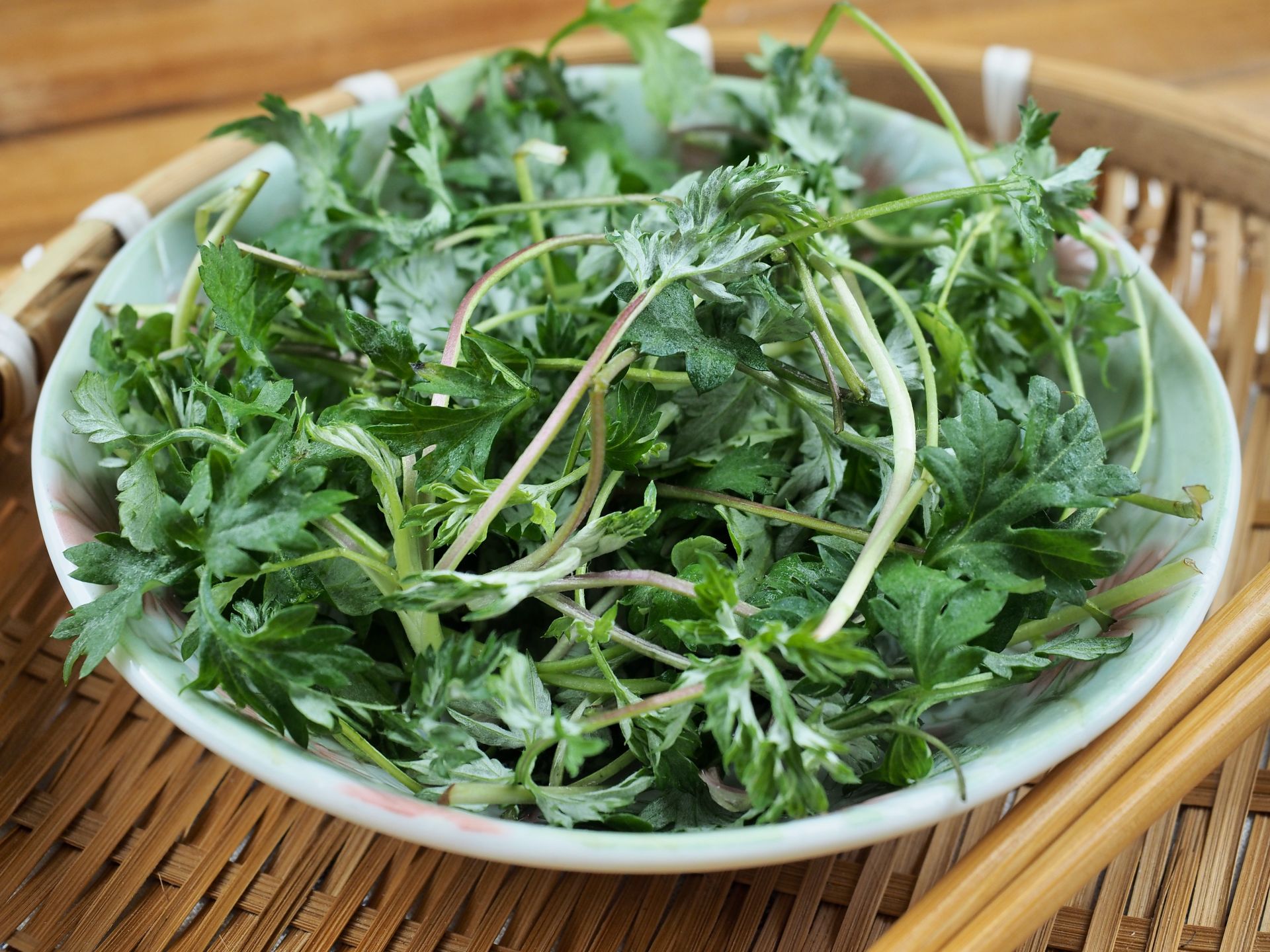
Mugwort has been used as a medicinal herb for a long time due to its antioxidant and anti-inflammatory effects. It is especially used as a key ingredient in Traditional Chinese Medicine (TCM) and Japanese Kampo therapy, and recently it has also been applied in premium spa programs and the development of supplements based on natural ingredients.
Mugwort, which has long been used as a medicinal herb in Asia, is now drawing attention in the wellness sector. In China and Japan, mugwort's antioxidant and anti-inflammatory effects are being utilized in areas such as spas and natural therapies.
On December 8 (local time), the South China Morning Post (SCMP) in Hong Kong reported, "Although it is not a flashy superfood, mugwort-known as yomogi in Japan-continues to be used in Asia's health and wellness sector."
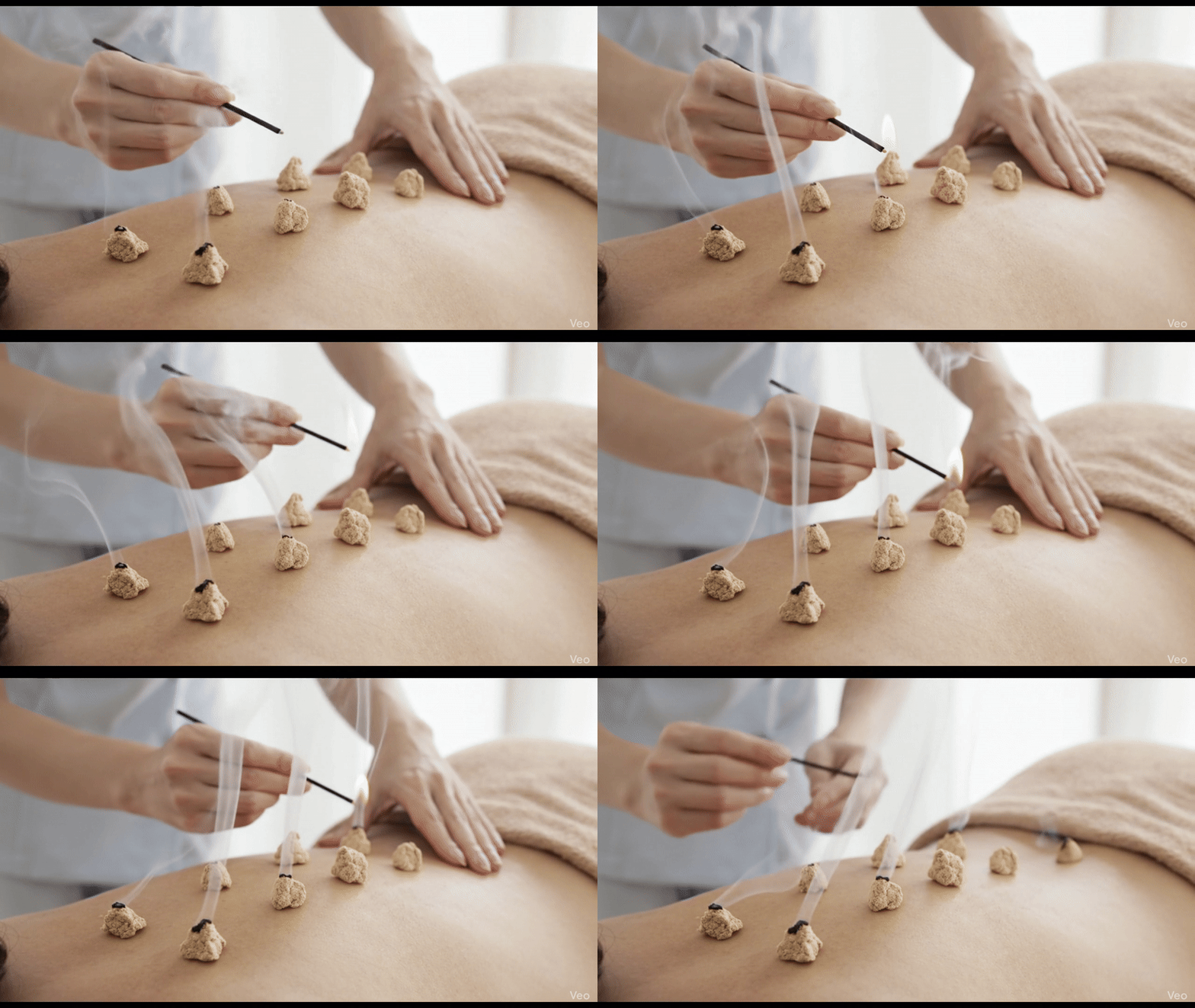
Samuel To, a TCM expert based in Hong Kong, explained that mugwort has been used as a core material in moxibustion therapy in Chinese medicine. The dried mugwort leaves are burned to transfer heat, and it is used to treat joint pain, digestive disorders, menstrual pain, and infertility.
Dr. To said, "Mugwort is traditionally known to warm the body and promote blood circulation," and he also introduced a method of boiling it in water to drink.
Japanese Kampo medicine expert Sasagawa explained that mugwort in Kampo is associated with various benefits, including: blood purification and prevention of edema; natural diuretic effects and relief of constipation; hormonal balance, cholesterol improvement, and anti-aging; as well as stress relief and improved sleep.
SCMP also reported that more spas are adding mugwort-based bath and massage programs. Representative examples include mugwort bath additives, heat packs, and scalp, shoulder, and neck massages using mugwort oil.

However, since many of mugwort's effects are based on traditional medical perspectives, verification through modern medicine is still required. Experts advise that while mugwort has been used for a long time across various cultures, clinical evidence for specific health benefits is limited, so it should be used appropriately according to individual circumstances.
Mugwort, known for its strong adaptability and reproductive capacity, is also a familiar ingredient in Korea, easily found in fields during spring. Its distinctive aroma and flavor have made it a staple in various dishes, and it is also known for its benefits in women's health and digestive improvement.


According to the Agricultural Food Comprehensive Information System, the essential oil component cineol found in mugwort not only provides a pleasant fragrance but is also known to help improve respiratory function and relieve menstrual pain. Additionally, it is reported to inhibit Escherichia coli and diphtheria bacteria, support detoxification, and enhance digestive function by promoting gastric juice secretion.
-

Reporter Yun Seulgi seul97@asiae.co.kr
-
Edit Bae Byoungmin wuhaha@asiae.co.kr
© The Asia Business Daily(www.asiae.co.kr). All rights reserved.