ㅡ
Korea, the Shadow of a 'Super-Aged Labor Society' Without Retirement

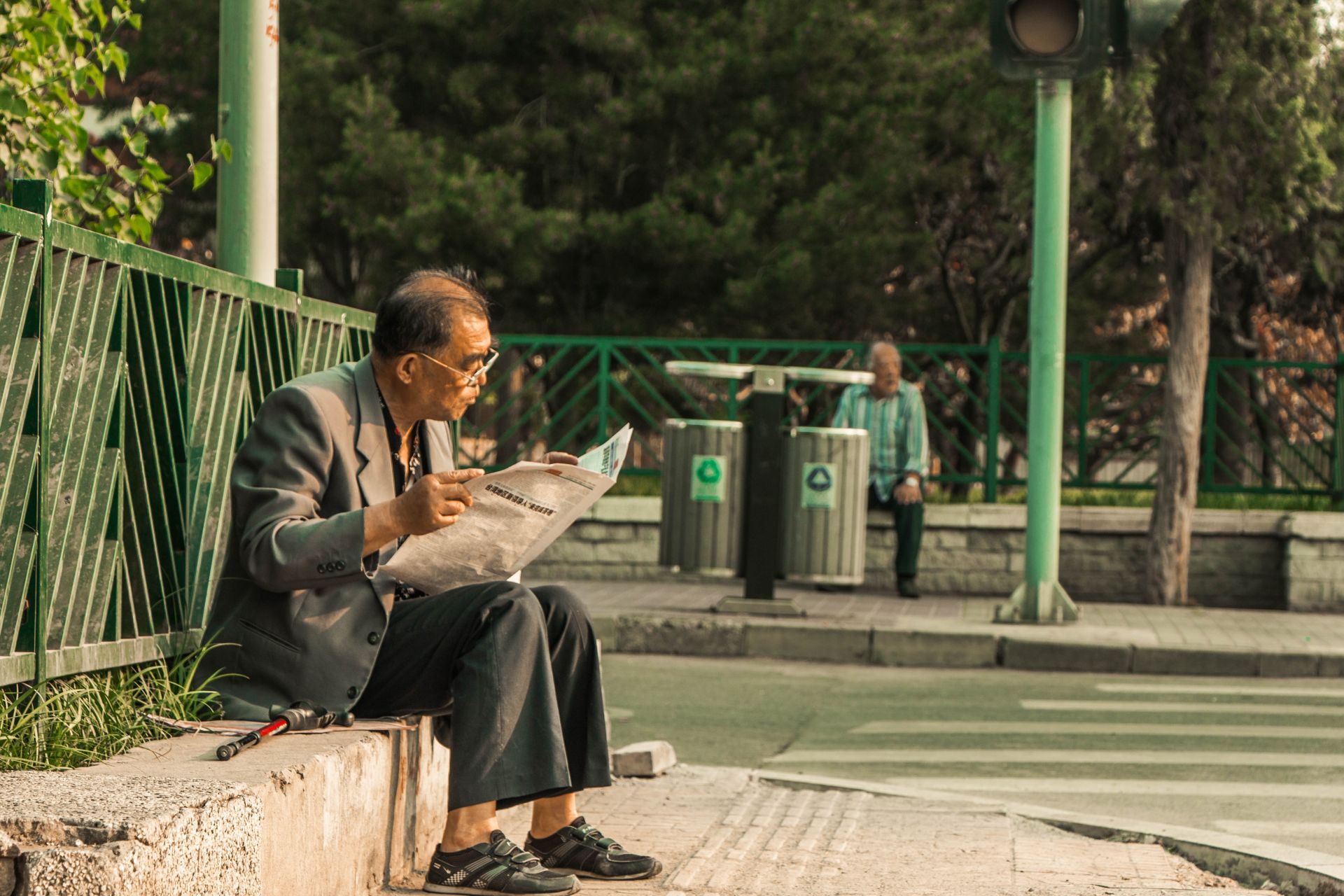
No Retirement in Korea: The Harsh Reality for the Elderly
Korean Seniors Rank First in OECD for Working the Longest
As of the article's publication date, Korea's employment rate for those aged 65 and older stands at 37.3%, far surpassing the OECD average of 13.6% and ranking the highest among member countries.
Most analyses suggest that this is driven not by the "joy of working," but rather by a "struggle for survival."
ㅡ
Elderly Forced into 'Livelihood Labor'

The average age at which Korea's elderly hope to continue working is as high as 73.4 years.
The main reason they want to keep working is "to help cover living expenses" (54.4%), followed by "the joy of working" (36.1%).
ㅡ
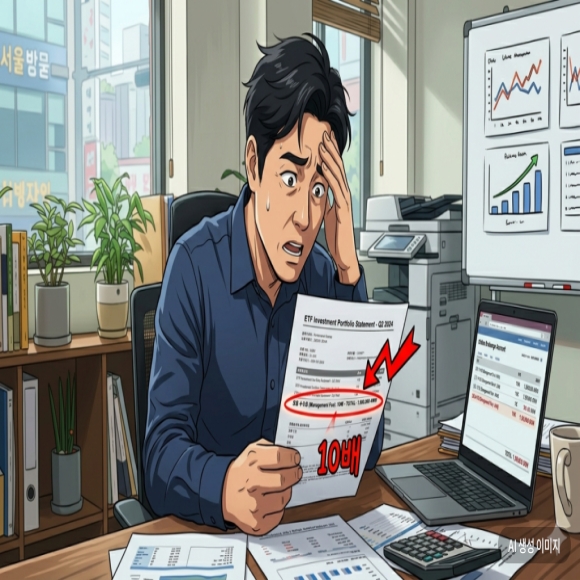
Severely Insufficient Public Pensions: The Reality of 660,000 Won

As of 2024, the average monthly National Pension payout is only about 660,000 won.
This amount is less than half of the minimum monthly living cost for a single-person household, which is 1.34 million won.
ㅡ
The Long 'Income Gap' Famine

While the statutory retirement age is 60, the average age of retirement from one's main job is 52.9 years.
Meanwhile, the National Pension can only be received from age 63 to 65, resulting in an income gap of at least 10 years or more after retirement before pension payments begin.
ㅡ
In an Era of Population Decline, Utilizing Elderly Labor Is the Solution

Korea's elderly face a double burden: they must work even if they have a pension, and they must also work while waiting to become eligible for pension payments.
To address the labor shortage caused by population decline, it is essential to actively utilize the labor force of the elderly.