

In response, the red ginseng industry is pursuing diversification of its product portfolio. Korea Ginseng Corporation is expanding new herbal ingredient product lines such as deer antler velvet and agarwood, while small and medium-sized enterprises are targeting niche markets with price competitiveness.
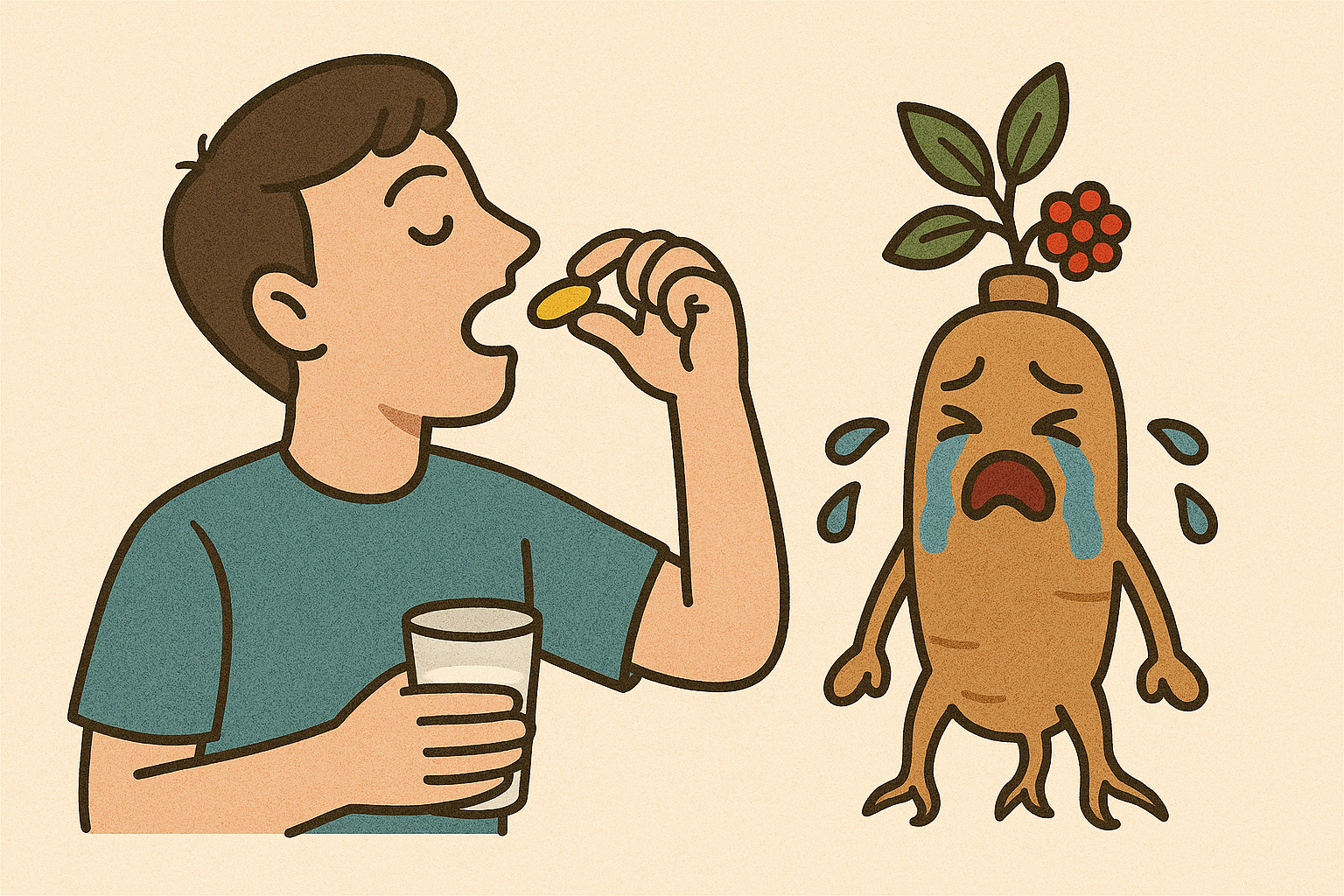
The dominance of red ginseng in the domestic health functional food market is now being challenged. While the health supplement market expanded to approximately 6 trillion won during the COVID-19 pandemic, the proportion of red ginseng purchases dropped significantly during the same period. As demand has become more segmented by generation and function, the trend of maintaining health with a single pouch of red ginseng has lost momentum.
According to the "2025 Health Functional Food Market Status and Consumer Survey" released by the Korea Health Supplements Association on November 25, the domestic health supplement market is expected to reach 5.9626 trillion won this year, marking a 0.2% increase from the previous year. After peaking at 6.1498 trillion won in 2022, the market shrank to 5.9531 trillion won last year, but has rebounded slightly this year.
The landscape of the health supplement market has been significantly reshaped during this period. The most notable change is the decline of red ginseng, once considered the "undisputed leader." Red ginseng, which once replaced herbal medicine prescriptions at clinics and enjoyed rapid growth, is now losing ground to a variety of functional products.
5 Trillion Won Disappeared in 5 Years... Declining 'Red Ginseng Consumption'
The share of red ginseng in total health supplement purchases, which stood at 25.9% in 2021, has dropped to around 16% this year. Over the same period, the purchase amount fell from 1.471 trillion won to 953.6 billion won, meaning nearly 500 billion won has evaporated in five years. In contrast, the combined share of multivitamins and single vitamins increased from 13.6% (717.6 billion won) to 18.1% (1.078 trillion won). Consumer focus has shifted from red ginseng to vitamin-based products.
Changes in red ginseng purchasing behavior are also evident. The share of purchase transactions dropped from 12.4% (17.216 million transactions) in 2021 to 9.6% (13.8 million transactions) this year. Although the average purchase amount per household remains the highest, its upward trend has stopped. The average amount spent on red ginseng this year is 125,420 won, a 24% decrease from 164,708 won in 2021. The overall average purchase amount for health supplements also fell by 3.3%, from 336,194 won to 325,182 won during the same period.
Millennials & Gen Z Turn Away from Red Ginseng... Vitamins and Probiotics Take the Lead
The key reason behind the decline of red ginseng is the changing consumption patterns of people in their 20s and 30s. These generations view health supplements not as comprehensive management, but as targeted solutions for specific needs (such as fatigue, gut health, or sleep). As it has become common to switch products based on specific symptoms, red ginseng, which is expensive and has a strong traditional image, is no longer a priority.
The perception of red ginseng as "old-fashioned" has also played a role. Younger consumers prefer modern products with clear efficacy over traditional red ginseng concepts.
The shift is clear when looking at purchase shares by age group. Among consumers aged 21 to 30, red ginseng accounts for 8.2% of purchases, ranking fourth after fat-reducing products (17.1%), probiotics (16.6%), and multivitamins (15.4%). For those aged 31 to 40, red ginseng's share is 6.4%, placing it fifth, behind probiotics (16.7%), multivitamins (13.0%), fat-reducing products (8.9%), and single vitamins (7.0%). Only among consumers aged 51 and older does red ginseng hold the top spot.
A trend toward multi-item portfolio consumption is also evident. The combined purchase share of the "big five" ingredients that once led the health supplement market (red ginseng, probiotics, multivitamins, single vitamins, EPA, and DHA) dropped from 60% in 2021 to 51% this year. Meanwhile, the "others" category, which includes complex function, new materials, and themed products, increased from 22.3% to 32.8%. The shares of coenzyme Q10, iron and zinc, magnesium, dietary fiber, and hyaluronic acid also rose. The market structure has shifted from a single-ingredient, red ginseng-centered market to a complex, multi-item, functionally differentiated market.
Red Ginseng Companies Also Facing 'Shadows' in Performance
The weakening of red ginseng is also reflected in the performance of red ginseng manufacturers. Korea Ginseng Corporation, which owns the country's number one red ginseng brand, CheongKwanJang, posted sales of 894.8 billion won from January to September this year, down 8.6% from 979.3 billion won in the same period last year. In particular, domestic red ginseng sales fell from 713.3 billion won to 685.5 billion won. As a result, the domestic sales ratio decreased slightly from about 84.2% to 83.7%. The second-largest brand, Hansamin by Nonghyup Red Ginseng, recorded sales of 58.7 billion won last year, remaining in the 50 billion won range for five years.
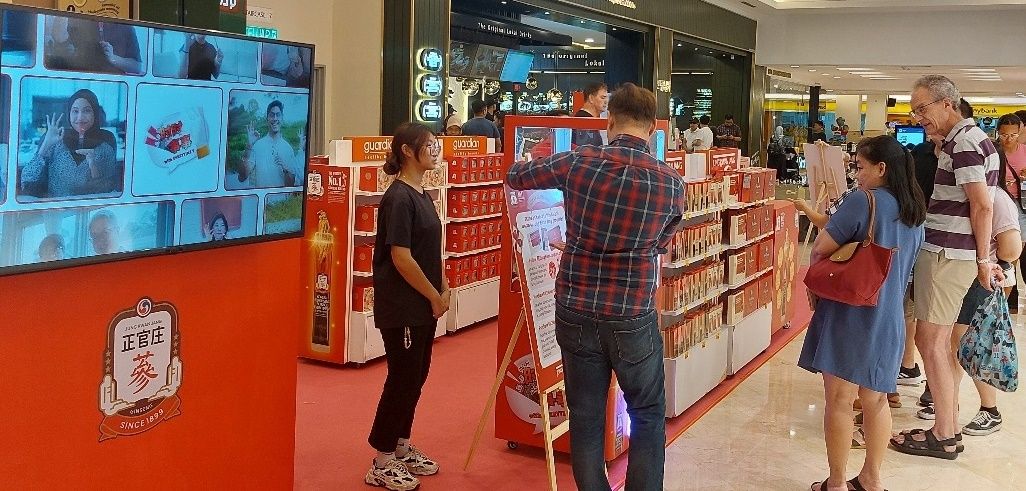
Overseas markets are also emerging as new breakthroughs. For Korea Ginseng Corporation, the export sales ratio increased slightly to approximately 16.3% in the third quarter compared to 15.8% in the same period last year. The company plans to expand new overseas markets in the United States, Europe, and Southeast Asia.