No current law restricts the 'meaning' of names
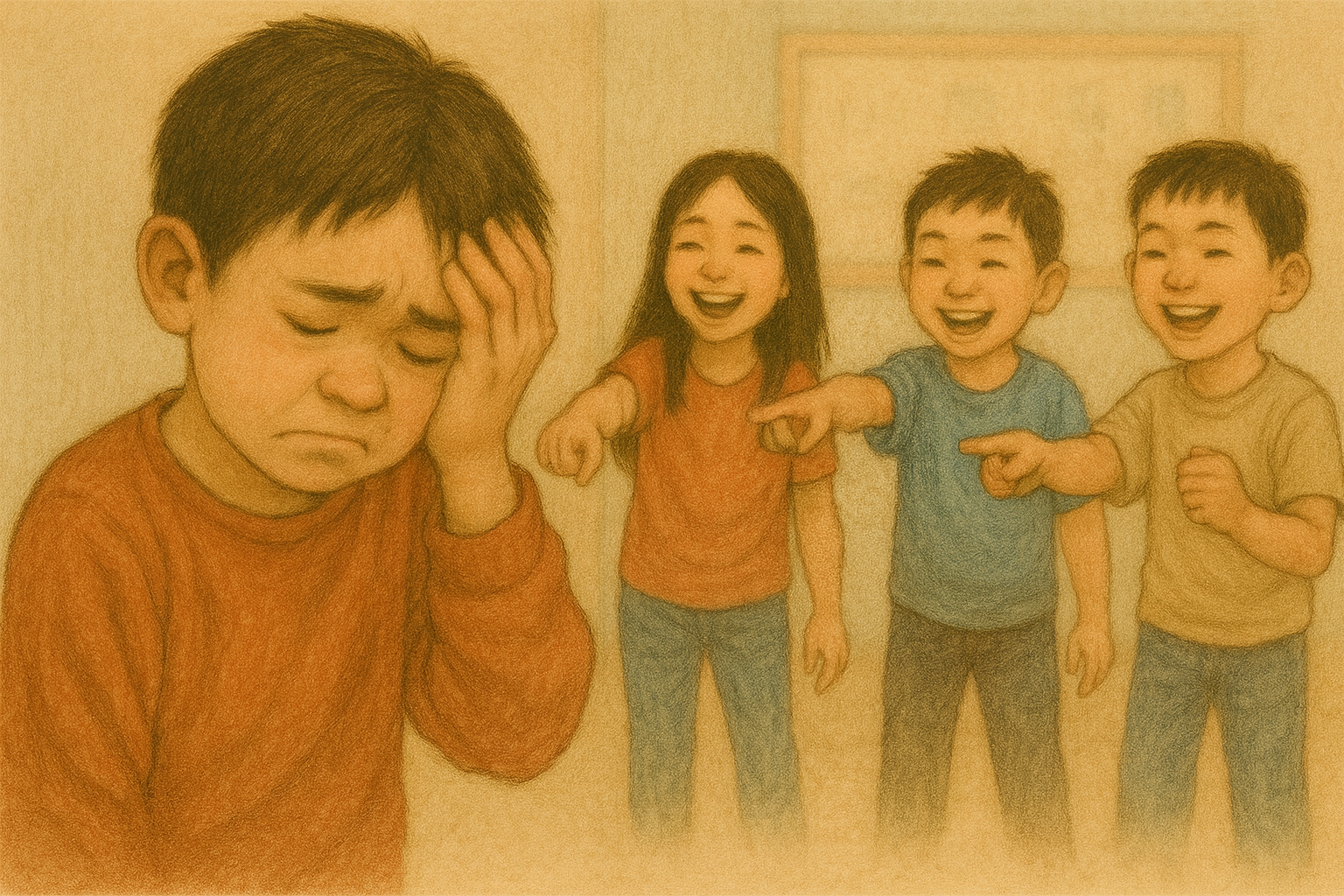
Parents cannot be prevented from giving offensive names
Parents cannot be prevented from giving offensive names
by Yun Seulgi
by Choi Yujeong
Published 21 Nov.2025 14:25(KST)
Updated 21 Nov.2025 14:36(KST)
A bill has been proposed to prohibit the use of inappropriate expressions, such as slang or profanity, in children's names when filing a birth registration.
On November 20, Jeon Yonggi, a member of the Democratic Party of Korea, announced that he had sponsored an amendment to the Family Relations Registration Act containing these provisions. Fifteen other Democratic Party lawmakers jointly proposed the amendment.
This amendment allows the relevant authorities to reject birth registrations if the proposed name contains expressions that are deemed inappropriate for use as a name according to social norms.
The purpose is to prevent the registration of names that could hinder a child's healthy development in advance and to reduce the waste of judicial administrative resources associated with the name change process after reaching adulthood.

Currently, the law only requires that Korean characters or commonly used Chinese characters be used for children’s names at birth registration. There are no regulations restricting the meaning of names, so parents could not be prevented from giving their children names containing profanity or offensive language.
According to Jeon Yonggi’s office, a significant number of inappropriate names, such as 'Xbal', 'SsangX', 'Xgu', and 'XXmi', have been confirmed among name change applications filed with the courts.
Jeon Yonggi pointed out, "When parents give their child a name that goes against the child's best interests, it constitutes an abuse of parental rights and emotional abuse against the child."
He added, "A name is the most fundamental and important factor in shaping a person's identity and participating in social life. Through this amendment, I hope that children's rights to dignity and the pursuit of happiness will be better protected within the framework of the law."

Yun Seulgi seul97@asiae.co.kr
Choi Yujeong yjchoi@asiae.co.kr
© The Asia Business Daily(www.asiae.co.kr). All rights reserved.




![[Culture Interview] "Unifying the Fragmented Music Market... Super Fans Are the Next Competitive Edge"](https://cwcontent.asiae.co.kr/asiaresize/304/2026042817051344090_1777363513.jpg)
