Specific Court Ruling on Inter-Floor Noise Dispute
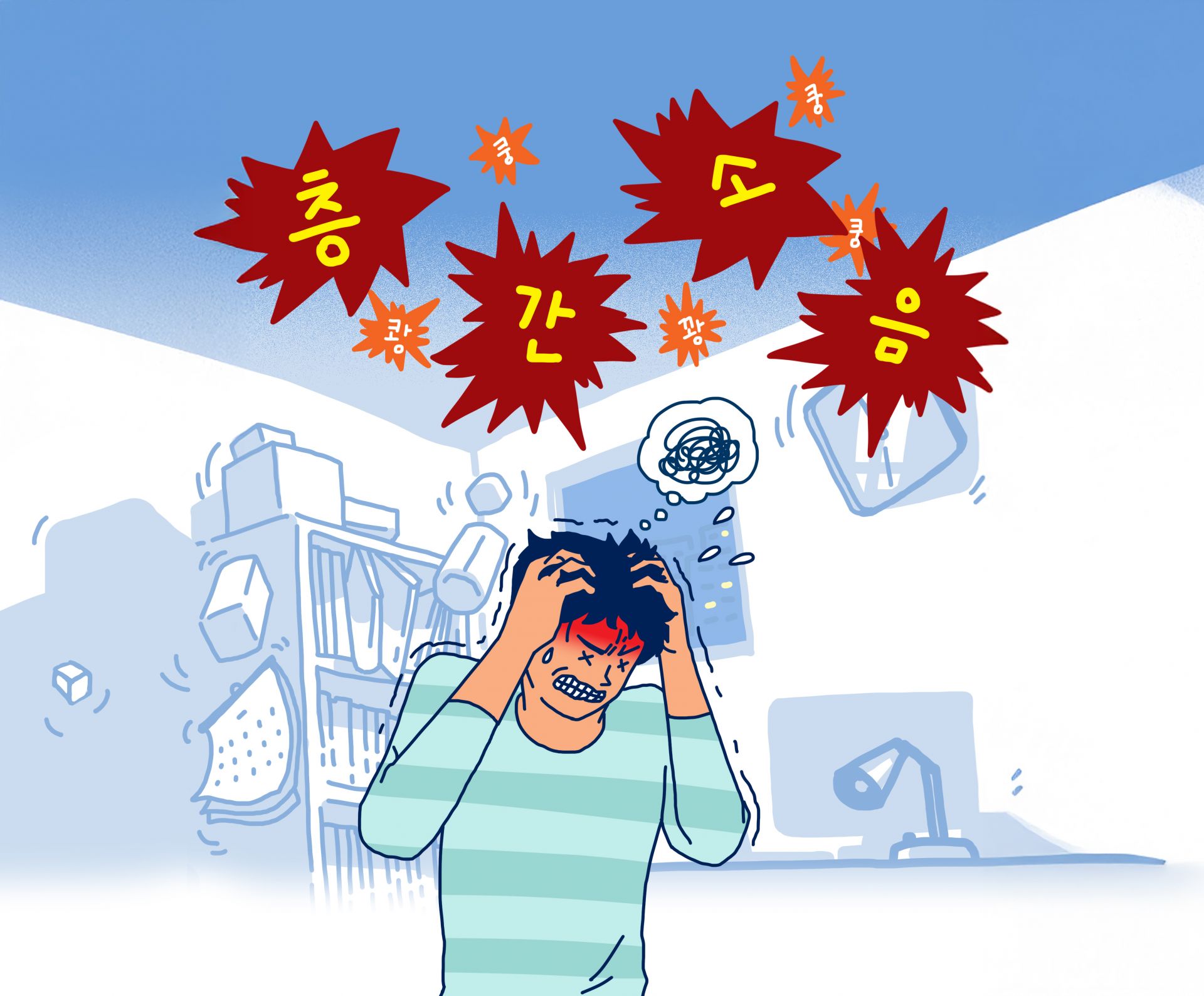
A court has ruled that an upstairs resident who caused inter-floor noise must pay 3 million won in damages to each of the downstairs residents who suffered from the noise. The key grounds for the decision were that noise measurements exceeded legal limits and that the noise frequently occurred at night and in the early morning, causing harm even to residents of adjacent units. With more than 40,000 complaints about inter-floor noise filed annually, this specific judgment on an escalating issue is drawing significant attention.
According to the legal community on November 19, Judge Park Jisook of the Seoul Southern District Court's Civil Division 12 ruled partially in favor of the plaintiffs on September 25 in a damages lawsuit filed by four individuals, including a person identified as A, against a person identified as B. The court ordered B to pay 3 million won to each of A and the others. A and the other plaintiffs were living in a multi-family housing unit in Yangcheon-gu, Seoul. B moved into the apartment above theirs in December 2023 and lived there for about a year.
After B moved in upstairs, A and the others repeatedly heard banging and tapping noises, leading to ongoing conflict with B. Eventually, A and the others filed a lawsuit against B, demanding 10 million won each in compensation.
Disputes Between Upper and Lower Floors in Multi-Family Housing Noise Levels Exceed Legal Standards Frequently Occur at Night and Early Morning Also Harm Neighbors in Adjacent Units
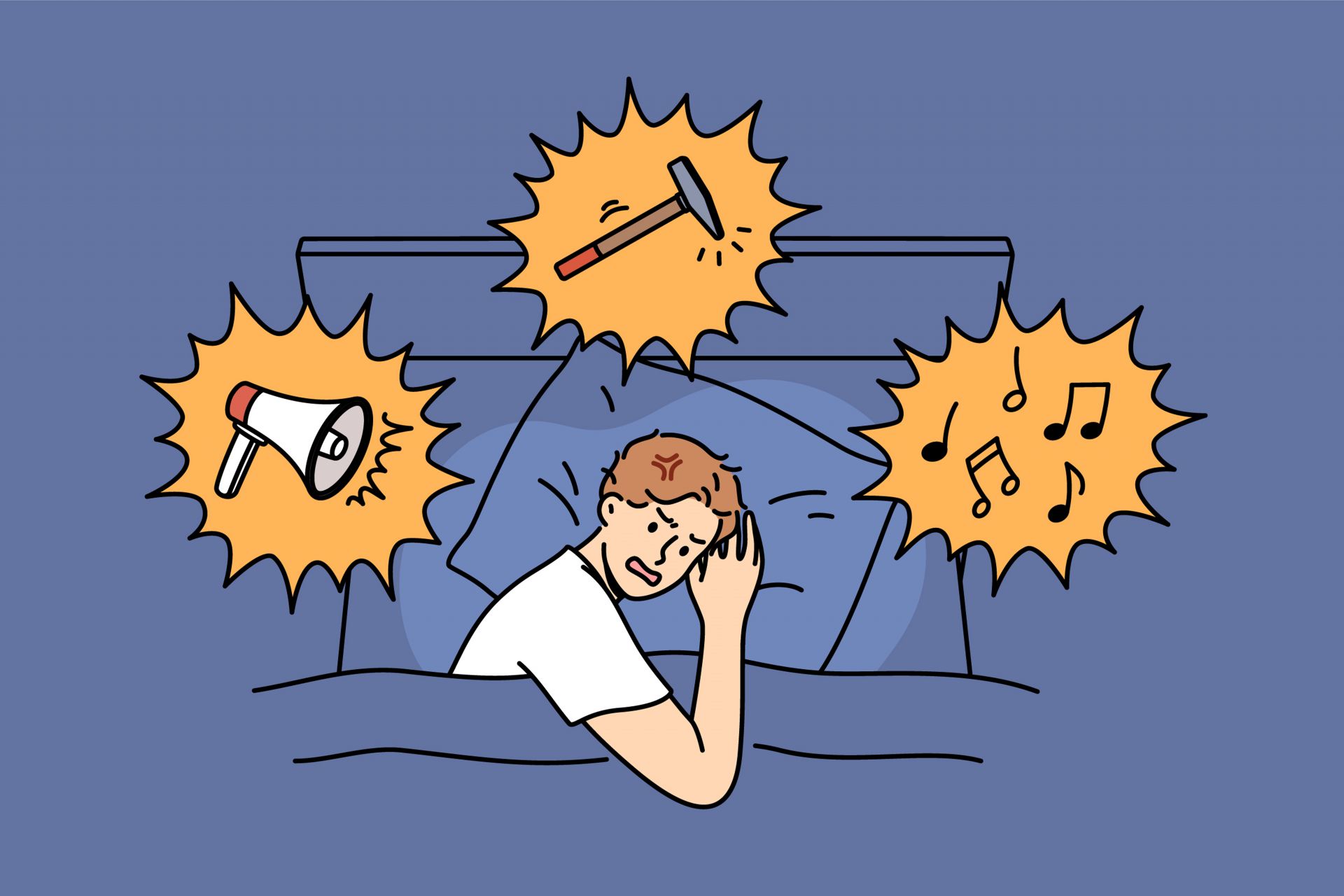
Court: "Noise Levels Considered Unbearable by Common Standards Must Compensate for Mental Damages" Photo by Getty Images Bank
Judge Park explained, "'Article 3 of the Rules on the Scope and Standards of Inter-Floor Noise in Multi-Family Housing' provides standards for inter-floor noise, which can be referenced when determining whether such noise in multi-family housing exceeds the tolerable limit." She continued, "A and the others requested the Korea Environment Corporation to measure the inter-floor noise in their apartment, and as a result, from October 23, 2024, for about two days, impact noise (such as 'thumping' sounds) was measured in A's master bedroom. The results showed that the noise significantly exceeded the standards set by law." Judge Park added, "The direct impact noise from the unit in question not only frequently occurred at night and in the early morning, but also caused complaints from residents of adjacent units other than A and the others. Considering these facts, the noise generated by B in the unit is generally regarded as intolerable by social standards," and concluded, "B is liable to compensate A and the others for the mental distress caused by the noise." The tolerable limit refers to the threshold of disturbance or harm from environmental rights violations, pollution, or noise that others can reasonably be expected to endure in daily life.
"The Degree of Harm, Local Characteristics, and Negotiation History Must Be Considered Comprehensively"
Judge Park stated, "If a resident in one part of a building suffers disadvantages due to noise generated by residential activities in another part of the same building, for those residential activities to be considered an unlawful act under civil law, the degree of infringement on the resident's interests must exceed the generally accepted tolerable limit by social standards." She further explained, "Whether the tolerable limit has been exceeded should be determined by comprehensively considering all circumstances, including the degree of harm, the nature of the affected interests, social evaluation of the harm, the structure and use of the building, local characteristics, the order of building use, the possibility of preventing or avoiding the harm, violations of public regulations, and the history of negotiations."
Taking into account the degree of noise caused by B, the time periods during which it occurred, the types and duration of the noise, and the extent of mental suffering experienced by A and the others, Judge Park set the damages at 3 million won for each plaintiff.
Meanwhile, conflicts arising from inter-floor noise continue to increase. An analysis of complaints filed with the Korea Environment Corporation's Inter-Floor Noise Neighbor Center (including both 'phone consultation services' such as call center and online inquiries, and 'on-site diagnosis services' such as additional phone consultations, in-person consultations, and noise measurements) shows that there were 40,060 complaints in 2024, a 277.1% increase from 10,624 cases in 2012. During the COVID-19 period in 2020 and 2021, the number of cases even exceeded 50,000. Although there was a slight decrease afterward, the annual number of cases remained at 40,000 through 2024.