#In January of this year, the chairman of a Saemaul Geumgo (community credit cooperative) in North Gyeongsang Province, which was merged due to insolvency, received a special retirement bonus of approximately 15 million won. This Saemaul Geumgo had a delinquency rate exceeding 10% and was in a state of capital impairment, with its Bank for International Settlements (BIS) capital adequacy ratio falling below 0%. Despite receiving a Grade 4 rating in the management evaluation, categorizing it as a 'poorly managed cooperative,' both the directors and auditors of this Saemaul Geumgo each received 1.45 million won worth of retirement gifts, totaling about 16 million won.
It has been confirmed that executives of Saemaul Geumgo collected retirement bonuses and commemorative gifts even after their cooperatives were merged due to insolvency. Critics argue that awarding bonuses to executives responsible for poor management is a clear case of moral hazard.
Executives Receive Tens of Millions of Won in Bonuses Despite Poor Management
According to data on 'special retirement bonuses paid by merged Saemaul Geumgo branches' received from Saemaul Geumgo by the office of Assemblyman Heo Young of the Democratic Party of Korea, as of October 29, 14 out of 28 Saemaul Geumgo branches that were merged due to insolvency over the past three years (from 2022 to August this year) paid special retirement bonuses or commemorative gifts to their chairmen, directors, and auditors.

Chairmen of insolvent cooperatives received retirement bonuses ranging from several million won to tens of millions of won, while directors and auditors also received commemorative gifts worth several million won each. The gifts included pure gold items and plaques of appreciation.
One Saemaul Geumgo in Busan, after being merged due to insolvency, paid its chairman a bonus of about 6.3 million won and provided four directors and two auditors with commemorative gifts worth 1.24 million won each, totaling approximately 7.4 million won. Another insolvent cooperative, although it did not pay a bonus to the chairman, gave commemorative gifts worth 3 million won each to a total of 10 directors and auditors, amounting to about 30 million won in total.
Similarly, a Saemaul Geumgo in Daegu, upon merging due to insolvency, paid its chairman a bonus of around 2.55 million won and gave three directors and one auditor commemorative gifts worth 1.36 million won each, totaling 5.44 million won. The delinquency rate at this cooperative exceeded 17%, and it received the lowest possible rating, Grade 5, in the management evaluation.
Persistent Insolvency and Internal Control Issues... Calls to Consolidate Supervisory Authority Over Saemaul Geumgo Resurface
According to Assemblyman Heo’s office, 32 Saemaul Geumgo branches were merged over the past three years (from 2022 to August this year), 28 of which were merged due to insolvency. Among these, 16 were in a state of capital impairment, with their BIS capital adequacy ratios at 0% or below. Additionally, 10 out of the 32 branches only notified members of the merger meetings by posting notices on building walls, sparking controversy over so-called 'blind mergers.' (See The Asia Business Daily's exclusive report on October 9.)
The Saemaul Geumgo merger guidelines do not include regulations on customer notification. However, the guidelines provide detailed provisions on bonuses and commemorative gifts for executives. According to the guidelines, executives of cooperatives designated as insolvent and merged may receive up to 50% of the prescribed amount as a special retirement bonus or commemorative gift.
Regarding this, Assemblyman Heo stated, "It is questionable what special contributions the executives of failed cooperatives have made," and emphasized, "Saemaul Geumgo must reform its organizational culture and internal controls to meet public expectations."
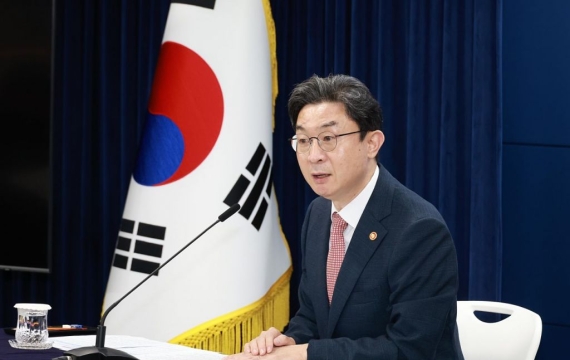
Meanwhile, as insolvency and internal control issues continue at Saemaul Geumgo, there are renewed calls to transfer supervisory authority from the Ministry of the Interior and Safety to financial authorities. On October 27, Lee Chanjin, Governor of the Financial Supervisory Service, stated during the National Assembly’s Political Affairs Committee audit, "One-third of Saemaul Geumgo branches are in a situation where consolidation or closure is necessary," expressing agreement with the idea of consolidating supervisory authority.