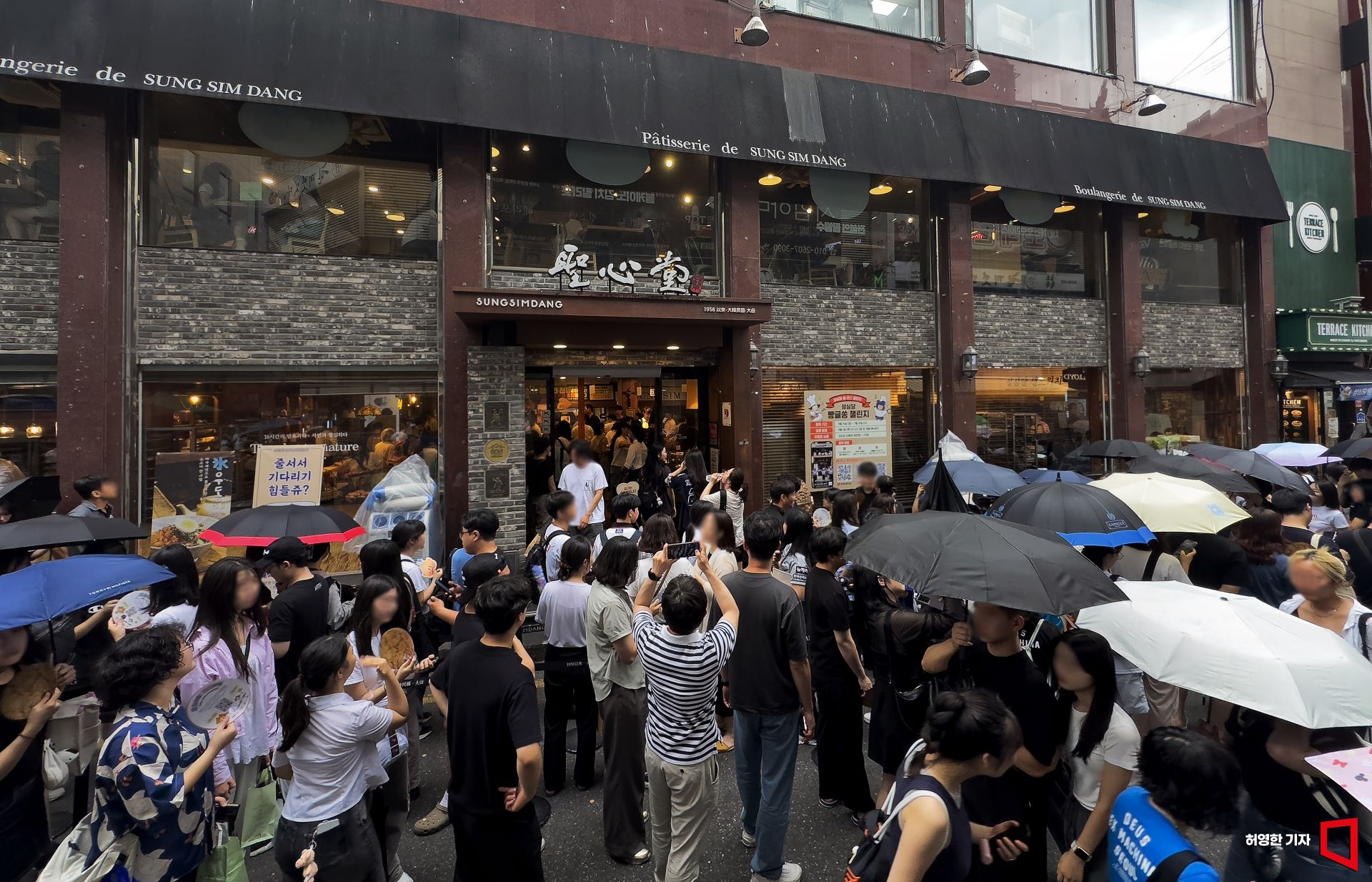
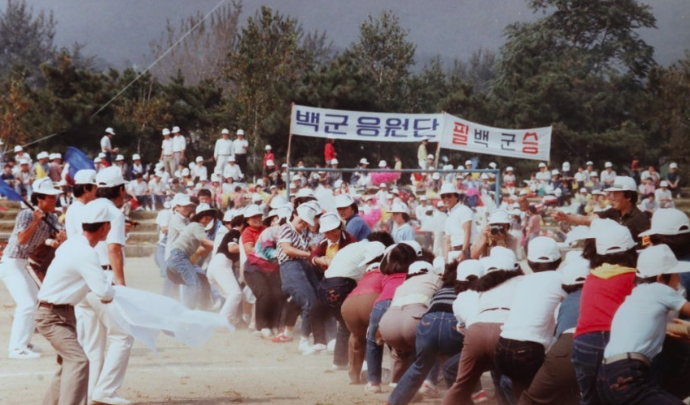
Sungsimdang, a famous bakery in Daejeon, announced a one-day closure for a company-wide sports day, sparking an unexpected debate online. Some praised the decision as "good welfare," while others criticized it as an "outdated practice." As the emphasis on work-life balance grows, the meaning of the once-common "company team-building event" is being revisited and discussed.
'Daejeon Landmark' Sungsimdang to Close All Stores for One Day on November 3
Sungsimdang Closes for a Day for Company Sports Day Good Welfare vs Outdated Practice Sparks Online Debate Reevaluating Team-Building Events Lost in the Work-Life Balance Era “Resting Is Welfare” vs “Playing Together Is Welfare” Different Perspectives
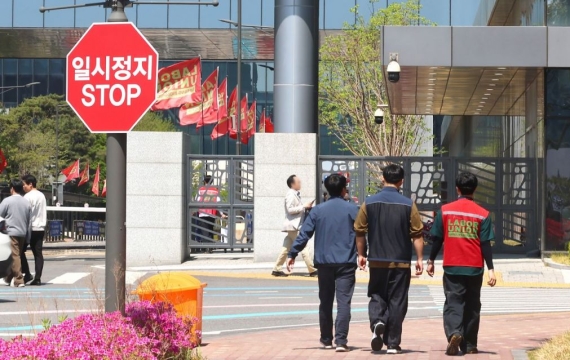
On October 20, Sungsimdang announced on its official website, "November 3 is the day of our annual 'One Family Sports Day,' when all employees come together as one," adding, "We will spend an energetic day and return with even brighter energy." The company notified customers in advance to prevent unnecessary visits, as the event will be held on a Monday, a weekday.
Following the announcement, messages of support poured in on online communities. Comments included, "Sungsimdang is closing for a day-shouldn't this be sent as a national emergency alert?" "Not only is their bread great, but their corporate culture is impressive," and "This kind of organizational culture is rare these days." Some even said, "It's essential for building company loyalty." A few office workers commented, "Sports days were tough, but looking back, they were good memories," and "I wish my company had a culture like this."
"Good Welfare Culture" vs "Resting Is Welfare"
Seongsimdang Temporary Closure Notice. Seongsimdang Official Website
However, doubts were also raised about the effectiveness of such team-building events. Comments included, "Employees would prefer just a day off rather than a sports day," "It's exhausting to have a sports day and then come to work the next day," "It's better welfare to distribute the money for the sports day as bonuses and let employees rest," and "What company still does sports days in this day and age?"
'52-Hour Workweek' and COVID-19 Lead to the Disappearance of Team-Building Events
Team-building events, once considered annual company traditions, have largely disappeared. Until the 2010s, company outings and sports days were taken for granted, and holding such events on weekends was considered normal. In some cases, even outside of official company events, supervisors would organize private weekend hikes or workshops, which were also common.
52-Hour Workweek System and Work Culture Changes After COVID-19 Weekend Team-Building Events Perceived as Workplace Harassment Generally Positive Evaluations for Weekday Work Hour Events “Better Than Work” - Notable Results from Blind Survey
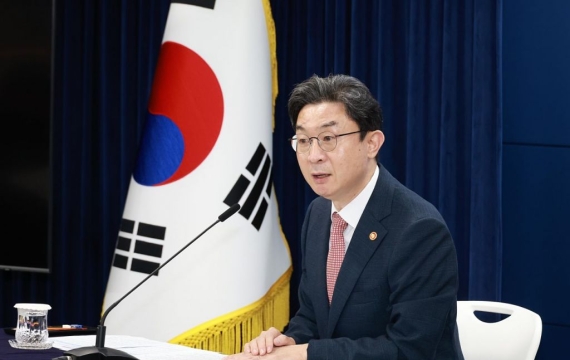
However, the atmosphere changed rapidly with the introduction of the 52-hour workweek system and the impact of COVID-19. Before the implementation of the 52-hour system, the government stated in guidelines released in June 2018 that workshops for socializing were generally not considered work hours.
According to the Ministry of Employment and Labor's "Criteria and Cases for Determining Work Hours" published at the time, workshops conducted under the direction and supervision of the employer can be recognized as work hours, and discussions or training sessions exceeding standard work hours may be considered overtime.
However, it was clearly stated that simple social gatherings or leisure activities were not considered work hours. As a result, weekend team-building events have almost disappeared, and supervisors' private weekend gatherings have become grounds for workplace harassment complaints.
"Weekdays Are Fine"... Most Agree with Team-Building Events During Work Hours
Office workers generally responded that holding team-building events during work hours, rather than on weekends, is better than regular work. On October 22, a quick survey posted on the office worker community Blind asked, "How would you feel about a company sports day (outing) on a weekday?" Of the 30 respondents, 63% chose "Even so, an outing is better than work." 23% said, "Just give us a day off!" and 13% answered, "It's necessary to boost company morale." Comments included, "If it's a sports day with no after-work dinner and we can leave on time, that's great," and "A paid sports day during the week sounds good."