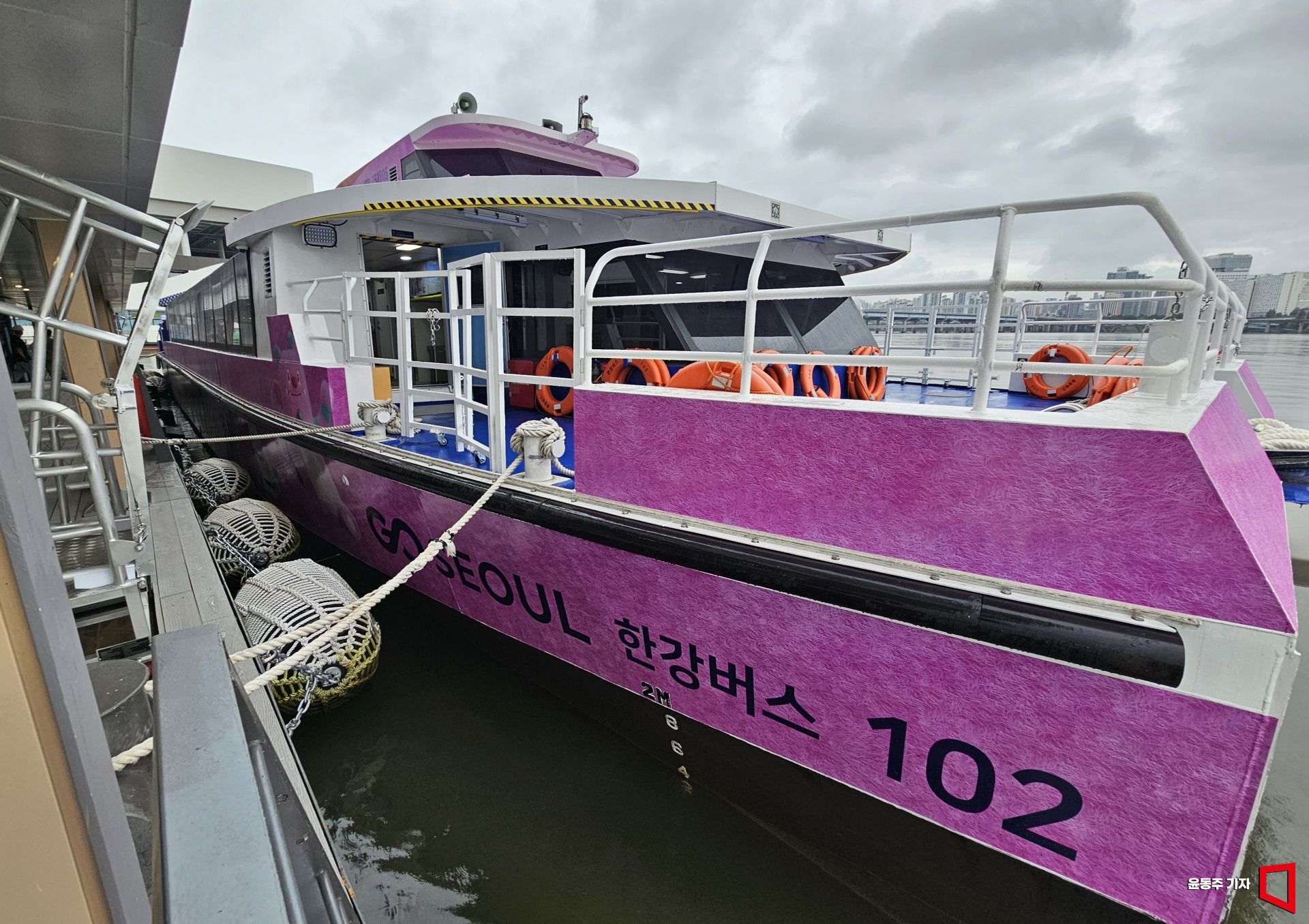
The upcoming 'Pilot Operation Without Passengers' is scheduled to operate a total of 14 times a day, with 7 round trips as before.
The Seoul Metropolitan Government has suspended the operation of the "Han River Bus" just ten days after its inaugural run. The reason is frequent malfunctions that emerged from the very beginning of its service. Mayor Oh Sehoon has called for proactive measures to ensure public safety.

Seoul Mayor Oh Sehoon rides the Hangang bus on the 18th to inspect its interior and exterior. Photo by Kim Youngwon
원본보기 아이콘Service Halted Due to Frequent Malfunctions From the Start
According to the Seoul Metropolitan Government on September 29, the city will suspend public boarding of the Han River Bus for one month starting today, switching to a "pilot operation without passengers" to enhance performance and stability.
On September 18, Seoul officially launched the eco-friendly Han River Bus on the Han River for the first time. However, complaints were reported on the very first day, including a toilet overflow. On September 20, heavy rain caused the discharge from the Paldang Dam to exceed 3,000 tons, leading to a suspension of operations. On September 22, an electrical system malfunction forced passengers to disembark mid-journey. On the same day, Bus No. 104 bound for Magok encountered issues during pre-departure checks, resulting in about an hour of attempted repairs before the trip was ultimately canceled.
Toilet Overflow on the First Day, First Departure at 11 a.m. ... Plagued by Numerous Issues

On the 17th, at the Han River Bus Terminal in Yeouido, Seoul, key attendees including Mayor Oh Sehoon are participating in the ribbon-cutting ceremony for the launch of the Han River Bus. Photo by Yoon Dongjoo
원본보기 아이콘Repeated Malfunctions Lead to Service Suspensions, Turnbacks, and Mid-Trip Disembarkations

On the 18th, when the Hangang Bus officially started operation, citizens were waiting to board at the Hangang Bus Jamsil Dock in Songpa-gu, Seoul. Photo by Yonhap News
원본보기 아이콘Six Months of Pre-Launch Testing ... Was It Done Properly?

On July 1st, when the Han River bus trial operation began, the Han River bus was running near Yeongdong Bridge in Seoul. Photo by Yonhap News
원본보기 아이콘On September 26, a rudder malfunction during operation blocked Han River Bus access in both directions. Once the rudder issue was identified, a decision was made to immediately turn back for safety reasons, and at 12:50 p.m., ten minutes later, all 70 passengers were disembarked at Magok Dock. At that time, the city refunded all passengers and carried out inspections and repairs on the vessel.
There have also been multiple complaints from citizens about engine noise. The Han River Bus uses a "hybrid system" powered by lithium-ion batteries and a diesel generator. While docking and undocking, the battery is the main power source, but during cruising, the diesel generator takes over. The generator is located at the stern, and when it operates after departure, it generates noise.
Seoul Switches to "Pilot Operation Without Passengers" ... Enhancing Performance and Stability
Ultimately, due to repeated service interruptions, the city has decided to conduct a pilot operation period. Mayor Oh has also discussed with on-site personnel the need for proactive safety measures before public concerns escalate.
Passenger Safety as the Top Priority ... Pilot Operation for Stable Service
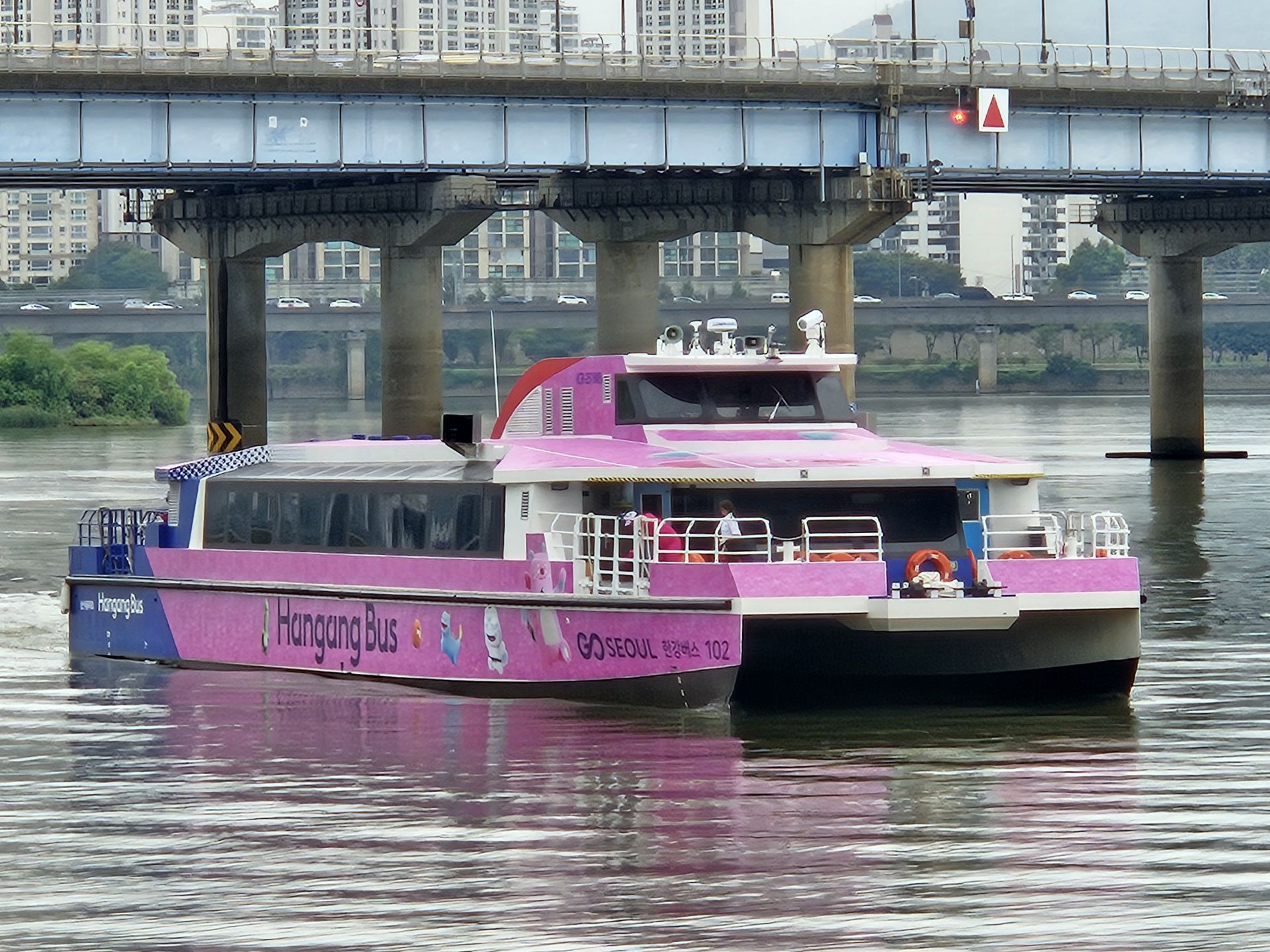
Through the pilot operation, Seoul city plans to improve operational quality and enhance the response level to various situations such as unexpected breakdowns and weather conditions.
After the pilot operation, the city plans to introduce additional hybrid and electric vessels to reduce intervals between departures and to move up the start time of operations. A Seoul city official explained, "Technical and electrical glitches, such as minor defects, occurred during the initial optimization process," adding, "Although immediate corrective actions were taken, we have decided to conduct a pilot operation period to prioritize passenger safety and ensure stable service in the long term." The city will refund 5,000 won to citizens who have already purchased season tickets. The refund process will be announced via the Tmoney website, mobile app, and individual text messages.
Oh Sehoon: "Measures to Ensure Public Safety" ... Announces Thorough Audit on Service Delays
Meanwhile, Seoul is planning an audit in response to delays in Han River Bus operations. On August 29, Mayor Oh announced at a Seoul Metropolitan Council session that a "thorough audit" was forthcoming.
The Han River Bus was originally scheduled to begin regular service in October last year, but vessel construction and delivery delays pushed the official launch to September this year. Mayor Oh addressed criticism that the construction was entrusted to an inexperienced startup, resulting in delays and soaring costs, stating, "(As the project was delayed,) staff probably wanted to change contractors midway," and, "If we changed contractors, the project would have taken even longer and cost more, so we had no other choice." He added, "At that time, it was a reasonable decision, but once this project is completed, we will conduct a thorough audit of the entire process. We will clearly identify who is responsible and how a problematic contractor was selected at that time."